
Get in Touch

Thermal comfort monitoring for commercial buildings

Temperature and humidity are the top drivers of workplace complaints. Measure them continuously across every occupied space, so you can keep people comfortable, cut the hot-and-cold calls, and prove it for certification.

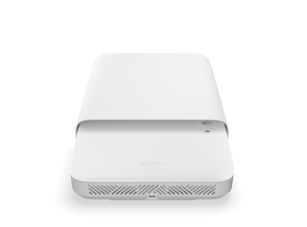
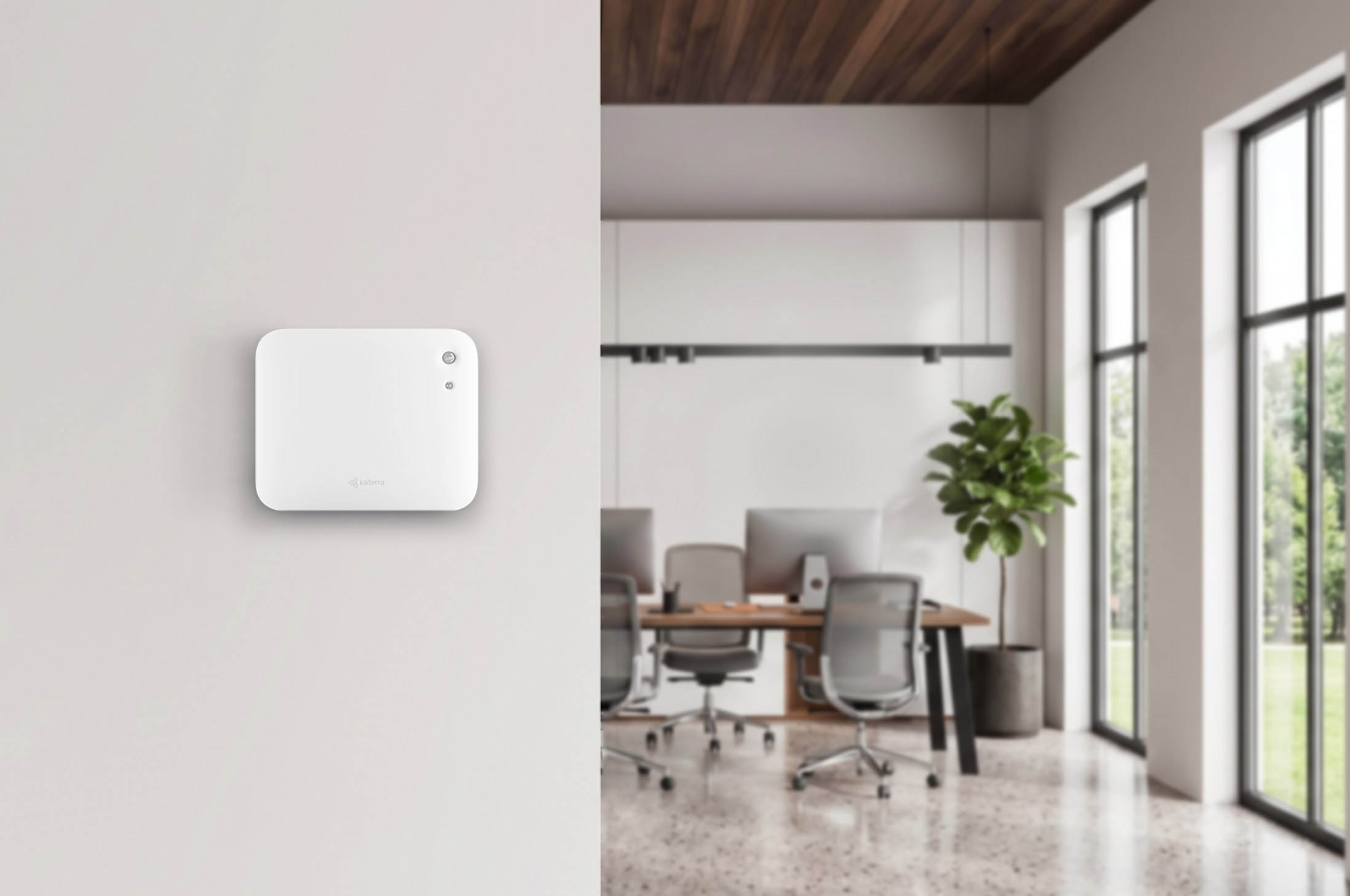
Thermal Comfort Pillar-670x900-New (2)

Trusted by companies measuring air quality at scale

1-Logo-Google
2-Logo-Meta
3-Logo-Apple
4-Logo-Microsoft
5-Logo-Linkedin
6-Logo-Salesforce
7-Logo-Deloitte
8-Logo-accenture
9-Logo-Okta
10-Logo-JPM
11-Logo-JLL
13-Logo-GSA
12-Logo-SFO
14-Logo-Gensler
15-Logo-SOM
16-Logo-ARUP

What is thermal comfort monitoring?

Thermal comfort monitoring is the continuous measurement of the conditions that determine whether people feel too hot or too cold indoors, mainly temperature and relative humidity. Continuous sensor data lets facility management teams keep occupied spaces in the comfort range defined by ASHRAE and WELL, respond to complaints with evidence, and verify performance over time instead of one-off spot checks.

why measure thermal comfort

Thermal comfort is the #1 facilities pain point and a drain on productivity

An HVAC setpoint does not guarantee comfort. Facilities teams lose hours to endless hot-and-cold complaints, while occupants lose productivity to the discomfort that drives them.

0
of employees say temperature gets in the way of doing their job

Graham, L. T. et al, Lessons Learned from 20 Years of CBE's Occupant Surveys

0
the range of preferred temperature between people, even in the same room
Wang, Z. et al, Individual Difference in Thermal Comfort: A Literature Review
0
average facilities time spent per hot and cold complaint
Federspiel, C. C., Predicting the Frequency and Cost of Hot and Cold Complaints in Buildings
The problem with temperature

The perfect temperature doesn't exist

Every office has a thermostat war, and no single set point will end it. Your building may hold its range perfectly and still leave half the floor reaching for a jacket, because comfort depends on the person and what they're doing in that moment. Here's how far apart our own team sits on the thermal comfort spectrum.

CEO Liam Bates
Engineering Mike Fischer
Sales Brantley Daniel
Marketing Joe Di Noto
Finance Teriy Dep-ay
Operations Jess Lam
Sales Nita Soans
Marketing Laura Lian
Temperature in most offices
Liam Bates CEO
Mike Fischer Engineering
Brantley Daniel Sales
Joe Di Noto Marketing
Teriy Dep-ay Finance
Jess Lam Operations
Nita Soans Sales
Laura Lian Marketing
Thermal Comfort Pillar-SEE it in action-739x812- new
SEE it in action

Real-time thermal comfort insight that guides your actions

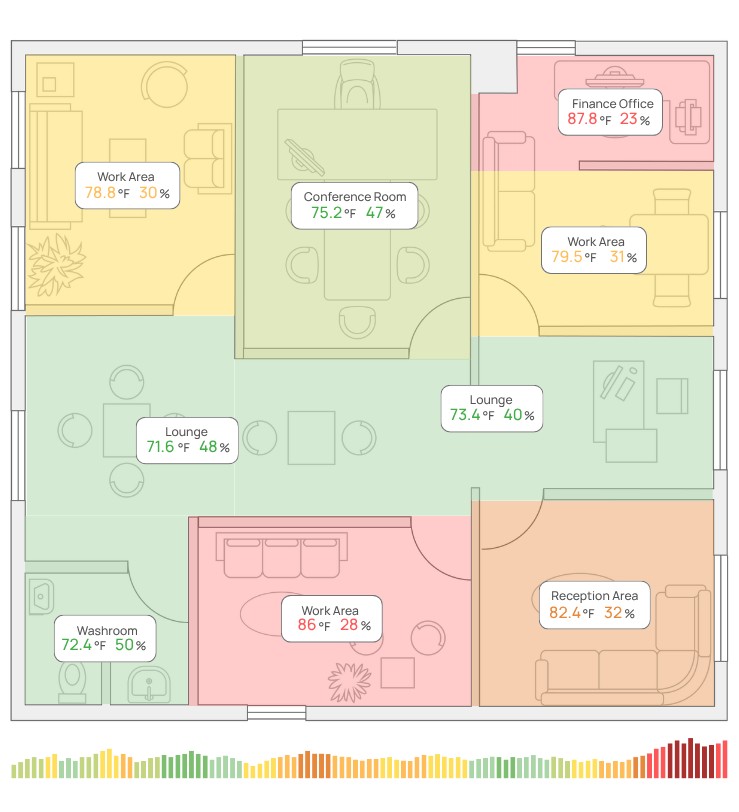
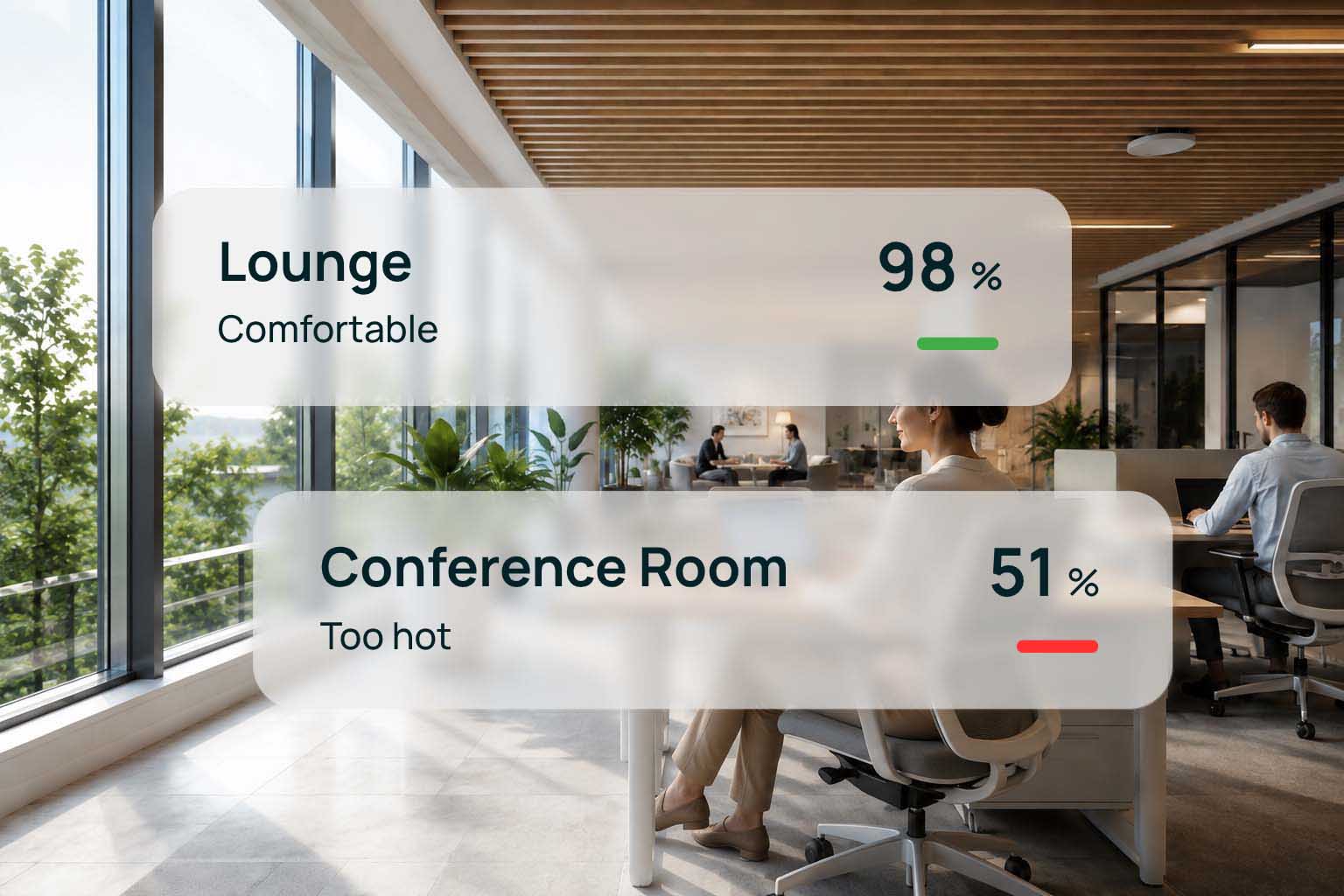
Kaiterra turns your temperature and humidity data into views you can actually use - an hourly heat map and thermal zones mapped onto your real floor plan - so a comfort problem is obvious at a glance.  

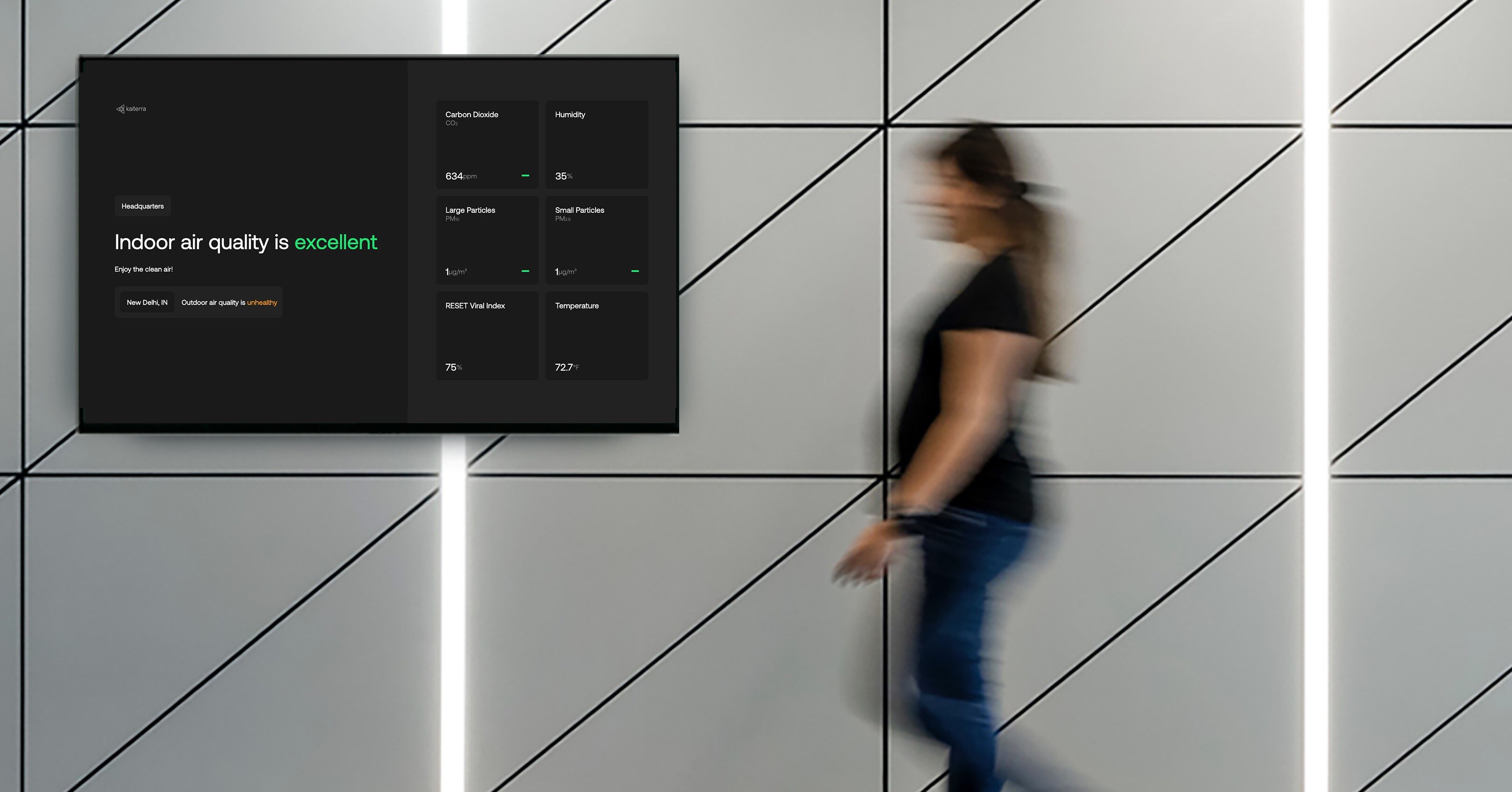
Implementing the right change has never been easier: tune HVAC schedules, adjust ventilation, catch a failing VAV box early, or share the live picture so occupants can choose where they're most comfortable.

You don't have to force your building to meet one set point

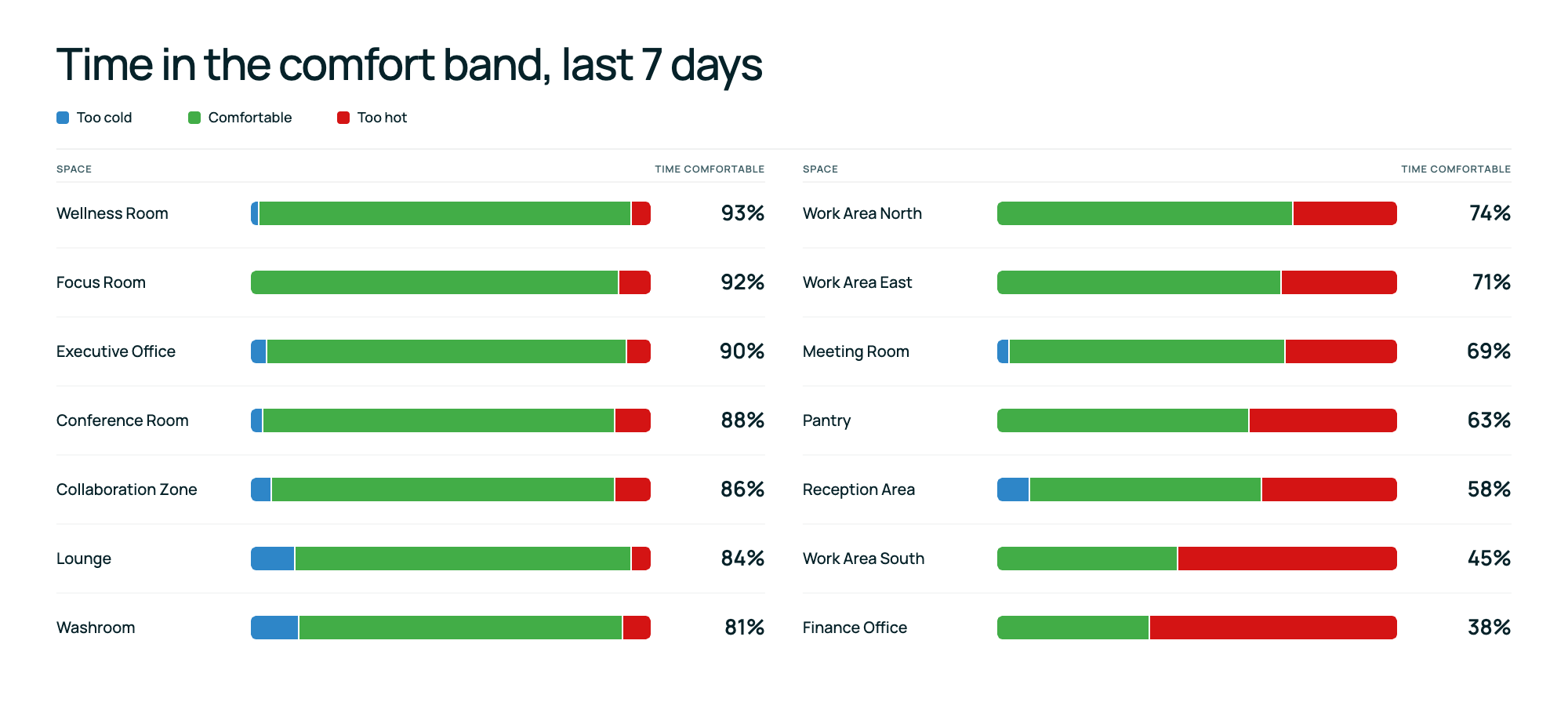
Sunlight, windows, vents, and occupancy all create a patchwork of microclimates on every floor. Kaiterra turns that patchwork into a live thermal map, so your team can see which zones drift and why, and everyone can choose to work where they're comfortable.
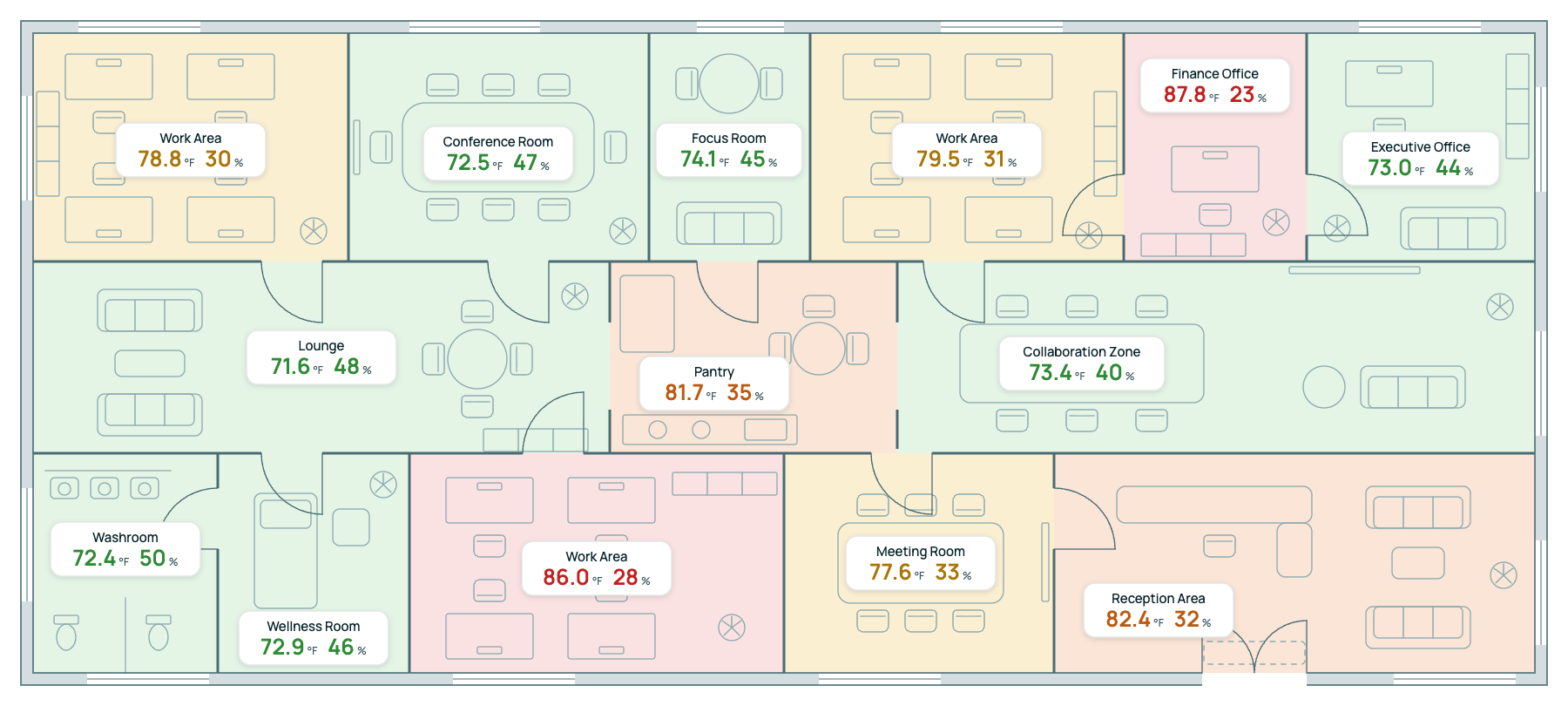
Floorplan — Temp & RH@1x
7-day comfort band by space@1x
Kiosk-240620

End the thermostat war for good

Encourage return-to-work-31
Fewer hot-and-cold complaints When people can find the space that suits their preferences, the tickets stop coming in, and productivity gains follow.
Icons time-21-21
Hours back for your facilities team No more walking the floor to chase a complaint. See which zone drifted, when, and why, so you can fix it before anyone calls.
Optimize Energy Usage-1
Higher comfort at a lower cost Stop over-conditioning to defend a set point nobody agrees on. Widen the band to the range people find genuinely comfortable.
The only BTL-certified air quality monitors
Continuous proof for certifications Meet WELL's Thermal Comfort requirements with the continuous temperature and humidity data you're already tracking.
Air Quality Pillar-The Three Types of Commercial Air Quality Monitors- 3

Not sure what's right for you?

Choosing an air quality monitor can be complicated, and relying on specs alone is the most common (and most expensive) mistake an IAQ project can make. Let us help you.
Read our IAQ monitor guide
why measure with Kaiterra

A monitoring platform, not a gadget on the wall

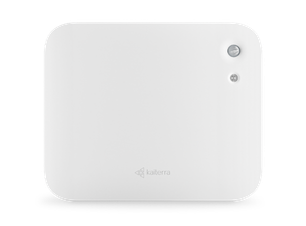
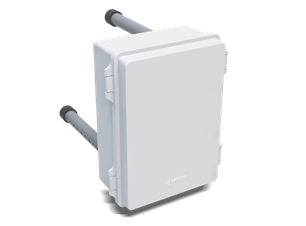
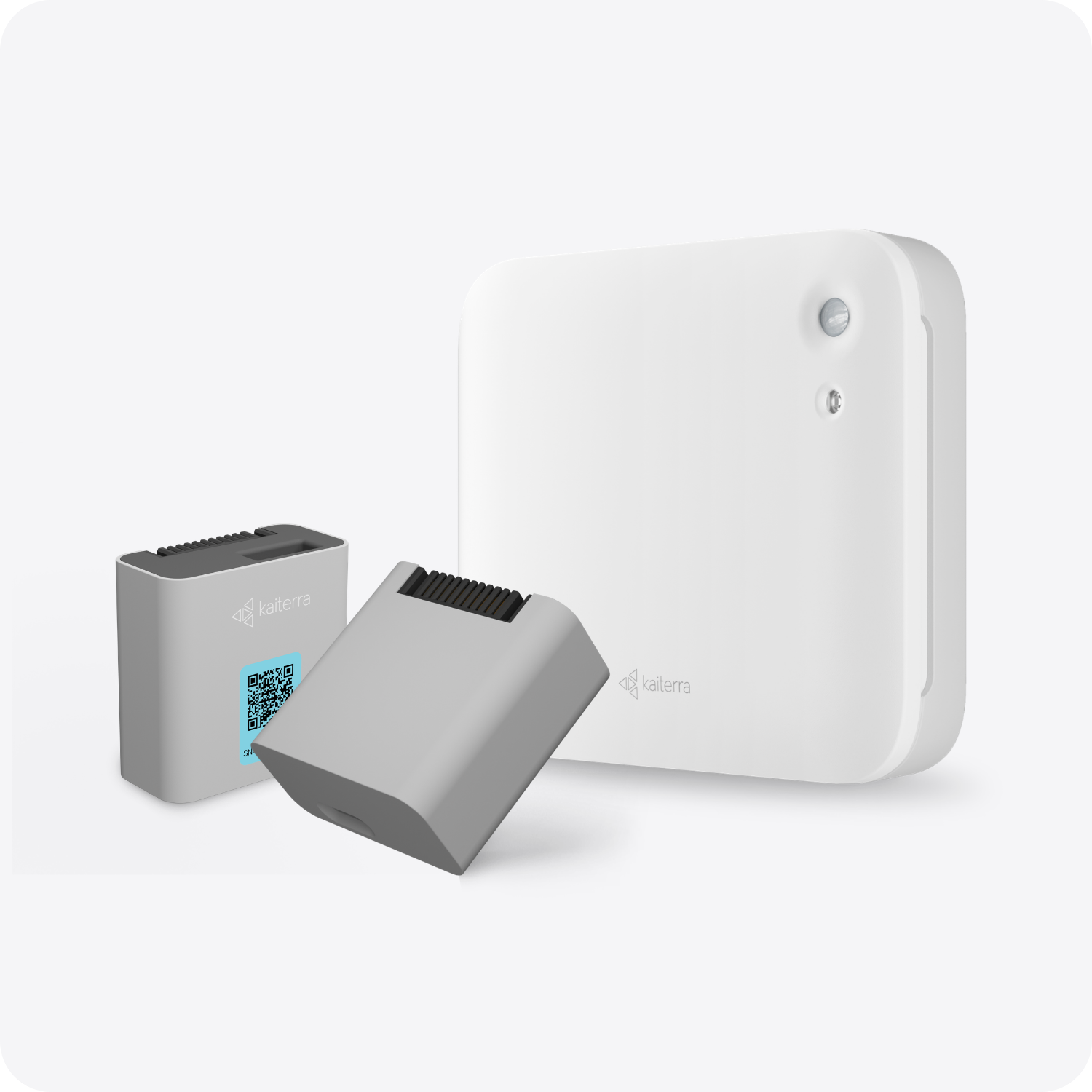
Featuring Kaiterra’s unique modular design, sensor modules of Kaiterra monitor can be swapped in seconds. This is a much more cost-effective way to keep your device accurate in the long run, without conducting the traditional calibration process.
Air Quality Pillar-why measure with Kaiterra-Accurate and calibrated-1

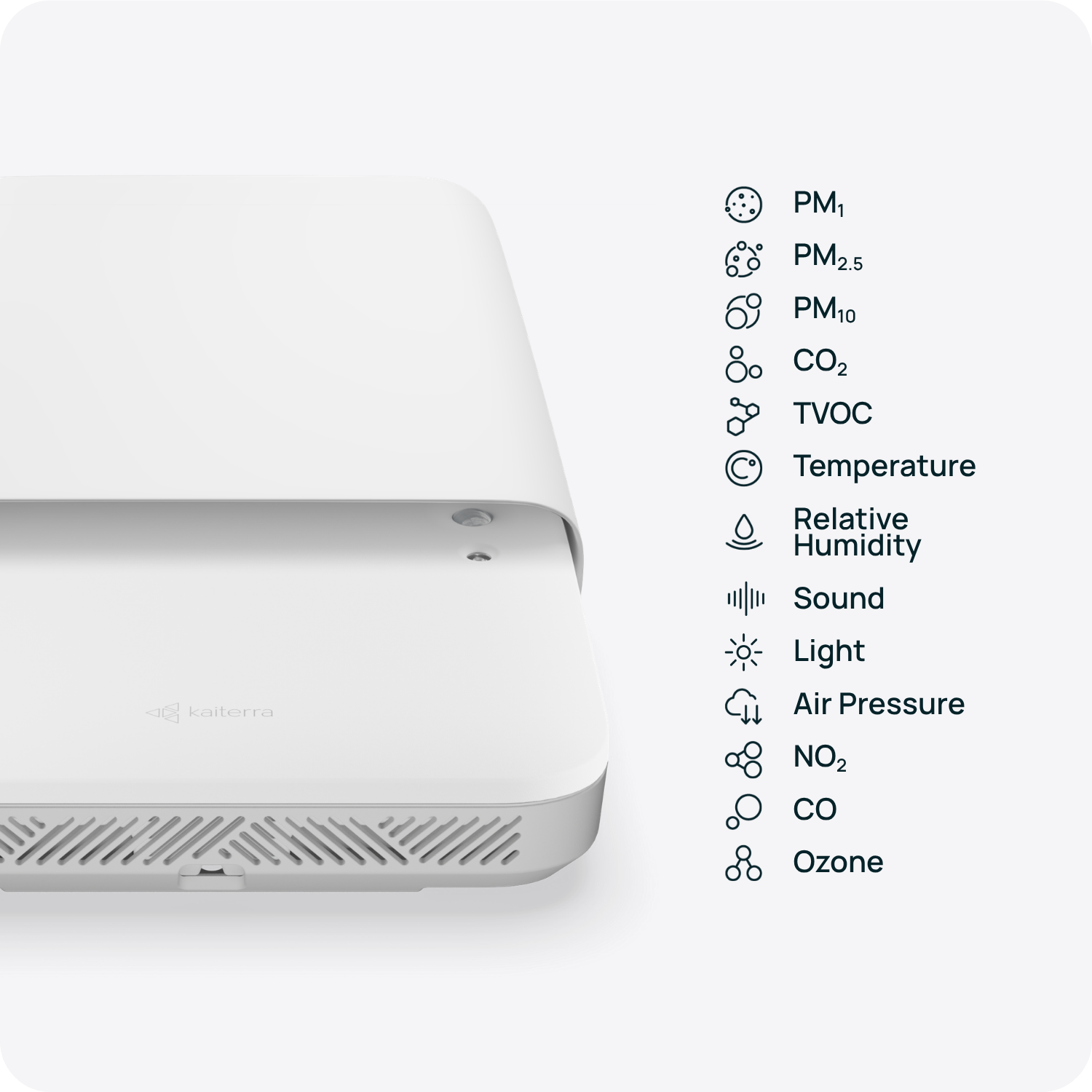
The modular design allows you to add or remove parameters easily, to stay compliant with evolving building needs and future legislative requirements.
Air Quality Pillar-why measure with Kaiterra-Accurate and calibrated- 3-1500x1500

RESET Grade B certified and part of the Works with WELL catalog - Kaiterra monitors align with all of the major certification requirements in market today.

Air Quality Pillar-why measure with Kaiterra-Accurate and calibrated- 2-1500x1500

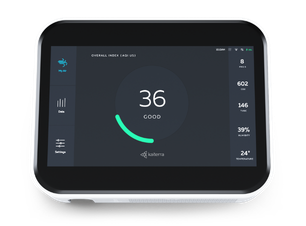
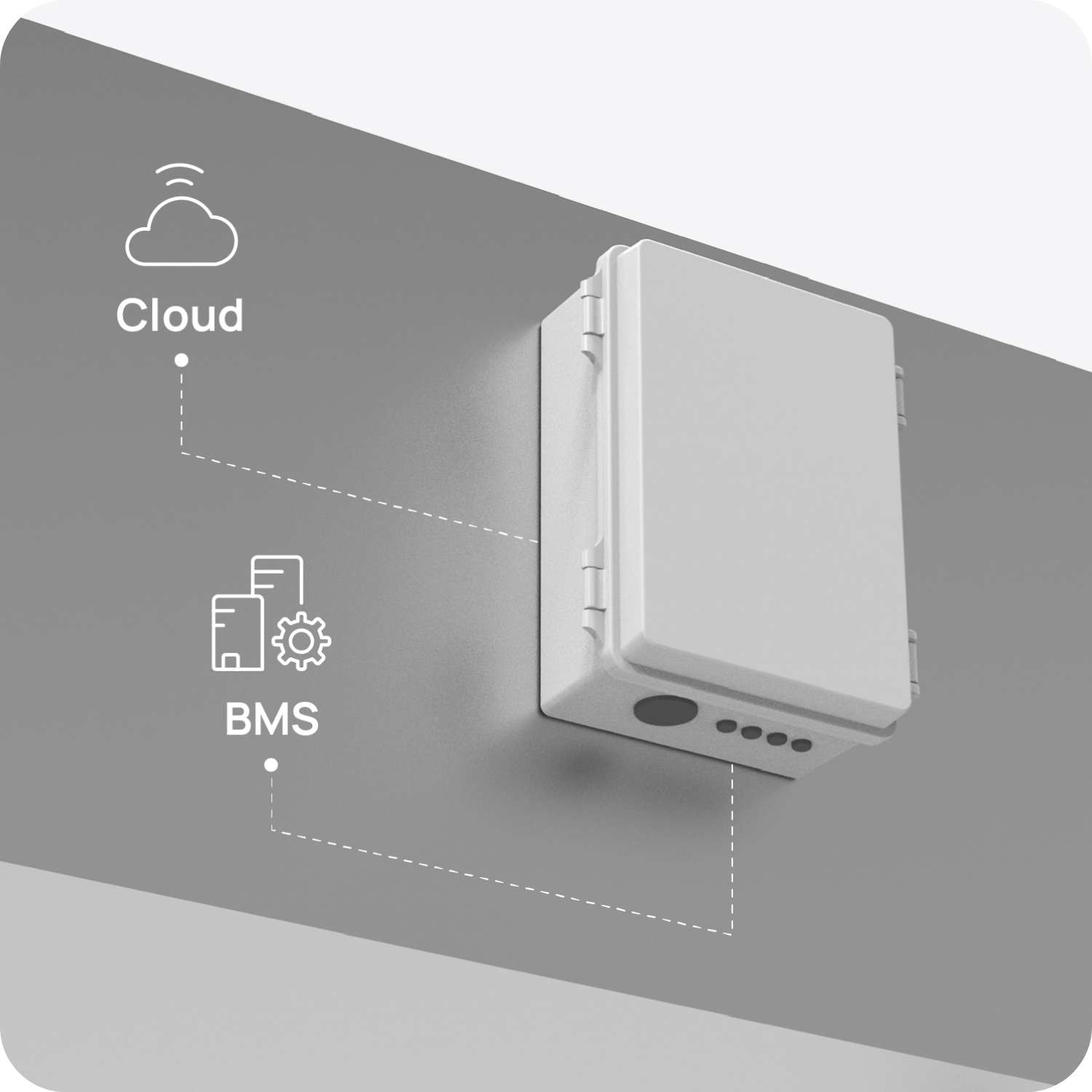
You don't have to choose between the cloud and your BMS. Kaiterra provides the only air quality monitors that are BTL-certified - so BMS integration over BACnet/IP, Modbus RTU, Open API, and MQTT actually holds up.
Air Quality Pillar-why measure with Kaiterra-Accurate and calibrated-4
Air Quality Pillar-why measure with Kaiterra-Accurate and calibrated-1 Air Quality Pillar-why measure with Kaiterra-Accurate and calibrated- 3-1500x1500 Air Quality Pillar-why measure with Kaiterra-Accurate and calibrated- 2-1500x1500 Air Quality Pillar-why measure with Kaiterra-Accurate and calibrated-4

Frequently asked questions

What is thermal comfort?

Thermal comfort is the condition of mind that expresses satisfaction with the thermal environment (ASHRAE 55). It depends on six factors: air temperature, mean radiant temperature, humidity, and air speed, plus each person's activity level and clothing.

What temperature and humidity levels are comfortable in an office?
Most offices sit comfortably around 20–26°C (68–79°F) with relative humidity between 30% and 60%, though the exact range shifts with season, clothing, and activity.
Can continuous monitoring earn WELL Thermal Comfort points?

Yes, projects can meet one precondition (T01 Thermal Performance) and up to two optimization points (T06 Thermal Comfort Monitoring and T07 Humidity Control) in the Thermal Comfort Concept in WELL. These features can be achieved with any Kaiterra device, which all meet WELL's hardware and continuous monitoring requirements. Learn more in our WELL Certification Solution.

Why continuously measure temperature and humidity? Isn't a thermometer or thermostat enough?

A thermometer gives you one reading, and a thermostat just holds HVAC to one setpoint from a single spot on the wall. Even sensors wired into a BMS mostly log raw numbers that sit there until someone goes looking for a problem. Most track temperature only, missing RH entirely, even though humidity affects comfort, mold and condensation risk, and respiratory irritation.

Kaiterra turns continuous temperature and humidity data into actionable insights, not just BMS data. You get the real conditions across every space, with trends and alerts that flag a struggling zone or creeping humidity before anyone complains, plus the documented record certifications like WELL, RESET, and LEED require.

How does thermal comfort affect productivity?

People work better when they're comfortable. Conditions that are too hot, cold, or humid hurt mood, health, and focus, driving up complaints and absences. Per the WELL Building Standard, employees perform on average 15% poorer in hot conditions and on average 14% poorer in cold conditions.

What is the ASHRAE 55 standard, and how does it relate to thermal comfort?

ASHRAE 55 is the globally recognized standard for thermal comfort indoors. It defines comfort as satisfaction with the thermal environment, using a PMV model to predict occupant satisfaction and set an acceptable comfort range. It's also the foundation many certifications like WELL, RESET, and LEED build on.

Get a headstart on your healthy building journey now.