
Get in Touch

Light monitoring for commercial buildings

Light does more than let people see. It sets the body clock that governs sleep, alertness, and mood. Kaiterra measures both how bright a space is and the spectrum of its light, so you can design for how people actually feel, not just whether they can see their desk.
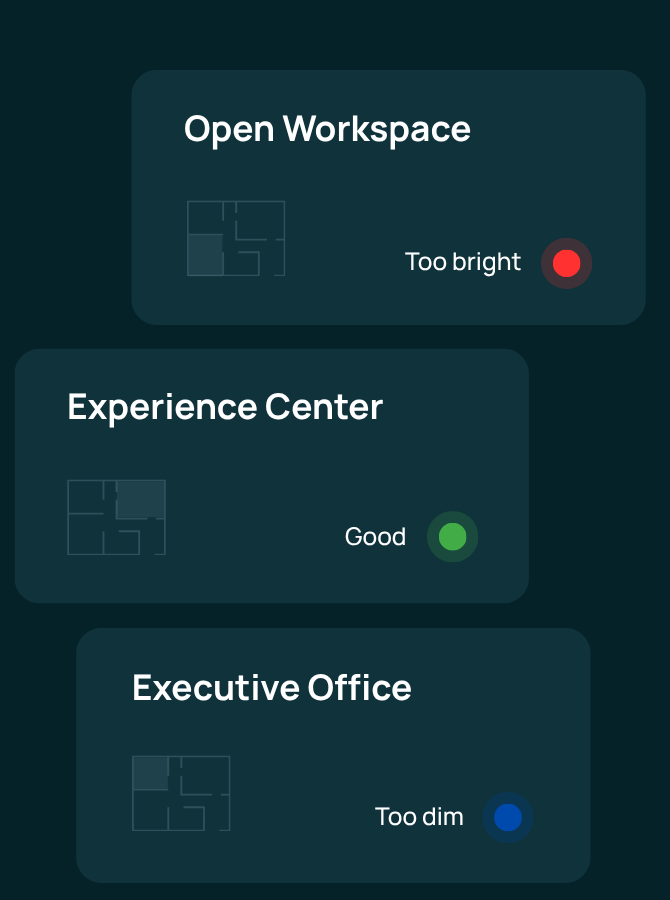
Light monitoring for commercial buildings- 670x900-1

Trusted by companies measuring air quality at scale

1-Logo-Google
2-Logo-Meta
3-Logo-Apple
4-Logo-Microsoft
5-Logo-Linkedin
6-Logo-Salesforce
7-Logo-Deloitte
8-Logo-accenture
9-Logo-Okta
10-Logo-JPM
11-Logo-JLL
13-Logo-GSA
12-Logo-SFO
14-Logo-Gensler
15-Logo-SOM
16-Logo-ARUP

What is light monitoring?

Light monitoring is the continuous measurement of the light in a space: both its intensity (illuminance, in lux) and its spectrum, the mix of wavelengths that determines color and biological effect. Two rooms can read the same lux but have opposite effects on occupants' circadian rhythms, all because of differences in the light's spectrum. Measuring both is how you know a space is bright enough to work in and healthy enough to spend the day in.
Why measure light

Light shapes how people see, sleep, and perform

Most buildings light every space to one uniform brightness target and stop there. Optimizing light for health, well-being, and performance requires a more nuanced approach.

Light-Visual
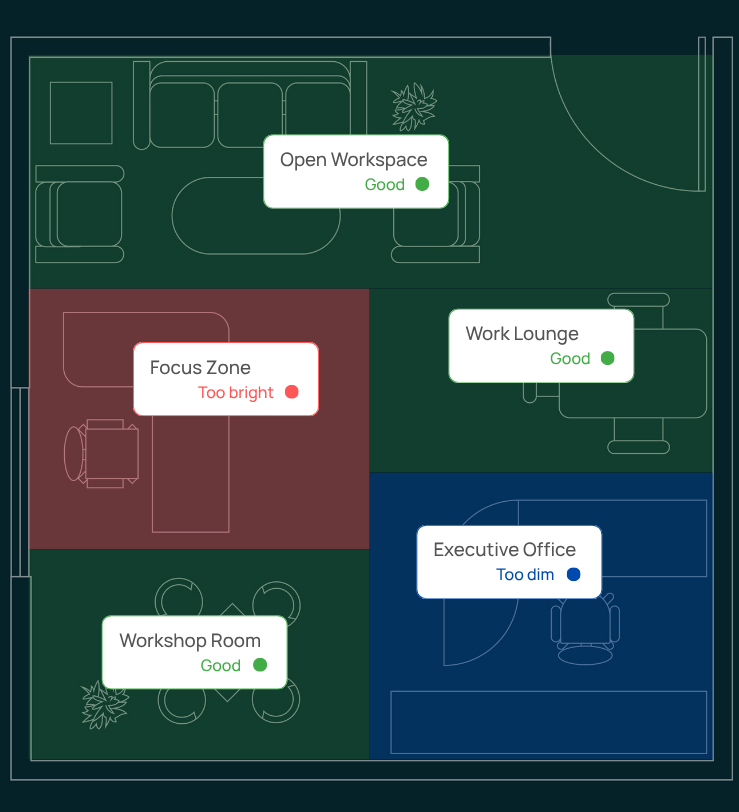
The right light, in the right places A hallway, a desk, and a conference room don't all need the same brightness. Light every space to a single target, and some areas end up too dim to work in, others too bright to focus in, and some lit for no reason at all.
Light-Circadian Clock
Circadian clock Light is the main cue keeping the body's ~24-hour rhythm in sync, driving the sleep-wake cycle and hormones like melatonin and cortisol. Chronic disruption is linked to poor sleep and low mood.
Light-Mood and cognition
Mood and cognition Exposure to daylight is tied to better mood, fewer depression symptoms, and sharper thinking. Get light right and you're supporting well-being, not just visibility.
Parameters

Brightness is only half the story. Kaiterra captures the full spectrum.

An illuminance (lux) reading tells you how bright a space is, but it says nothing about the light's biological effect. Kaiterra also measures the light spectrum, the warm-versus-blue balance that determines how the light affects your well-being.

Through a lux meter Illuminance only
2,000 lux
Through Kaiterra Illuminance + color temperature
2,000 lux
Light-Real-time thermal comfort insight that guides your actions-4

Light data you can act on

Kaiterra turns continuous light data into a clear path for action. Know which rooms are poorly lit, which are wasting light, and which have glare or flicker problems, then watch how lighting in your space changes over time.
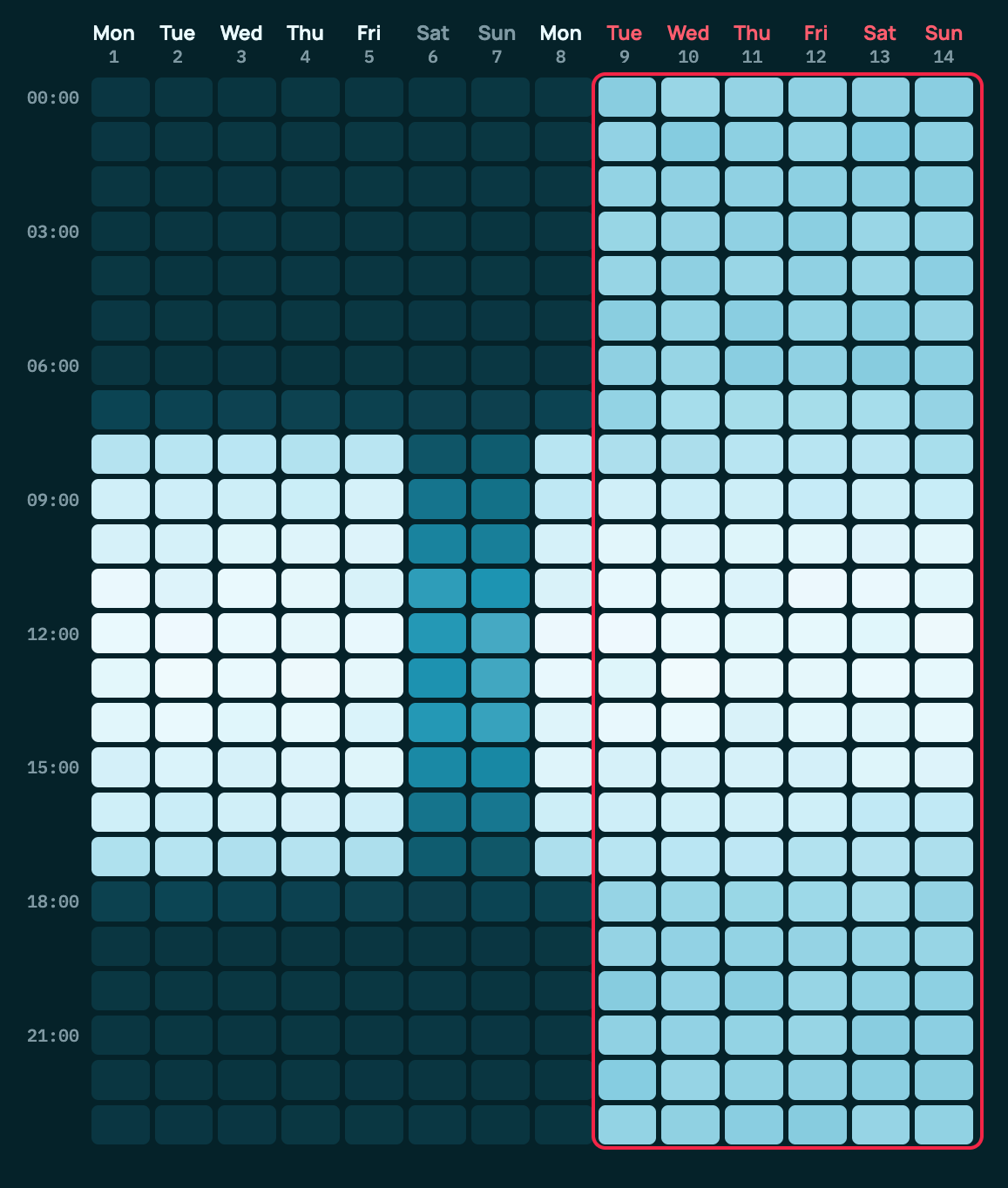
Light time heatmap

Find the lights nobody turned off

Timers drift, overrides get left on, and someone always forgets. Continuous light monitoring shows which rooms are still lit after hours, so a recurring miss becomes something you can fix, not just pay for.

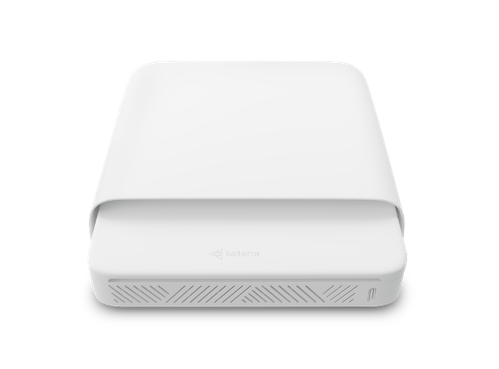
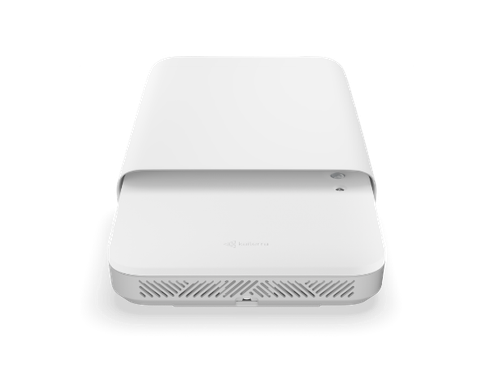
Monitor light with the Sensedge Go
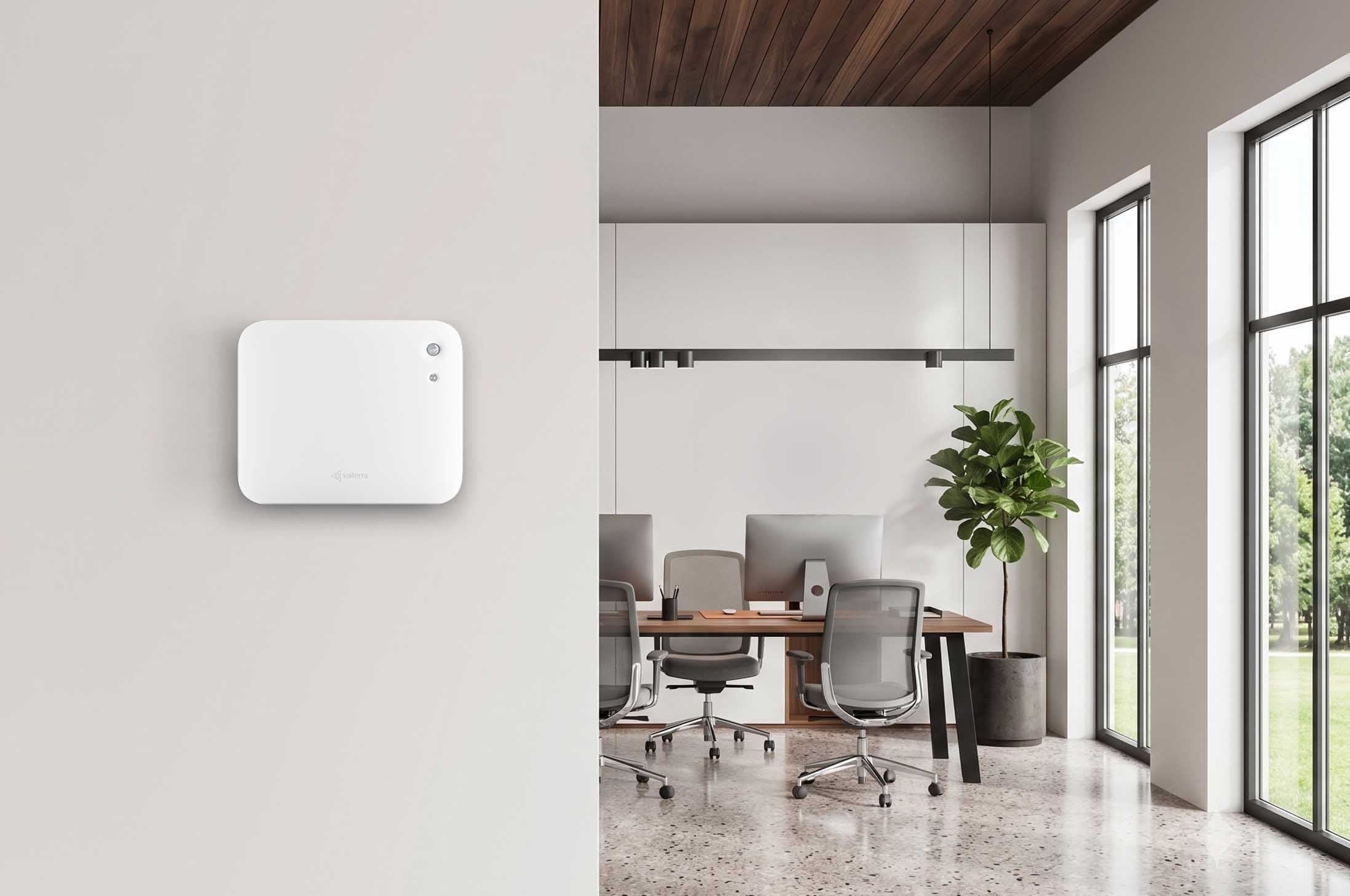
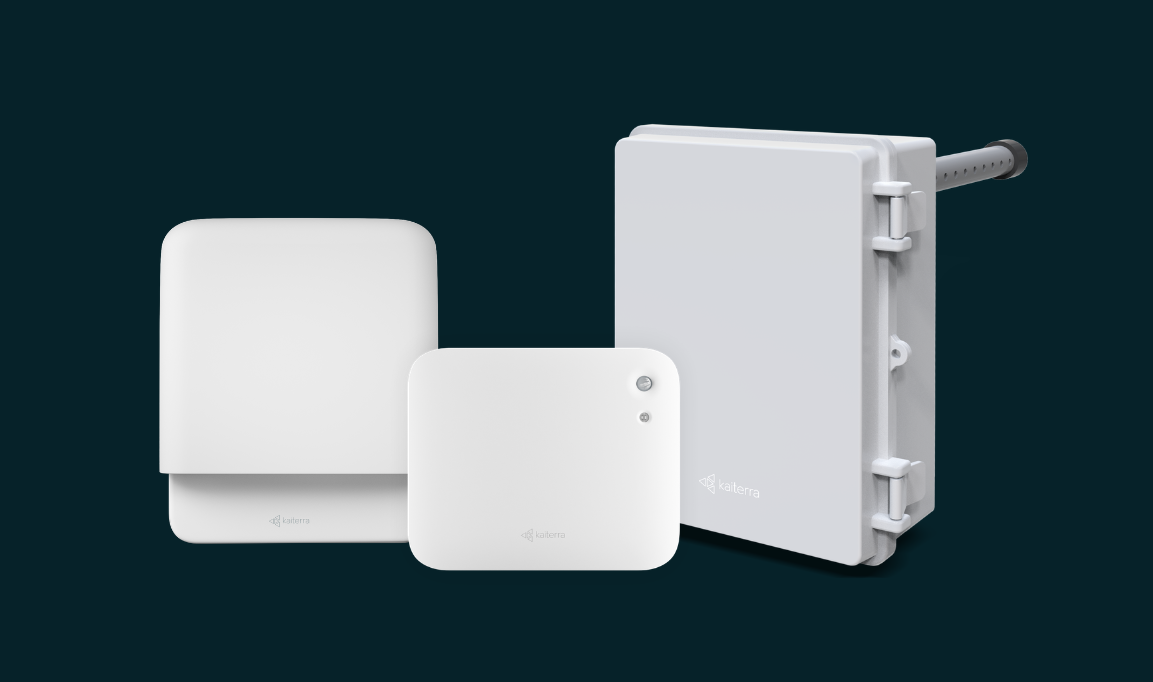
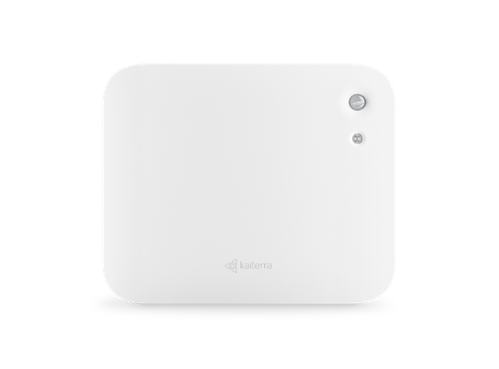
Light monitoring capabilities are included in the Sensedge Go, our peel-and-stick wireless monitor, with up to 8 years of battery life. Ideal for retrofits and flexible workplaces.
Monitor light with the Sensedge go

Frequently asked questions

How does light affect health and productivity?

Light is the main cue that keeps the body clock in sync. Enough of the right daytime light supports alertness, mood, and sleep. Too little (or too much blue light at the wrong time) does the opposite. Poor lighting is also linked to eye strain and headaches, and studies tie better light to measurable gains in comfort and productivity.

What's considered good office lighting?

Two things at once: enough task illuminance (commonly ~300–500 lux) to see and work comfortably, and enough circadian-effective daytime light (WELL calls for a minimum of 136 melanopic EDI at the eye) to support the body clock while keeping evening light low.

Which Kaiterra monitor measures light?

The Sensedge Go captures light (illuminance and spectrum) alongside air quality, thermal comfort, and sound data, so a single wireless device covers all four senses in each space.

Can light monitoring support WELL certification?

While there is no sensor data pathway available for the Light concept in WELL, projects that measure light continuously can submit a proposal to earn an innovation point. Our customer success team can work with your project on the proposal.

Isn't a lux (brightness) reading enough?

Lux tells you whether a space is bright enough to work in, but brightness alone doesn't determine how light affects your body. Two spaces can read identically on a lux meter and still leave people feeling alert in one and drowsy in the other. That gap is due to differences in light spectrum, not brightness. Getting the full picture means measuring both.

Get a headstart on your healthy building journey now.