Sound monitoring for commercial buildings
Sound directly shapes how comfortable a space feels and how well employees perform, yet most buildings never measure it. Kaiterra continuously tracks how loud a space is, how much it varies, and what's driving it, so you can deliver acoustic comfort to support your team's focus and well-being.
Trusted by companies measuring air quality at scale

What is sound monitoring?
Sound monitoring is the continuous measurement of a space's acoustic environment - not just how loud it is, but how much the level varies and what frequencies make it up. It shows facility and workplace teams whether a space actually delivers the acoustic comfort it was designed for, in real time.why sound matters
Noise is the #1 office complaint, and yet the least measured
Parkinson et al., Buildings & Cities, 2023. 62,360 occupants, 617 office buildings.
measuring sound
There's no right or wrong number, only the right sound for the job
Sound isn't like an air quality pollutant with a universal "good" level, or a precise HVAC set point. The right acoustic profile depends on what the space is for, so there's no fixed threshold - only a purpose to measure against.
Quiet & steady
Made for focus
Lively & steady
Made for collaboration
A one-time acoustic survey proves a space sounds right the day it's built, while continuous monitoring analyzes every day for the entire year, so you know each space still fits its purpose after occupants move in.
Three key factors that define acoustic comfort, measured continuously
See it live
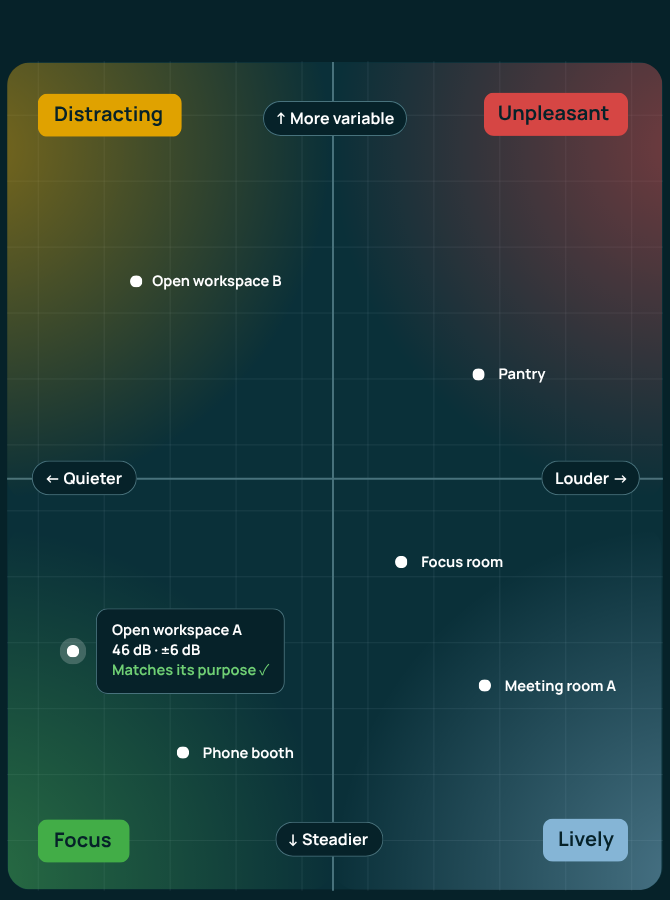
Four acoustic zones, one sound gradient map
Every space falls into one of four acoustic profiles based on how loud it is and how much sound varies. The right profile depends on the space: a cafeteria should be lively, while a focus room should be quiet, and both should keep a steady level.
Kaiterra maps this across your floor plan, so you can see which areas match their purpose and which don't.
Engineered for privacy at every level
Security is the cornerstone of every Kaiterra sensor, and sound is no exception. We build privacy in from the ground up so you get the insight without the exposure.
The sensor only listens for a tiny fraction of each second, and that timing is set by physical components - not software. It can't be reprogrammed to listen longer.
Sampled fragments are converted to aggregated numbers on the sound sensor module. No audio ever leaves it - only levels and frequency bands.
The sensor's firmware can't be changed after it's made. There's no back door from the rest of the device into what it captures.
The same encryption, device certificates, and security practices already documented for every Kaiterra product and on our security page.
Engineered for privacy at every level
Security is the cornerstone of every Kaiterra sensor, and sound is no exception. We build privacy in from the ground up so you get the insight without the exposure.
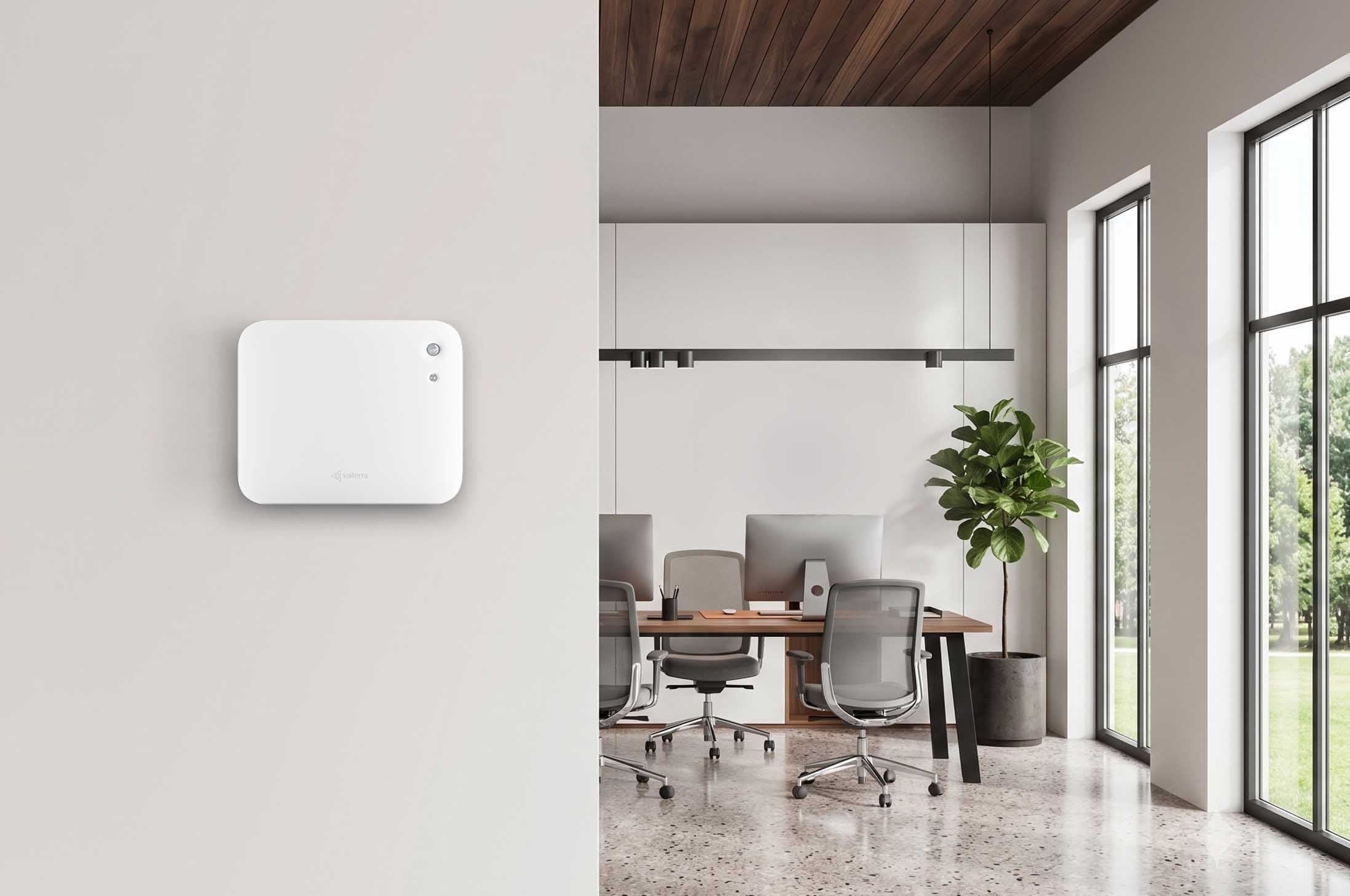
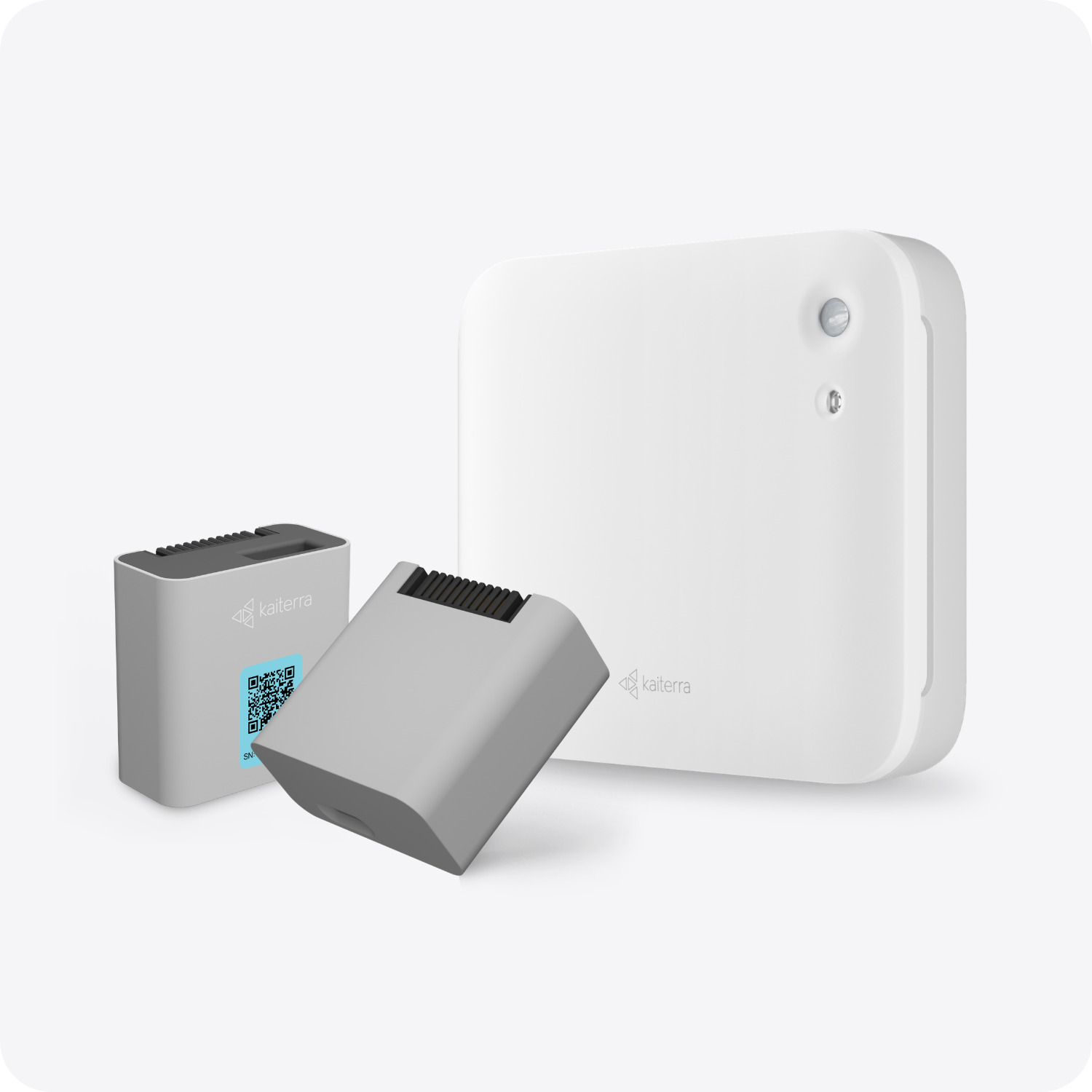
Monitor sound with the Sensedge Go
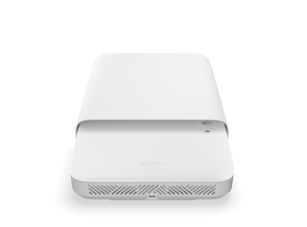
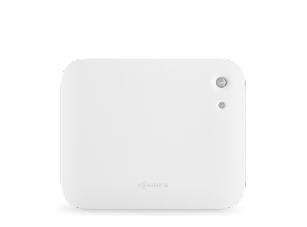
Add sound to the Sensedge Go so you can continuously track acoustic performance right alongside air quality, thermal comfort, and light. Installs in under a minute, runs up to 8 years on battery.
Get a continuous acoustic picture
Kaiterra's sound sensor captures level, variability, and frequency, giving you the full picture of whether a space is acoustically comfortable, not one number you can't act on.
A one-time acoustic survey before moving in is precise but unrepresentative. Continuous data of weeks, months, or even years show how a space actually sounds all day, every day.
The only sound sensor on the market that's taken the necessary measures to keep it from becoming a security risk. Multiple layers of hardening rules, from hardware, to firmware, to software, to make sure your privacy is protected.

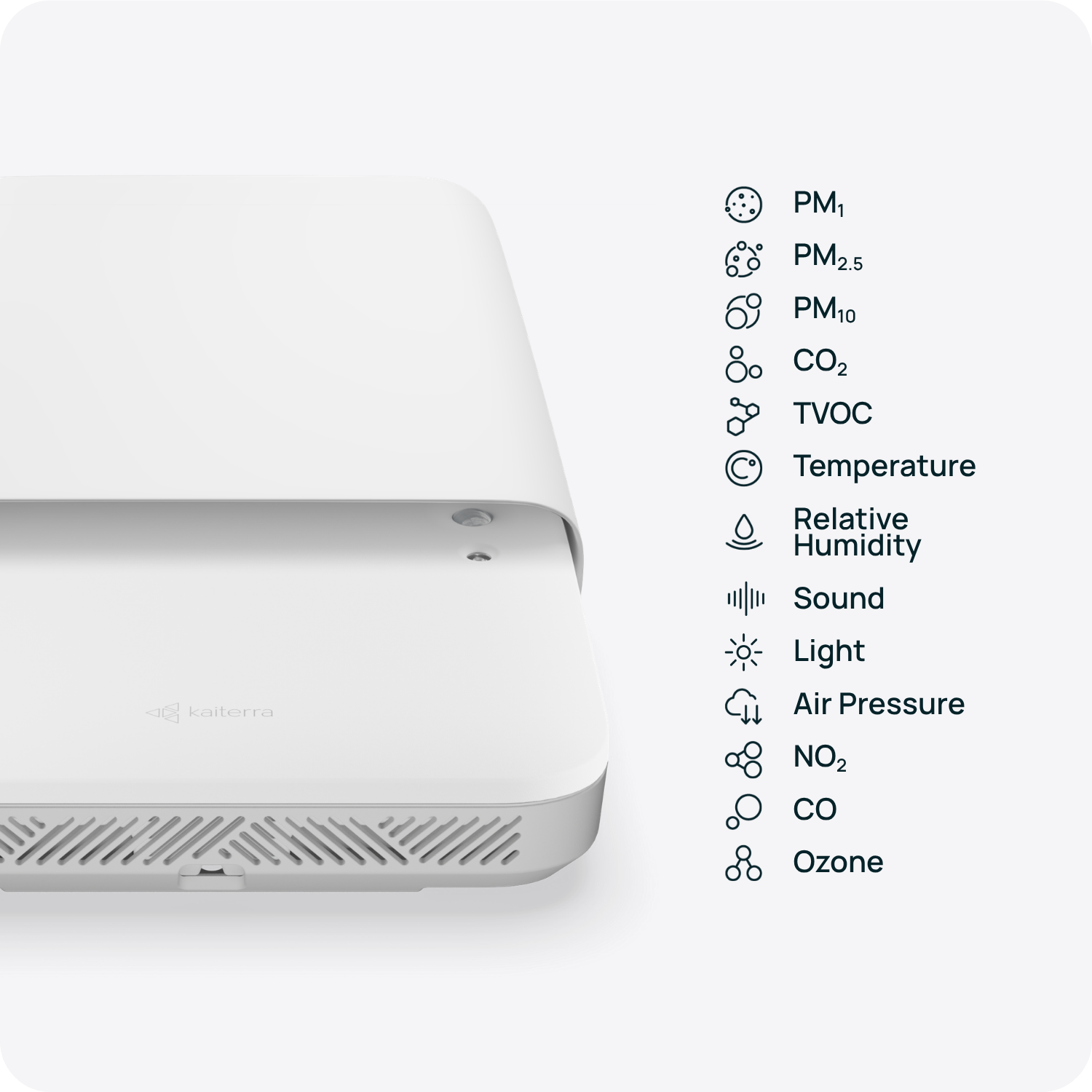
Sound sits alongside air, thermal, and light on the same data platform, giving you one unified system to monitor the entire indoor environment.
A monitoring platform, not a gadget on the wall
Getting an air quality monitor on the wall is just the first step. Getting data you can trust for years, integrate with your building, and defend in a certification audit — that's the difference between an off-the-shelf sensor and the Kaiterra platform.
Frequently asked questions
Anything that measures sound has to use a microphone, and any vendor claiming otherwise isn't being transparent. Kaiterra is upfront about it: yes, it has a microphone. But each sample lasts a fraction of a second, is converted into aggregated numbers on the device, and is discarded immediately after. Nothing raw is ever stored or leaves the sensor, only sound levels and frequency data.
Three parameters, continuously: how loud the space is (the energy-average level plus peaks), how much the level varies (the spread between the louder moments and the quiet baseline), and the frequency mix (to identify what's driving the noise - HVAC, conversation, traffic, equipment).
Over a short window it can miss brief events, but sampling a fraction of every second, continuously, over days and weeks builds an accurate, representative picture of how a space actually sounds. Every unit is also calibrated in production to keep those long-run readings accurate.
The Sensedge Go, via its add-on sound sensor. The same wireless, battery-powered device that measures air quality, thermal comfort, and light.
More on sound monitoring and acoustic comfort

Learn how office noise impacts productivity, which office layouts are most problematic, and what companies can do to lower the impact of noise on their employees.

Learn what acoustic comfort is, the factors that shape it, and how continuous sound monitoring can help you improve it across your workplace.
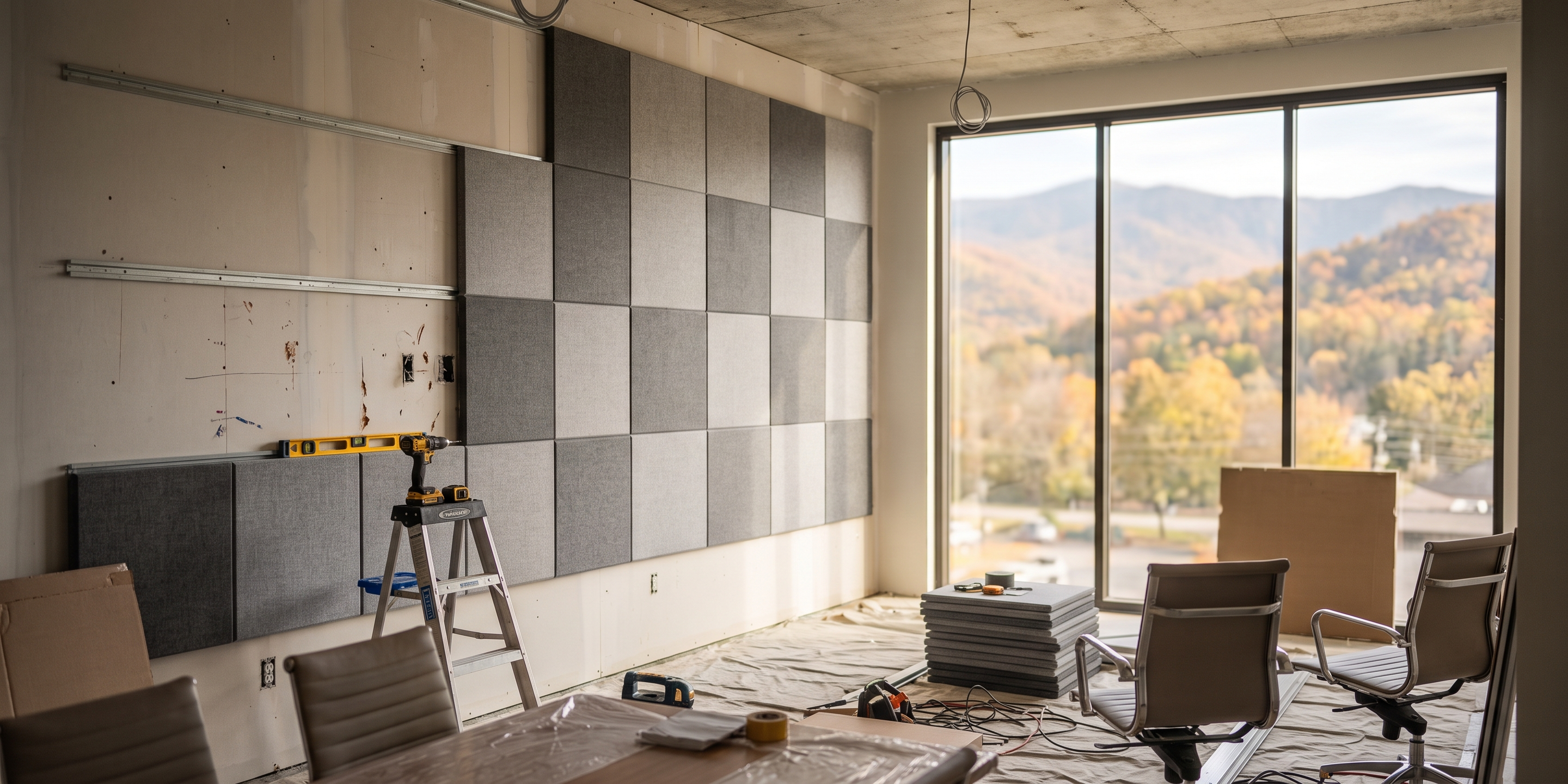
Learn the difference between sound masking vs. absorption, why you should measure sound first, and how to achieve acoustic comfort in your office.