IEQ monitoring for existing buildings
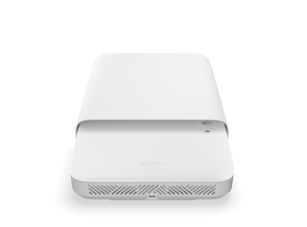
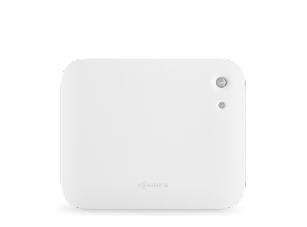
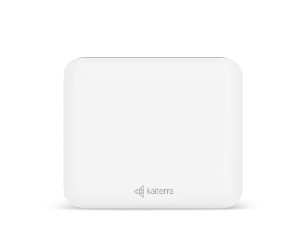
Add indoor environmental quality monitoring to a building that’s already occupied - no cable pulls, no drilling, no IT project. Wireless monitors you peel and stick to the wall, running up to eight years on a battery, talking to a gateway you can put on cellular.
Trusted by companies measuring air quality at scale

How do you add IEQ sensors to an existing building?
Use wireless, battery-powered monitors. Peel and stick mount, with no cabling or drilling, to minimize disruption to building operations. Send data over LoRaWAN to a gateway, and put the gateway on cellular - the whole system needs no IT approval at all and can get online in a day.Four questions to ask before monitors go into an occupied building
Get them right and it’s an afternoon’s work. Get them wrong and it’s a construction project and endless maintenance.
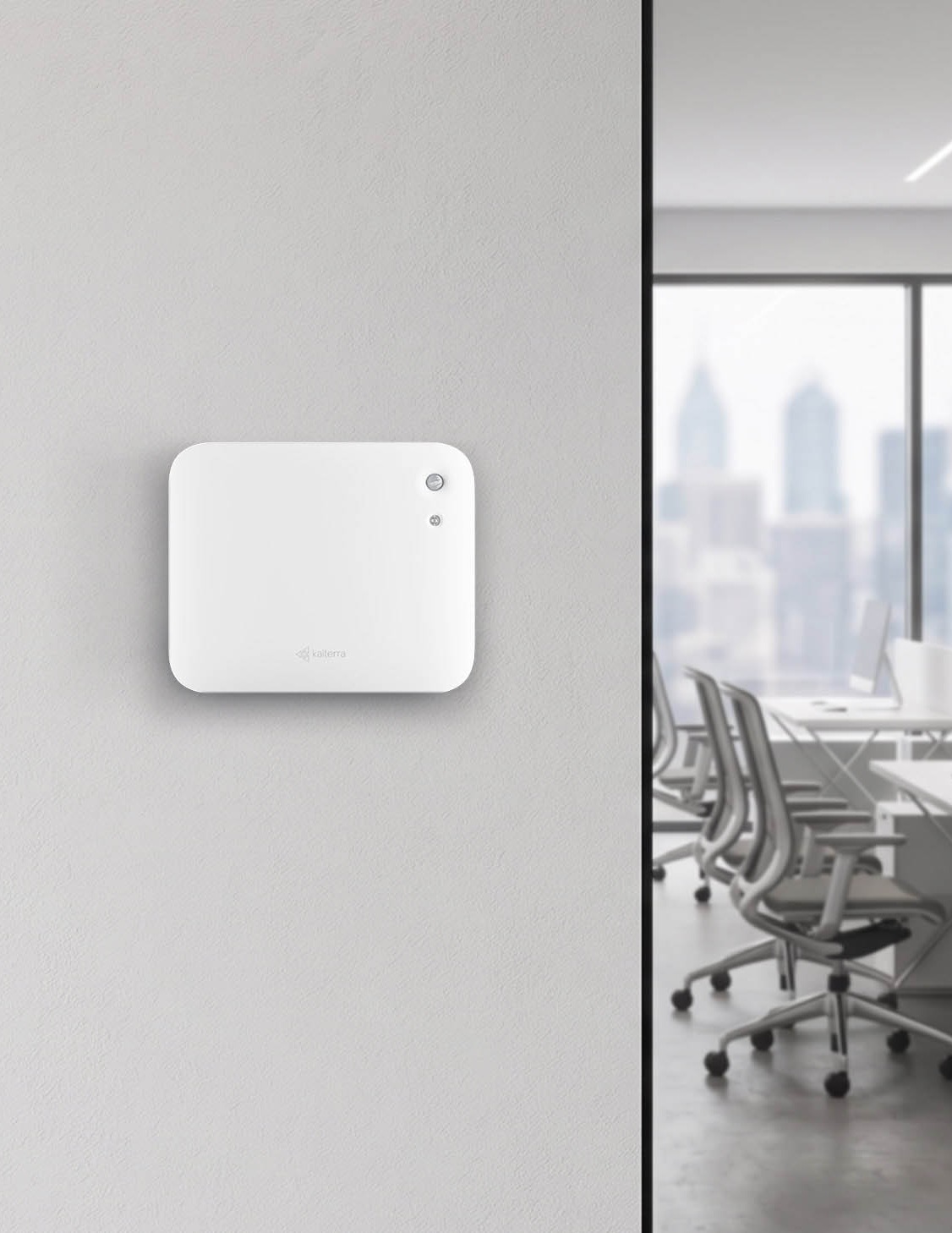
In an occupied workplace, every hole means noise, dust, ladders, approvals, and tenant disruption. Peel-and-stick monitors go up in minutes - no drilling, no nails, no weekend access.
A monitor next to an outlet is easy to install and easy to unplug. Skip the dangling cable and use battery power instead. Cleaner walls, better placement, nothing for cleaners to knock loose.
Battery-powered sounds simple, until battery changes become a yearly facilities task. Choose a monitor built to last for years, so you don't sign yourself up for another maintenance nightmare.
In an occupied building, you want the data sooner than later, but IT approval can be a bottleneck. Use a cellular-connected gateway and keep the monitors off the corporate network entirely.
Set up in minutes and stay up for years
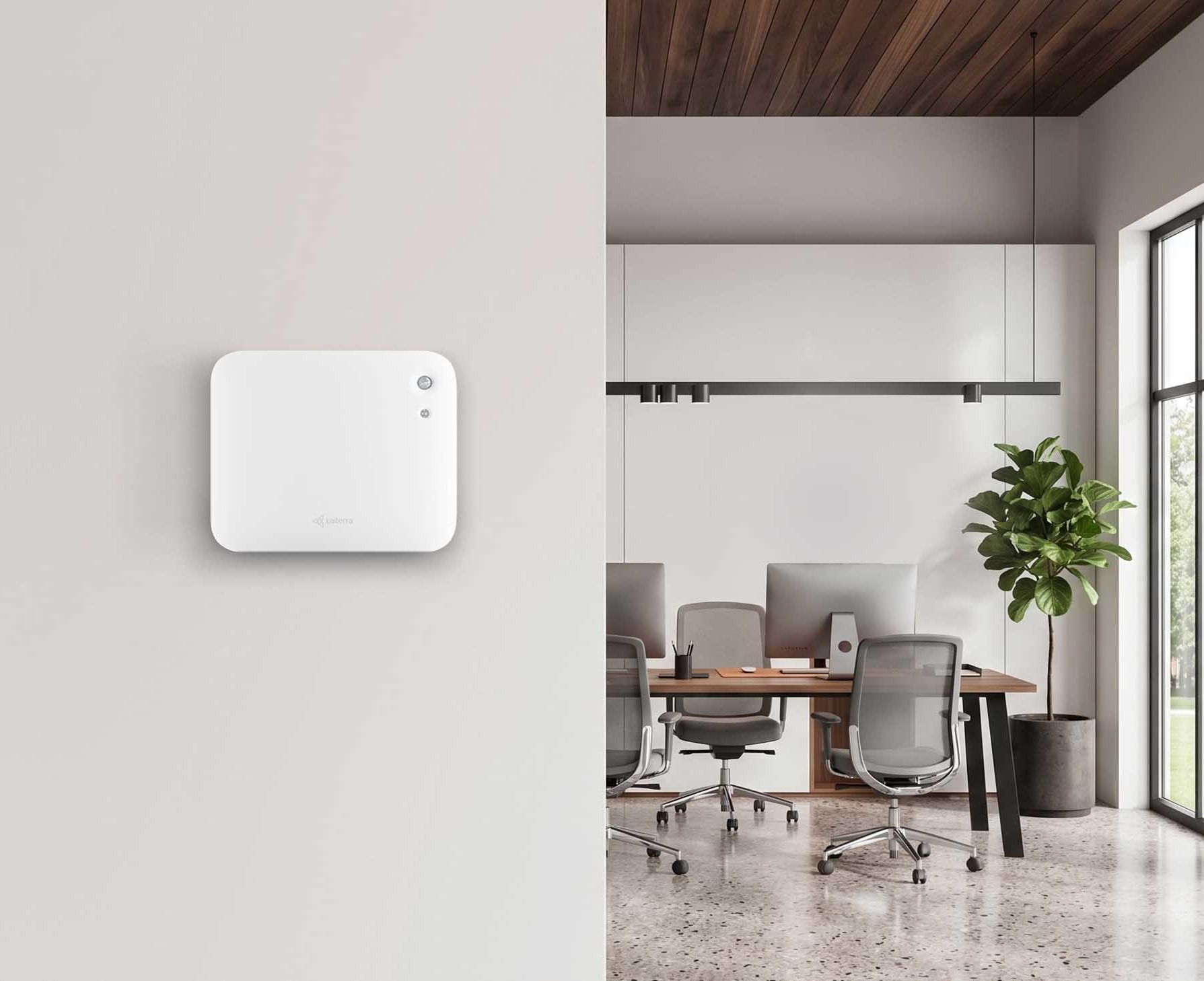
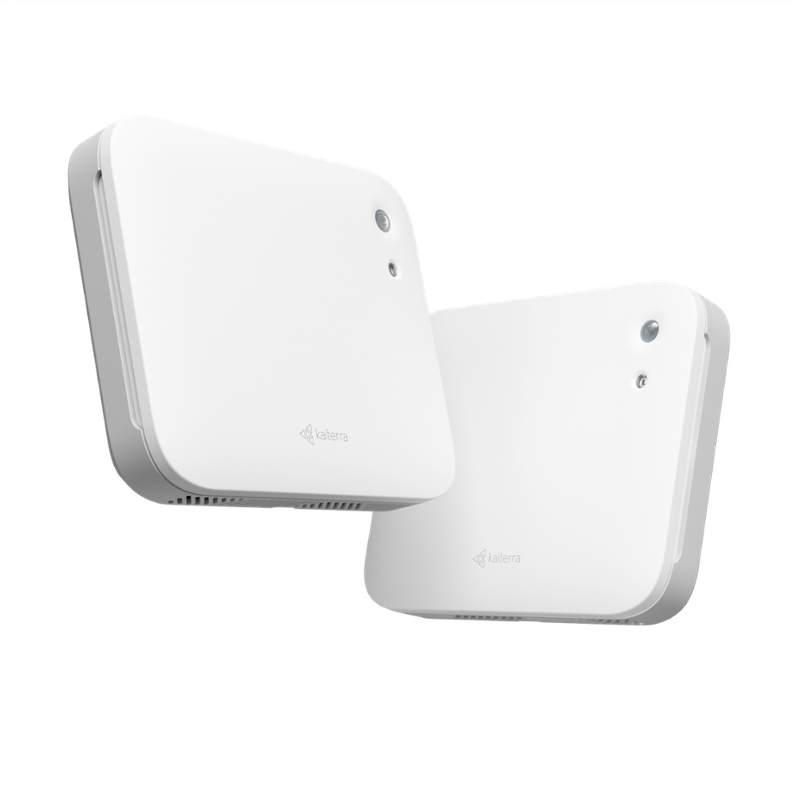
Peel and stick. That’s the installation.
Adhesive mount straight onto the wall or drywall. No cabling, no wiring, no drilling. A single person installs a floor without a ladder or a permit.
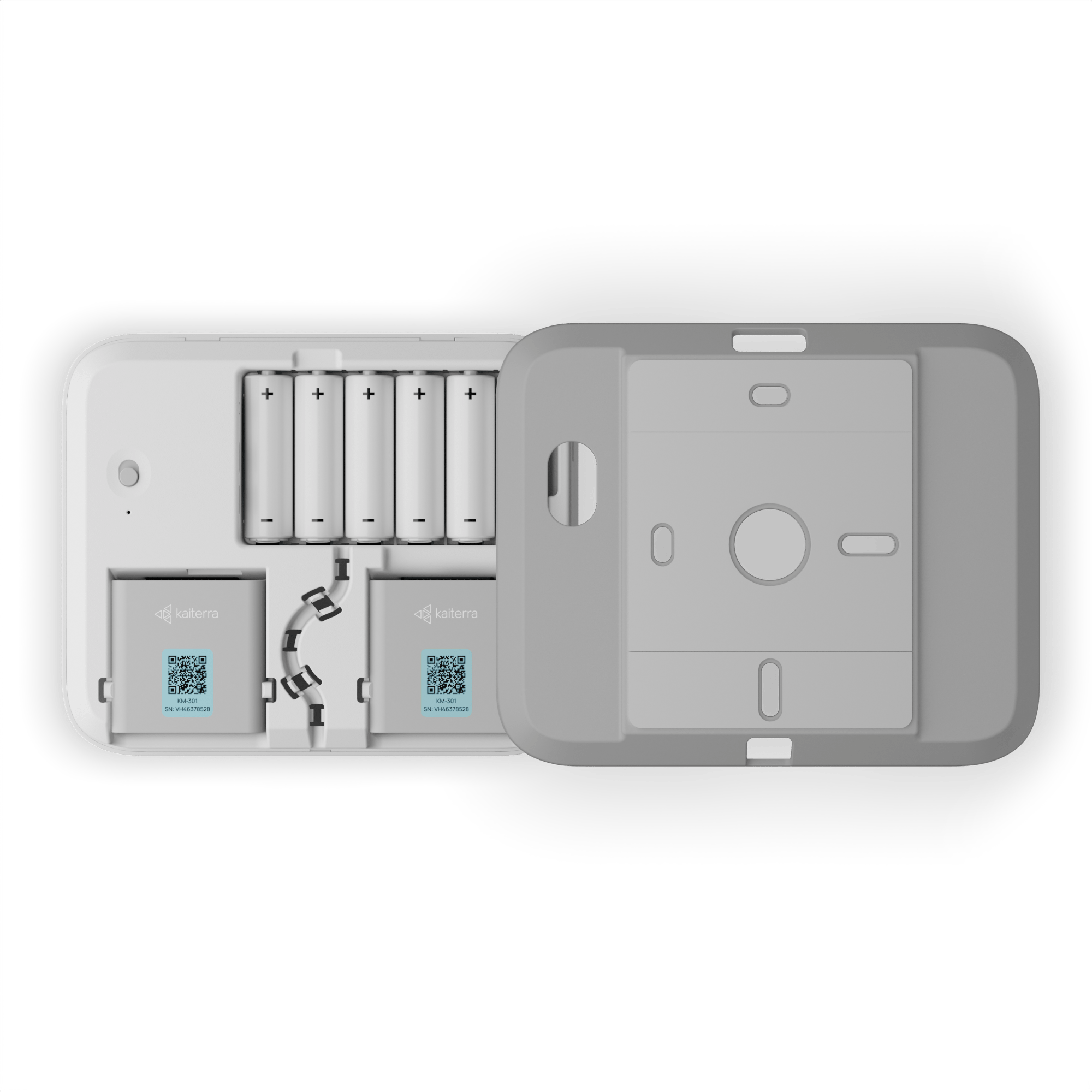
Up to eight years on batteries. Minimum maintenance.
Kaiterra's Adaptive Sampling™ lets the device sample at a dynamic frequency depending on the indoor environment - give up to eight years of life, and over four years even at a fixed high-frequency rate.
Renovating? Take the sensors with you.
Because nothing is wired, nothing is fixed. Peel a monitor off, re-stick it in the new layout, drag it to its new spot on the floor plan in the dashboard. Moving offices? The whole fleet goes in a box.
Minimize IT complexity. Shave months off your timeline.
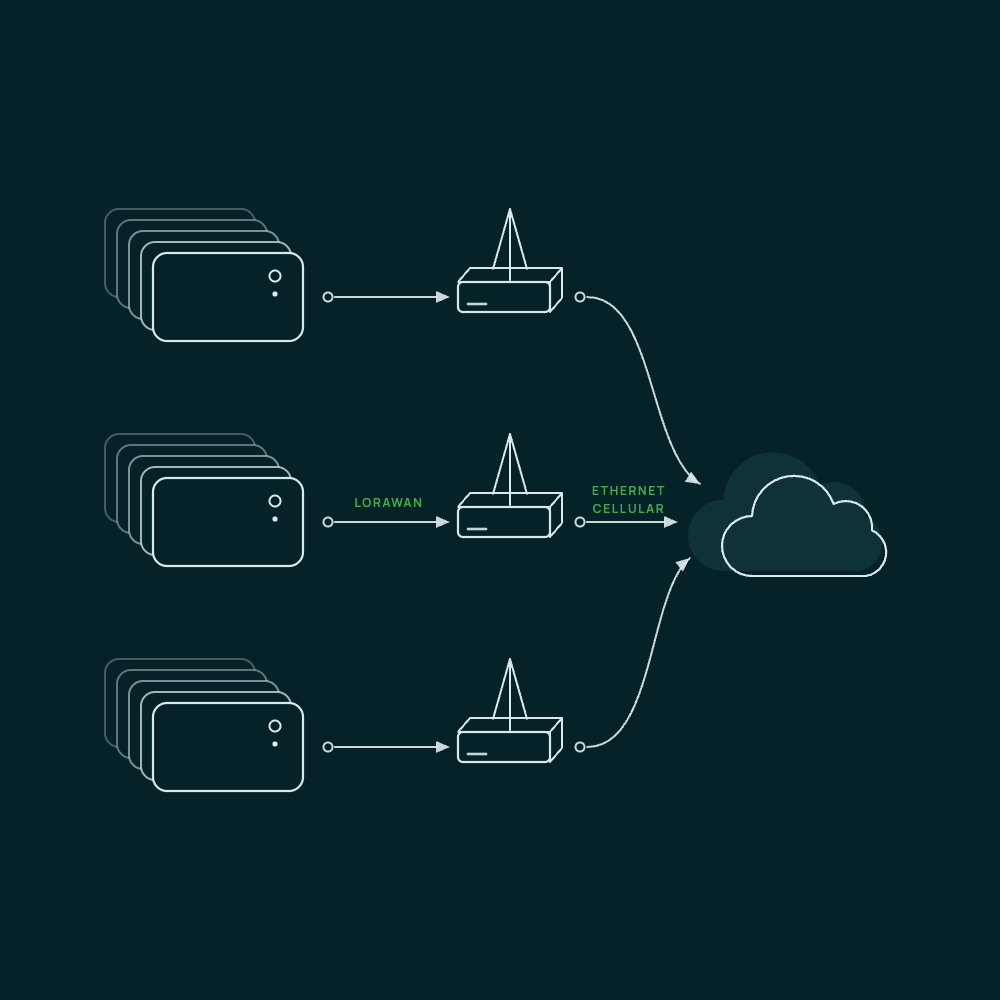
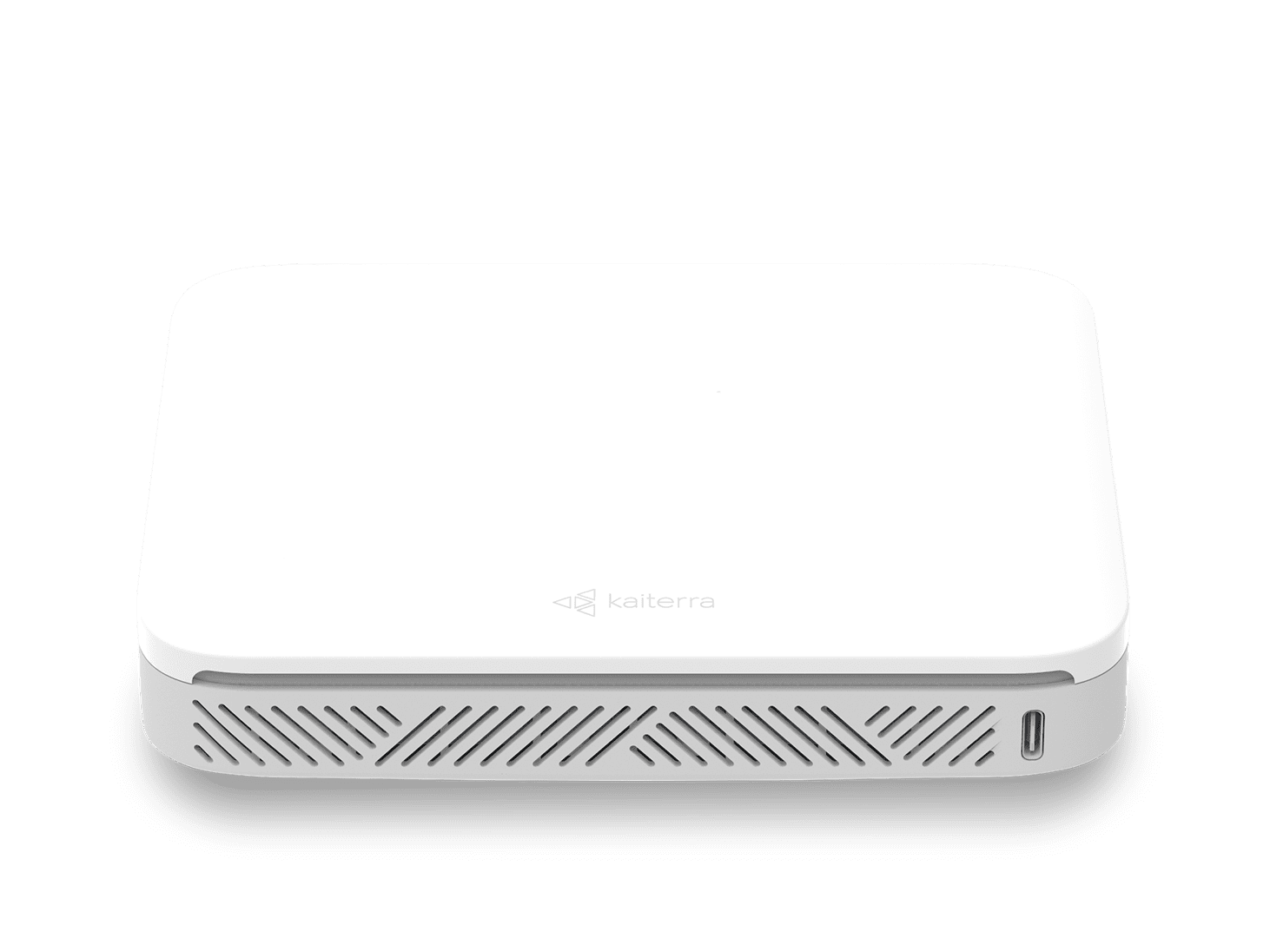
Kaiterra's wireless monitors send data over long-range, sub-GHz LoRaWAN to a gateway. The gateway backhauls over Ethernet if IT is happy to provide a port, or over cellular if you’d rather skip the network complexity entirely.
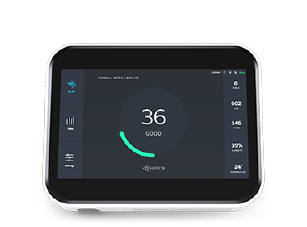
Our wireless IAQ monitors
Reliable and accurate in-duct air quality monitor, perfect for supply or return air sampling.
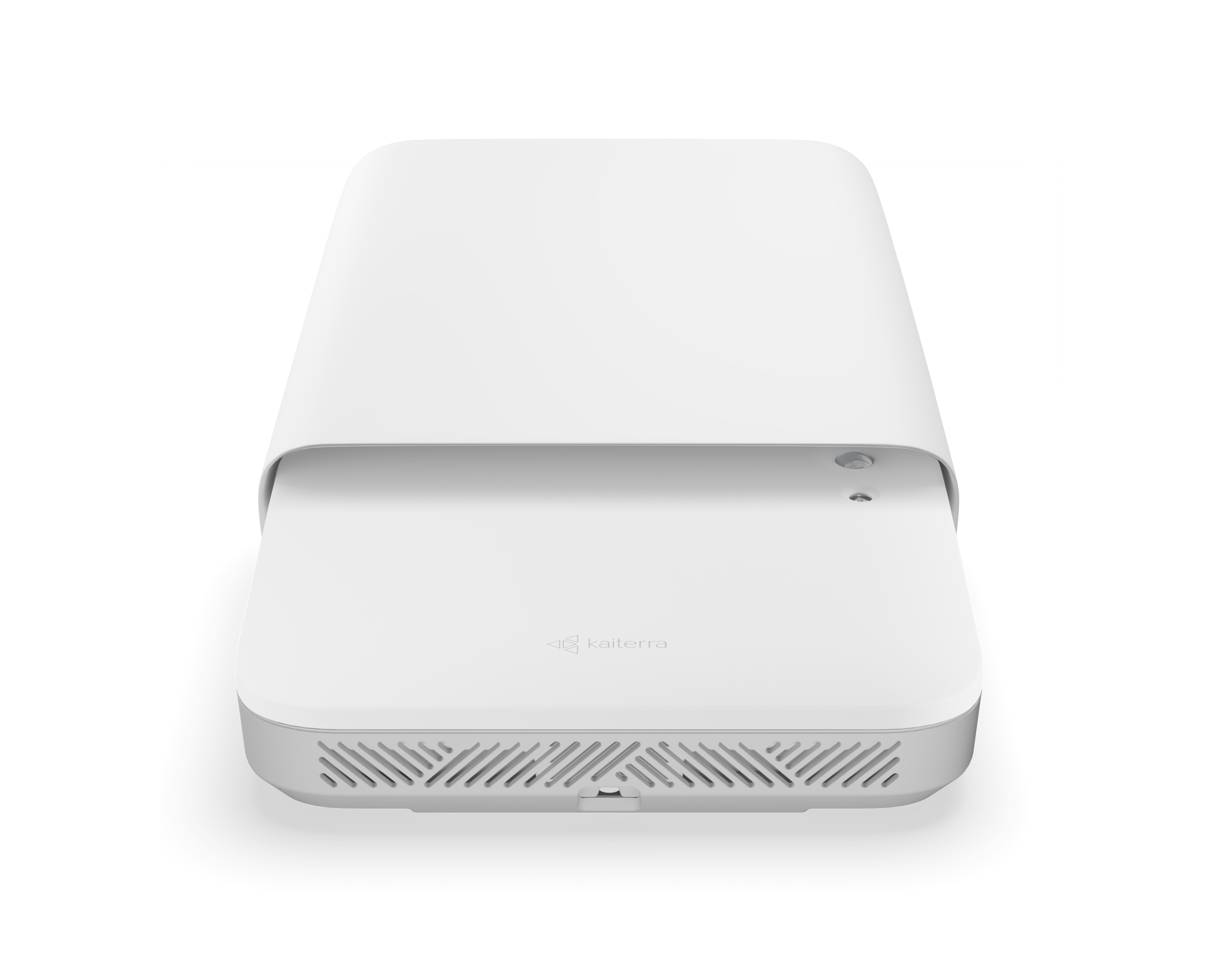
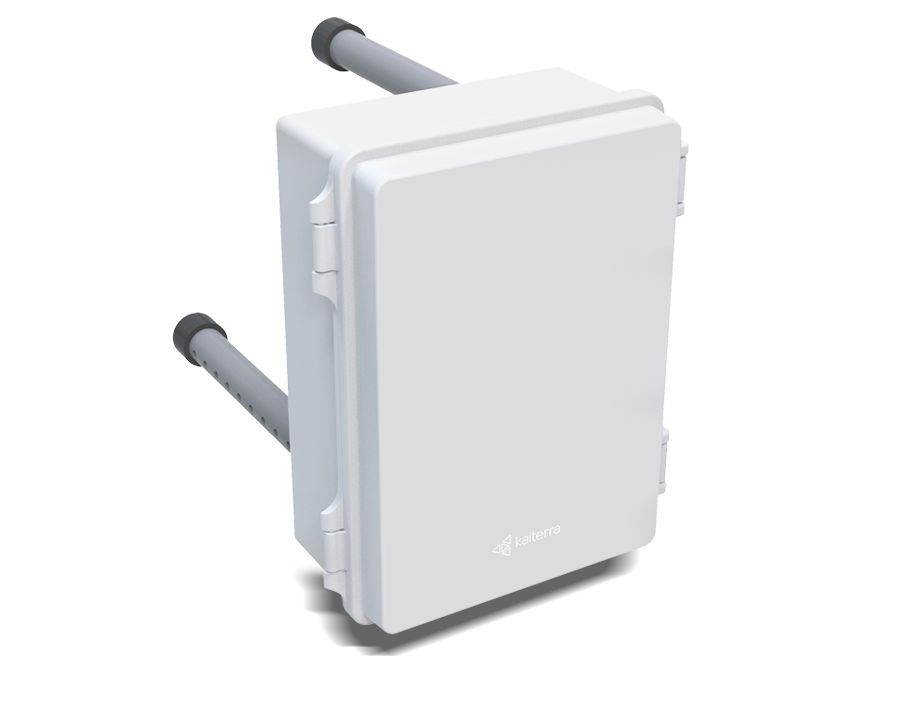
A durable, wireless, and battery-powered solution designed to eliminate the hassle of outdoor cabling.
Starting from a new build?
FAQ for retrofit projects
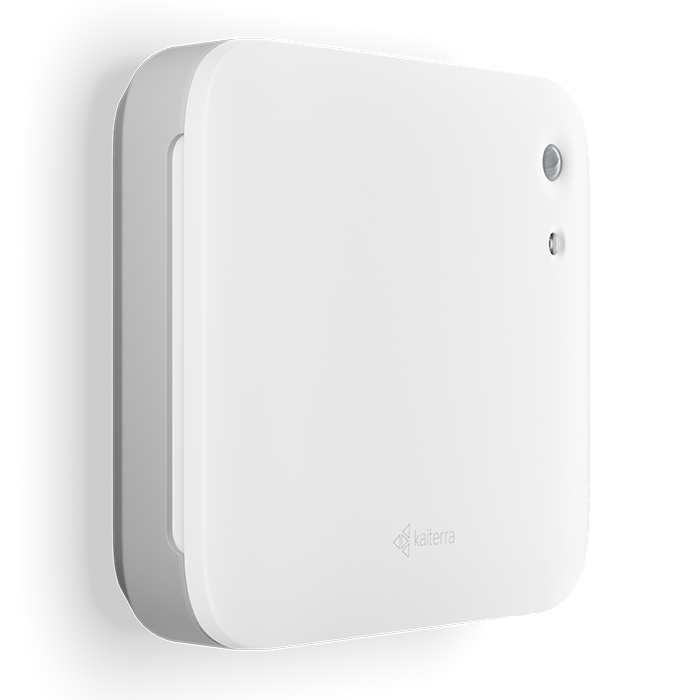
Yes. Wireless, battery-powered monitors like the Sensedge Go mount with adhesive and send readings over LoRaWAN to a gateway. The only thing that needs a power cable is the gateway.
Up to eight years using Adaptive Sampling™, and over four years at a fixed high-frequency sampling rate. The eight-year figure assumes a typical mechanically ventilated building with good wireless signal to the gateway; actual life varies with usage and environment.
If the gateway uses cellular, nothing connects to your corporate network, so there’s typically nothing to approve. If IT would rather provide an Ethernet port for the gateway, it’s a single outbound device with a documented port list. Sensors themselves have no IP address on your network either way.
Yes. Peel the monitor off, re-stick it in its new position within range of the gateway, and update its location on the floor plan in the dashboard.
A common design rule and the WELL v2 requirement is at least one monitor per 325 m² (3,500 ft²) of regularly occupied space. A single gateway typically covers three to five floors; Kaiterra assist with gateway estimation and placement based on your floor plans.
LoRaWAN is a sub-GHz radio designed for exactly that - long range and good penetration through building materials, far better than Wi-Fi.
Yes. The gateway exposes sensor readings over BACnet/IP, so an existing building management system can read them without any new wiring to the sensors. Data is also available through the Kaiterra platform and Open API.