
Get in Touch
Accurate, reliable air quality insight at the duct level.

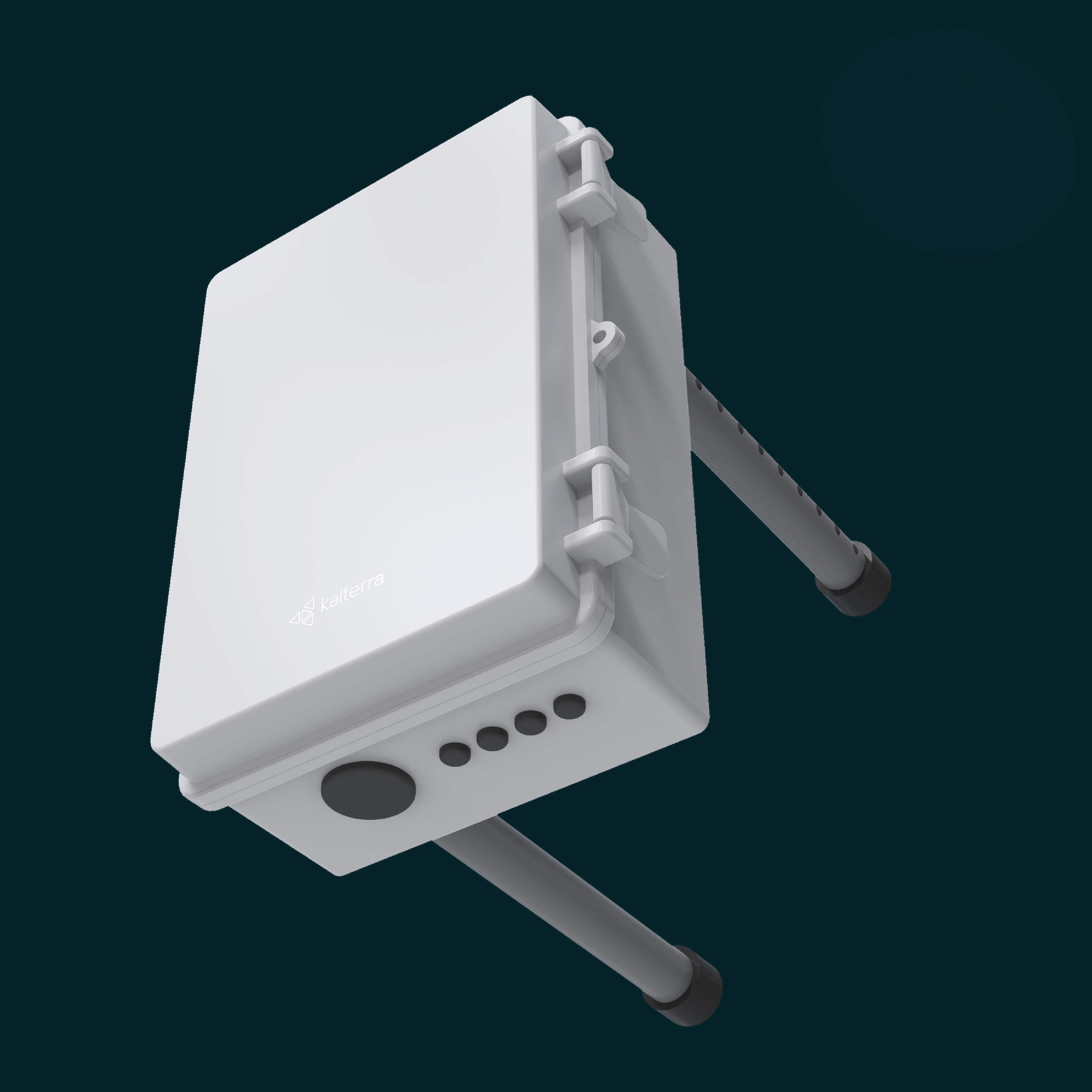
Sensedge Duct Air Quality Monitor
Get in Touch
Tech Specs
SE-in-duct 首图800x800-01

What is the Sensedge Duct?

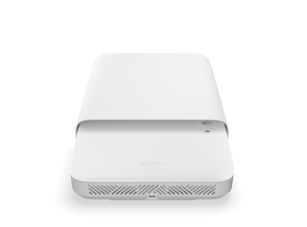
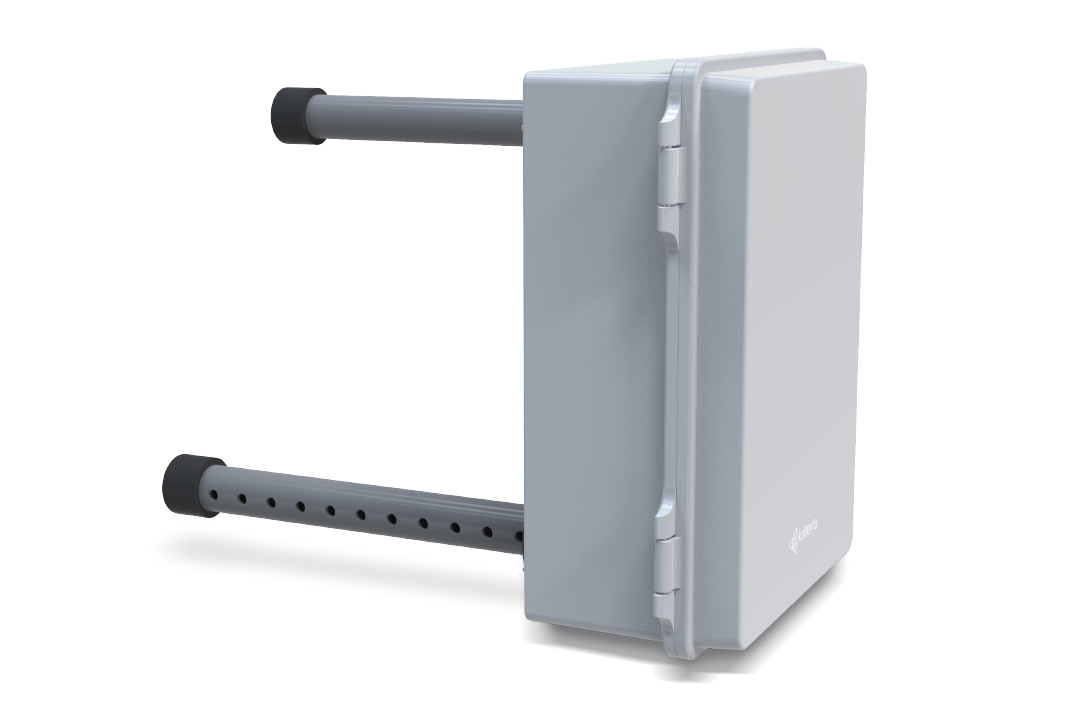
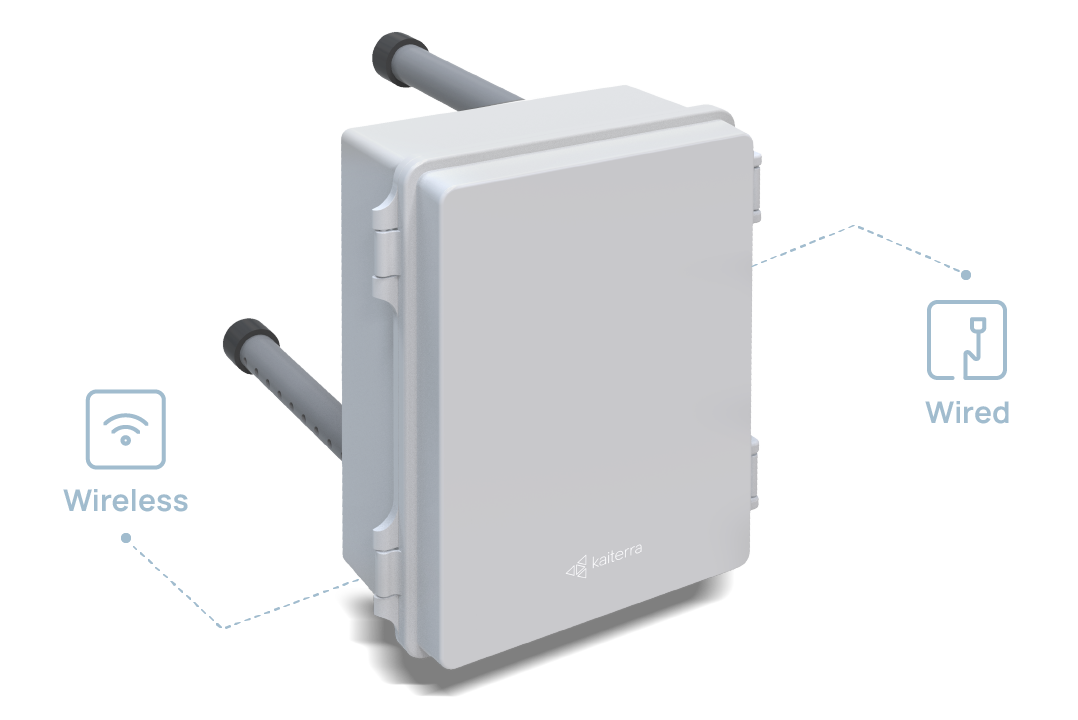
Featuring a robust duct-mount installation and a dual-probe air sampling design, the Sensedge Duct monitors multiple air quality and environmental parameters within supply or return air ducts, delivering accurate, reliable, real-time insights of the air distributed through your HVAC.

Why should you monitor air quality inside the duct?

Healthy air is now an expectation for corporate tenants and top talent. Yet building owners lack access to tenant spaces, leaving them unaware of the air quality inside and unable to act when complaints arise.

By measuring air quality inside the duct, building owners and facilities teams gain the visibility to resolve issues faster, prove performance, and build lasting tenant trust.
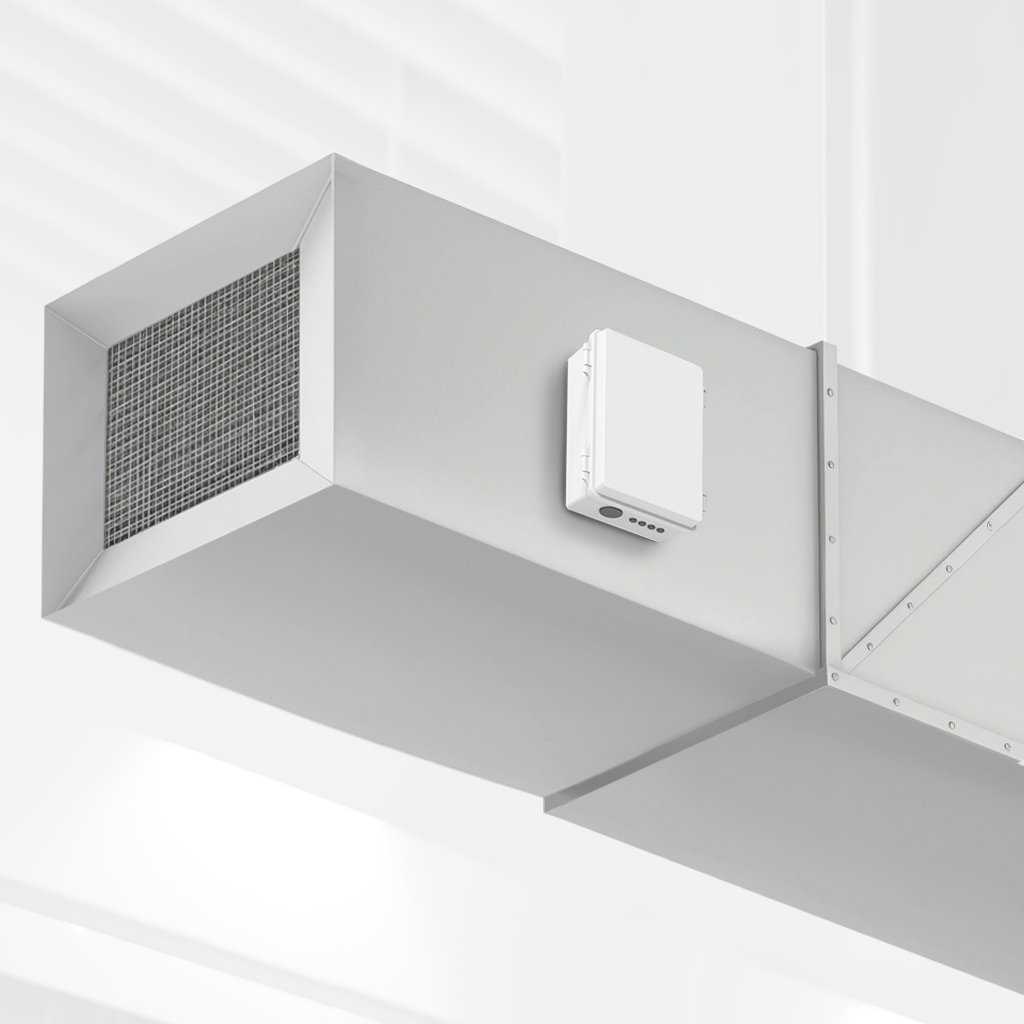
Why should you monitor air quality inside the duct

Designed for building owners and real estate companies, the Sensedge Duct monitors up to 12 IAQ and IEQ parameters, providing a comprehensive view of the air quality inside the ducts, without the need to access tenant spaces.

PM1-转曲-01
PM1
PM1 Ultrafine particles that can penetrate deep into the lungs, posing significant health risks, especially for those with respiratory conditions.
pm2.5 icon-14
PM2.5
PM2.5 Tiny airborne particles that are small enough to enter the bloodstream and are linked to heart and lung diseases.
pm10 icon-15
PM10
PM10 Coarser particles that can irritate the respiratory tract and aggravate conditions like asthma and bronchitis.
tvoc icon-16
VOCs
VOCs Volatile organic compounds, emitted from everyday products, can cause eye, nose, and throat irritation and long-term exposure may lead to serious health effects.
icon co2-13
CO2
CO2 High levels of this odorless gas can indicate poor ventilation and lead to drowsiness, headaches, and decreased cognitive performance.
NOX-new
NO2
NO2 A harmful gas from combustion processes that irritates the respiratory system and can worsen asthma and other lung conditions.
CO
CO
CO A colorless, odorless gas that can be deadly in high concentrations, often resulting from faulty combustion appliances.
ozone icon-01
Ozone
Ozone A reactive gas that can trigger respiratory problems and worsen lung diseases, especially during outdoor air pollution episodes.
temperature icon-02
Temperature
Temperature Comfort levels and the efficiency of heating and cooling systems are influenced by temperature, which also affects air quality perception.
relative icon-01
Relative Humidity
Relative Humidity Maintaining a balance of humidity levels helps prevent mold growth and minimizes respiratory discomfort.
Filter Efficiency
Filter Efficiency
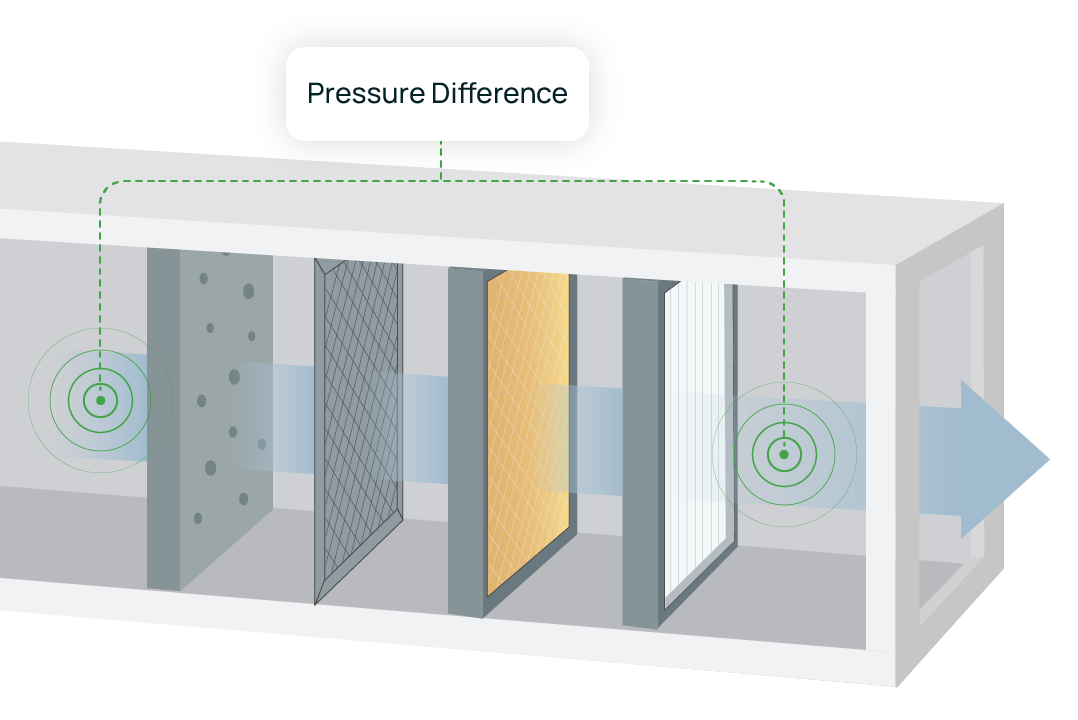
Filter Efficiency Optional dual-pressure and airspeed sensors measure the pressure drop before and after the air filter, providing diagnostic insights into filter performance and efficiency.
PM1-转曲-01
PM1
PM1 Ultrafine particles that can penetrate deep into the lungs, posing significant health risks, especially for those with respiratory conditions.
pm2.5 icon-14
PM2.5
PM2.5 Tiny airborne particles that are small enough to enter the bloodstream and are linked to heart and lung diseases.
pm10 icon-15
PM10
PM10 Coarser particles that can irritate the respiratory tract and aggravate conditions like asthma and bronchitis.
tvoc icon-16
VOCs
VOCs Volatile organic compounds, emitted from everyday products, can cause eye, nose, and throat irritation and long-term exposure may lead to serious health effects.
icon co2-13
CO2
CO2 High levels of this odorless gas can indicate poor ventilation and lead to drowsiness, headaches, and decreased cognitive performance.
NOX-new
NO2
NO2 A harmful gas from combustion processes that irritates the respiratory system and can worsen asthma and other lung conditions.
CO
CO
CO A colorless, odorless gas that can be deadly in high concentrations, often resulting from faulty combustion appliances.
ozone icon-01
Ozone
Ozone A reactive gas that can trigger respiratory problems and worsen lung diseases, especially during outdoor air pollution episodes.
temperature icon-02
Temperature
Temperature Comfort levels and the efficiency of heating and cooling systems are influenced by temperature, which also affects air quality perception.
relative icon-01
Relative Humidity
Relative Humidity Maintaining a balance of humidity levels helps prevent mold growth and minimizes respiratory discomfort.
Filter Efficiency
Filter Efficiency
Filter Efficiency Optional dual-pressure and airspeed sensors measure the pressure drop before and after the air filter, providing diagnostic insights into filter performance and efficiency.
Load more

Engineered for
in-duct air quality monitoring

Dual-probe
Accurate temperature and humidity reading-05-06
Modular design-02
Enhance with filter efficiency attachment-3-03
Flexible power and connectivity setup-04-04
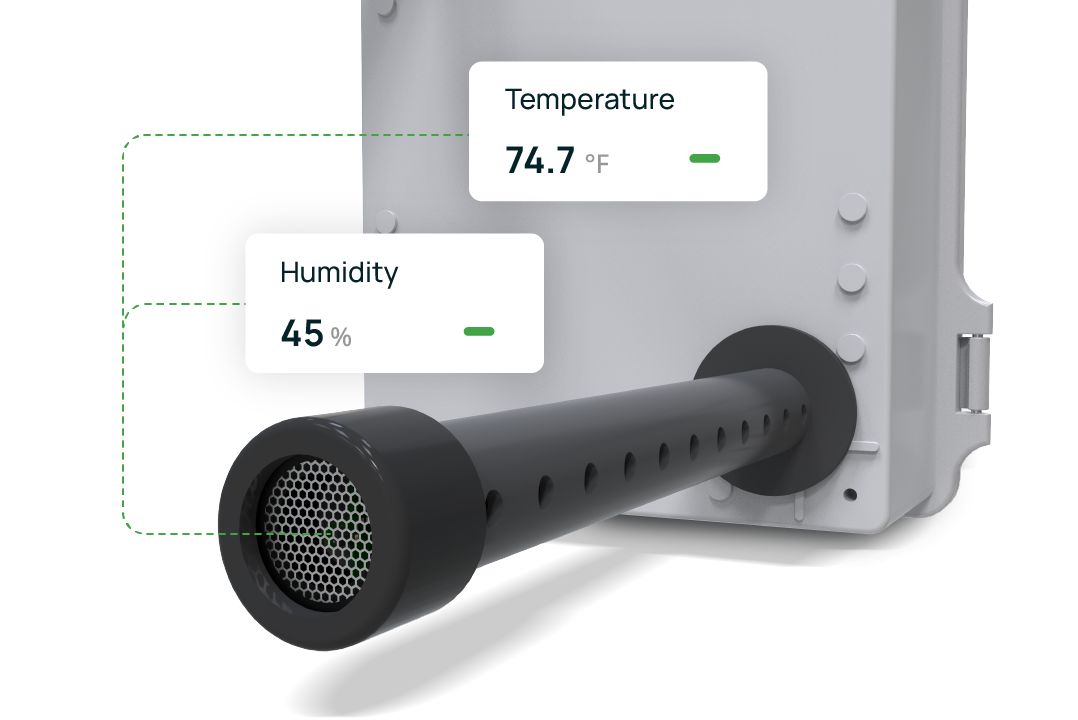
Dual-probe sampling with sealed stability
A custom dual-probe sampling design and pressure-stabilized sensing chamber work together to ensure accurate, real-time readings across varying airflow rates - delivering consistent, reliable data regardless of duct size, shape, or airspeed.
Accurate temperature and humidity reading
An external temperature & humidity sensor is positioned in the airstream to capture actual environmental conditions with high accuracy and fast response.
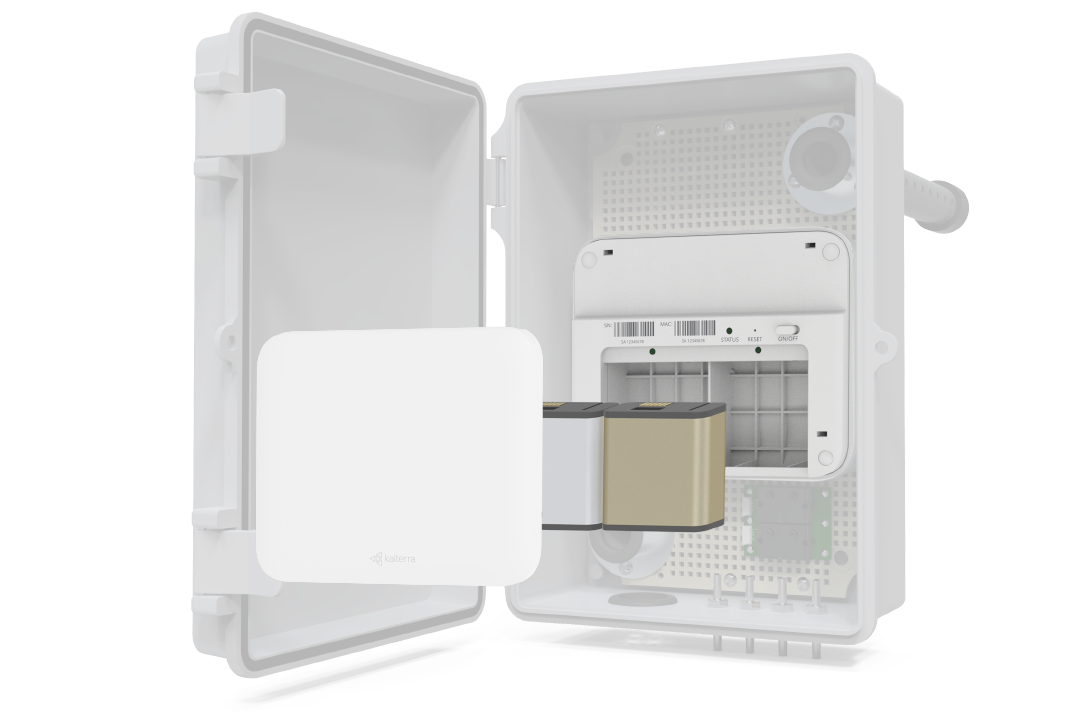
Modular design
Replaceable sensor modules allow quick swaps for long-term accuracy, easy maintenance, and future expandability to monitor additional parameters.
Enhance with filter efficiency attachment
Expand your in-duct monitoring capabilities with the filter efficiency attachment, which measures pressure differences before and after air filters. Gain actionable insights into filter performance and efficiency, optimize maintenance schedules, and quickly detect critical filter failures.
Flexible power and connectivity setup
Choose between a wireless, battery-powered option that requires no cabling, or a wired model, depending on your power and connectivity needs. BMS integration is also available to support a wider range of use cases.

Unlock new use cases and benefits with in-duct air quality monitoring

Verify Delivered Air Quality-01
Verify Delivered Air Quality Gain a true understanding of the air your HVAC system delivers to occupants, ensuring it meets health, comfort, and performance standards.
Diagnose Problems Quickly at the Source-01
Diagnose Problems Quickly at the Source Identify whether air quality issues stem from the building system or tenant activities, enabling faster, more effective troubleshooting.
Filter Efficiency-01
Optimize Filter Performance Detect clogged, improperly installed, or inefficient filters early, enabling predictive maintenance and energy savings before they lead to occupant discomfort or complaints.
Improve HVAC Efficiency-01
Improve HVAC Efficiency Use real-time data to evaluate and fine-tune ventilation performance, reduce energy waste, extend system lifespan, and plan proactively for upgrades and capital investments.
Strengthen Tenant Trust-01
Strengthen Tenant Trust Provide transparent, data-backed proof of healthy air to build confidence, satisfaction, and long-term tenant relationships.
Increase Asset Value & Market Differentiation-01
Increase Asset Value & Market Differentiation Prove your building’s superior air quality performance to tenants and investors - enhancing asset value, lease renewals, and competitive positioning in the market.

From setup to insights

01 Install quickly and securely

Mounted directly on supply and/or return air duct

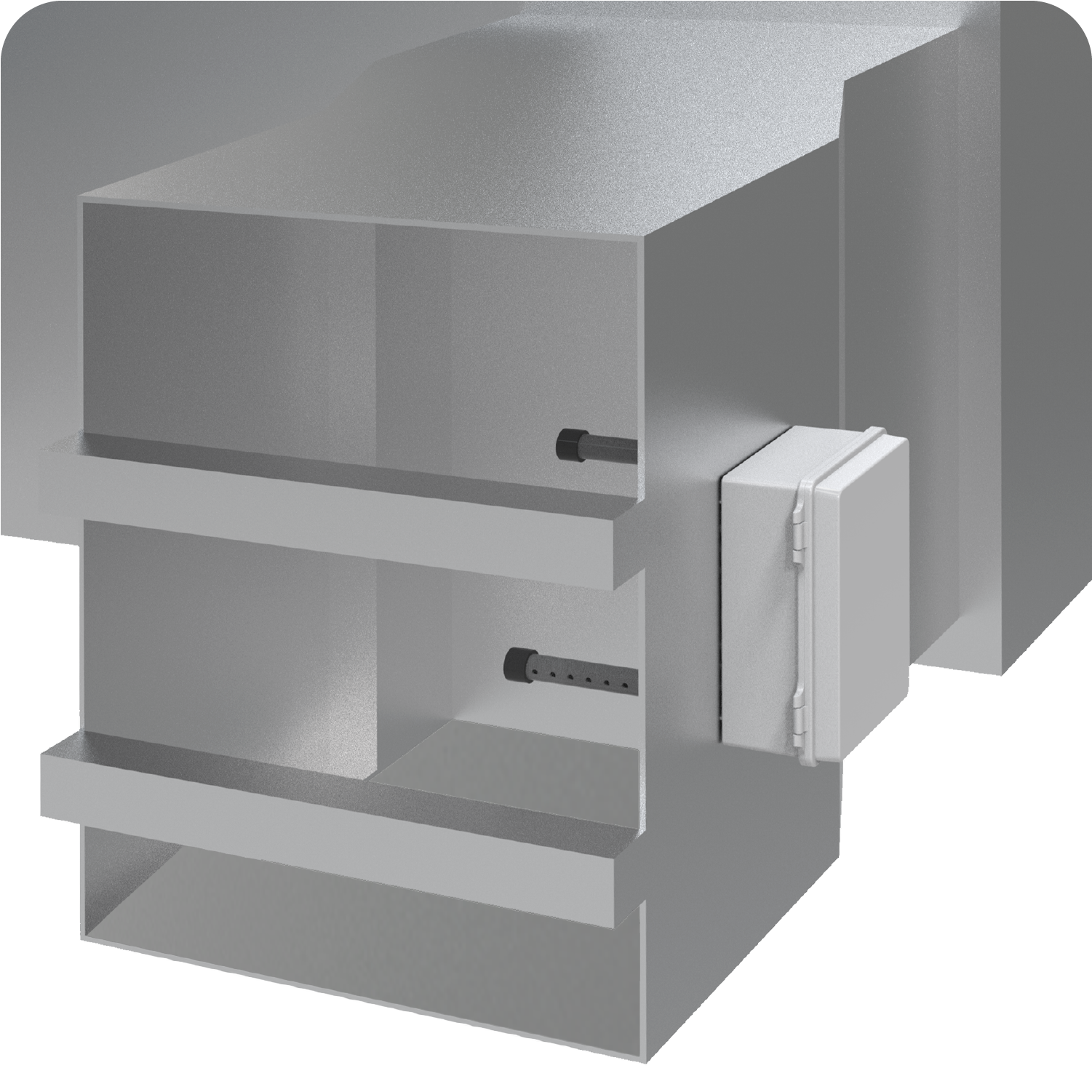
Mounted directly on supply and/or return air ducts, the Sensedge Duct uses a dual-probe sampling design with openings that expose the probes to the airstream, capturing air exactly as it’s delivered or extracted.

The result is real-time, accurate, and reliable readings that provide a comprehensive view of the air quality inside your ducts.

Mounted directly on supply andor return air duct-01
02 Connect to the cloud and BMS

You don't have to choose between the cloud and BMS

Data from the Sensedge Duct is transmitted to both the cloud and the Building Management System (BMS) simultaneously.

The cloud connection supports advanced analytics and visualization through Wi-Fi, Ethernet, cellular, or Sub-GHz wireless communication, depending on the model you choose.

Integration with the BMS is handled seamlessly through BACnet IP, allowing real-time data to feed directly into building automation and control systems for expanded use cases.

You dont have to choose between the cloud and BMS-02
03 Access data and insights

View, report, analyze, and act

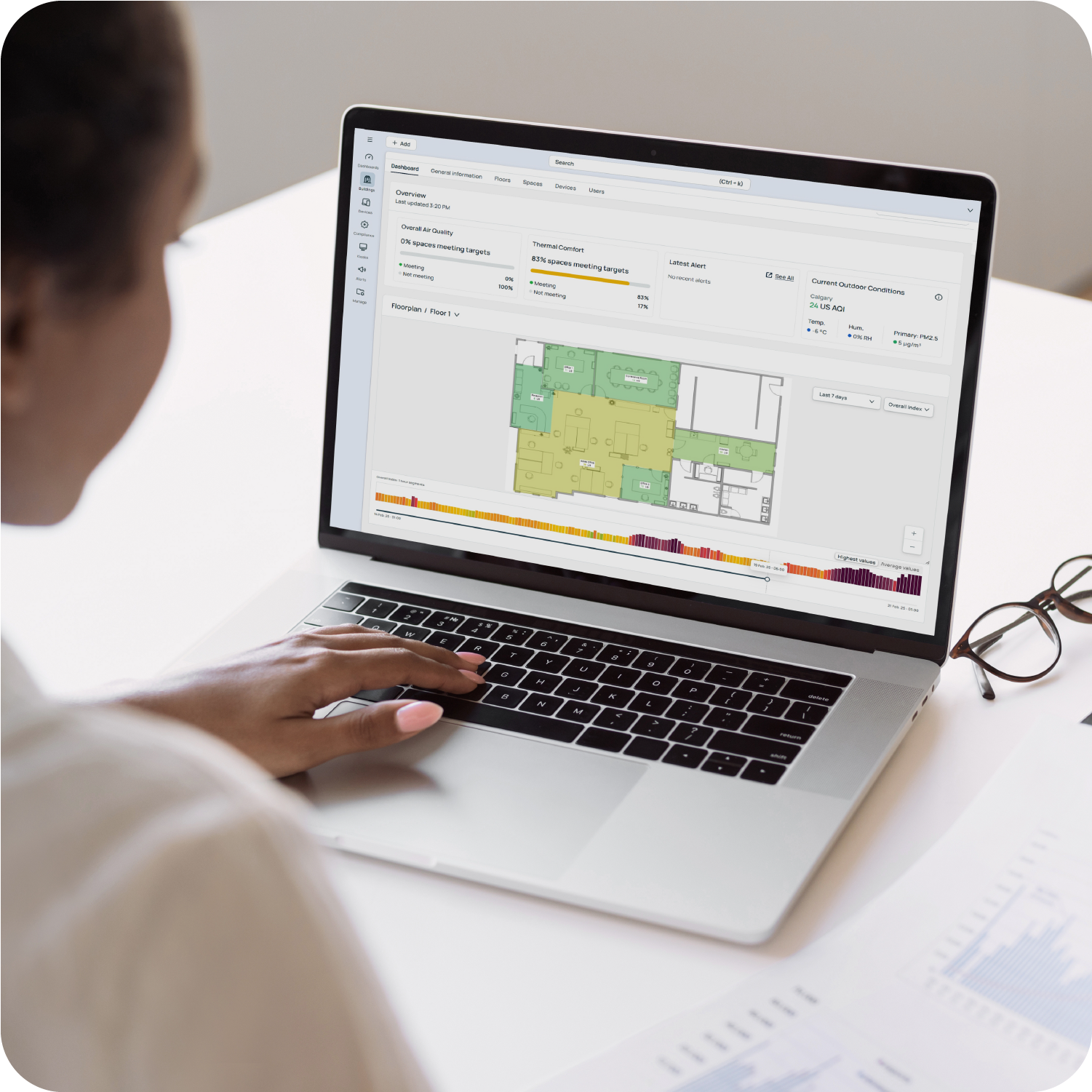
Leverage the Kaiterra Data Platform to visualize real-time air quality and system performance.

Gain actionable insights, identify inefficiencies, and make data-driven decisions to optimize occupant health, comfort, and building performance.

View, report, analyze, and act-03
Mounted directly on supply andor return air duct-01

Mounted directly on supply and/or return air duct

Mounted directly on supply and/or return air ducts, the Sensedge Duct uses a dual-probe sampling design with openings that expose the probes to the airstream, capturing air exactly as it’s delivered or extracted.

The result is real-time, accurate, and reliable readings that provide a comprehensive view of the air quality inside your ducts.

You dont have to choose between the cloud and BMS-02

You don't have to choose between the cloud and BMS

Data from the Sensedge Duct is transmitted to both the cloud and the Building Management System (BMS) simultaneously.

The cloud connection supports advanced analytics and visualization through Wi-Fi, Ethernet, cellular, or Sub-GHz wireless communication, depending on the model you choose.

Integration with the BMS is handled seamlessly through BACnet IP, allowing real-time data to feed directly into building automation and control systems for expanded use cases.

View, report, analyze, and act-03

View, report, analyze, and act

Leverage the Kaiterra Data Platform to visualize real-time air quality and system performance.

Gain actionable insights, identify inefficiencies, and make data-driven decisions to optimize occupant health, comfort, and building performance.

Technical Specifications

Sensors

Particulate
matter sensor

Sensor:

Laser particle sensor

Accuracy:

0 to 30 μg/m³: ±3 μg/m³
30 to 1000 μg/m³: ±10 % m.v.

Resolution:

1 μg/m³

TVOC Sensor

Sensor:

Multi-pixel metal oxide sensor (MOx)

Accuracy:

±15 % ±4 ppb
±15 % ±18 ug/m3

Resolution:

1ug/m3

CO2 Sensor

Sensor:

Non-dispersive infrared (NDIR)

Accuracy:

±40 ppm ±3%

Resolution:

1 ppm

CO Sensor
(Available in DU-200PW, 201PW, 300W, 301W)

Sensor:

Electrochemical

Accuracy:

0 to 20 ppm: ±1 ppm
>20 ppm: ±5%

Resolution:

0.1ppm

O3 Sensor
(Available in DU-200PW, 201PW, 300W, 301W)

Sensor:

Electrochemical

Accuracy:

0 to 100 ppb: ±10 ppb
>100 ppb: ±10 %

Resolution:

1 ppb

NO2 Sensor
(Available in DU-200PW, 201PW, 300W, 301W)

Sensor:

Electrochemical

Accuracy:

0 to 100 ppb: ±10 ppb
>100 ppb: ±10 %

Resolution:

1 ppb

Temperature
Sensor

Sensor:

Digital sensor

Accuracy:

±0.2 °C

Resolution:

0.1 °C

Relative Humidity
Sensor

Sensor:

Digital sensor

Accuracy:

±2 % RH

Resolution:

0.1 % RH

Power

Wireless Model (DU-300A, 300W, 301A, 301W)

Battery (Up to 8 years)

USB Type-C

PoE via PoE to USB-C converter 


Wired Model (DU-200P, 200PW, 201P, 201PW)

USB Type-C

Low voltage direct wiring

PoE

Connectivity

Wireless Model (DU-300A, 300W, 301A, 301W)

Sub-Ghz wireless communication using gateways

Gateway supports cellular and ethernet


Wired Model (DU-200P, 200PW, 201P, 201PW)

Wi-Fi

Ethernet


Integration

Wireless Model (DU-300A, 300W, 301A, 301W)

BACnet/IP via Gateway

Open API


Wired Model (DU-200P, 200PW, 201P, 201PW)

BACnet/IP

Modbus via RS-485

Local and cloud MQTT

Open API


Sensedge Duct FAQs

What air quality sensors does the Sensedge Duct use and how accurate are they?
You can see a detailed breakdown of the air quality sensors in the Sensedge Duct and their technical specifications here.
What building certifications is the Sensedge Duct compliant with?

The Sensedge Duct is currently in the process of obtaining both a RESET Grade B certification and alignment with the Works with WELL program.

Kaiterra is also actively working with the International WELL Building Institute (IWBI) to establish a recognized pathway for in-duct monitoring within WELL Certification, particularly for WELL Core projects.

Where should I install the Sensedge Duct?

The Sensedge Duct should be installed directly on supply and/or return air ducts where it can measure the air being delivered to or extracted from occupied spaces. For the most representative results, choose duct sections with stable, well-mixed airflow. The device can be mounted horizontally or vertically, as long as the probes are fully exposed to the airstream.

If using the optional filter efficiency attachment, ensure the sensors are installed on both sides of the air filters in your air handling unit (AHU) - one before and one after the filters - to accurately measure pressure drop and assess filter performance.

You also have the option to install the Sensedge Duct at the outdoor air intake duct of the HVAC system to monitor outdoor air quality entering the building, serving as an equivalent to an outdoor air quality monitor.

How often do I have to replace the air quality sensor modules?

The lifespan of the air quality sensor modules can vary depending on the environment and the levels of pollutants they are exposed to. You can view the health of each module in the Kaiterra Data Platform and receive notifications when your modules need replacement. 

Get a headstart on your air quality journey now.

Get in Touch
Tech Specs