Get in Touch

IEQ monitoring for new-build projects

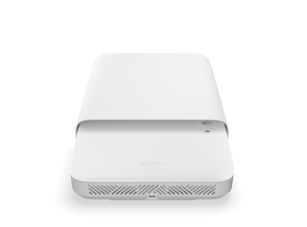
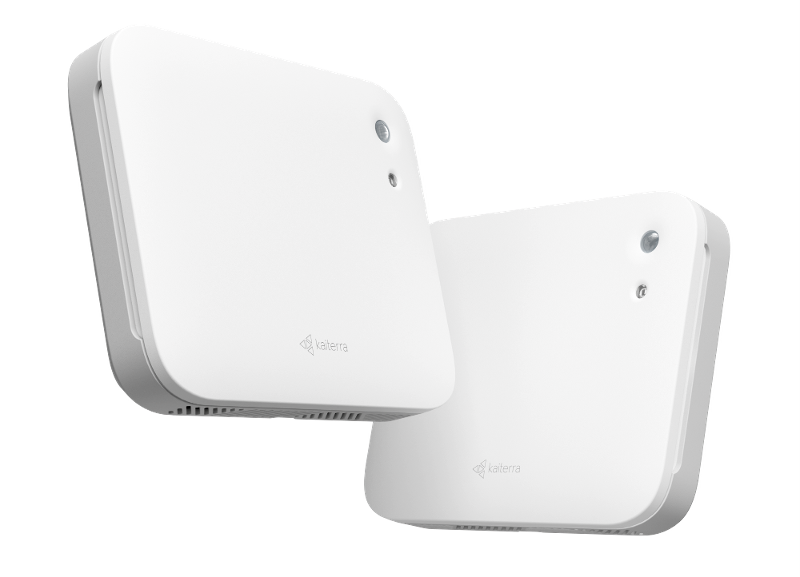
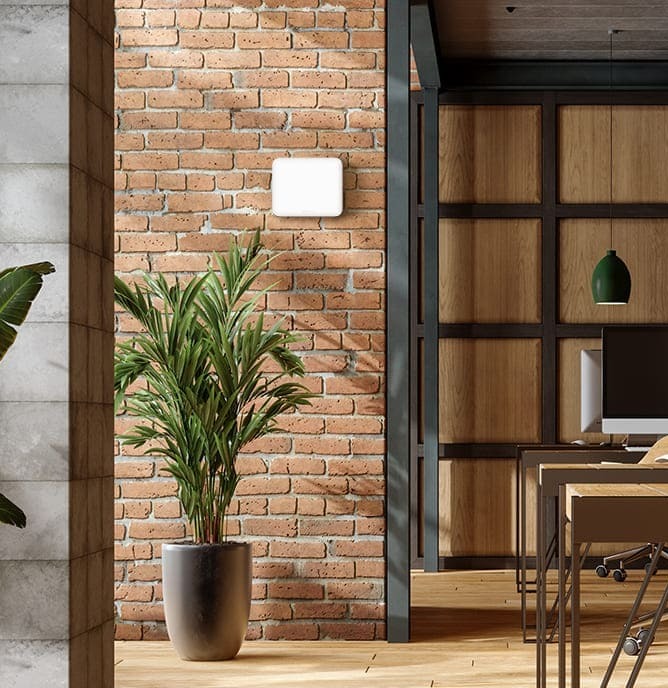
A new building is the one chance to get sensing right. Hard-wire indoor environmental quality monitors into the fabric of the building - powered over Ethernet, speaking BACnet to the BMS, and upgradeable for decades without ever touching the wall again.
mini场景图-1

Trusted by companies measuring air quality at scale

1-Logo-Google
2-Logo-Meta
3-Logo-Apple
4-Logo-Microsoft
5-Logo-Linkedin
6-Logo-Salesforce
7-Logo-Deloitte
8-Logo-accenture
9-Logo-Okta
10-Logo-JPM
11-Logo-JLL
13-Logo-GSA
12-Logo-SFO
14-Logo-Gensler
15-Logo-SOM
16-Logo-ARUP

Which IEQ sensors are best for a new building?

For new construction, wired monitors are the better choice: one low-voltage cable (Power over Ethernet or 12–30 V DC) carries power, there are no batteries to replace, connectivity is Ethernet-stable, and the device speaks BACnet/IP natively to the building management system. Choose a modular monitor so new sensors can be added later without touching the wiring.

Four questions to ask when deploying monitors in a new build project 

The common mistake is treating IEQ monitors as an afterthought. That creates problems that require expensive fixes later. Ask these questions from day one.

Power
How will each sensor get power?

You shouldn’t have to put a monitor where an outlet happens to be, or hang an adapter off a brand-new wall. Plan one low-voltage cable now, and the sensor goes exactly where it belongs.

Connectivity
How does the data get out?

Over Ethernet is a much better option. Skip it now and you’ll be pulling cable later, or relying on office Wi-Fi, where every password change means touching every sensor.

BMS Integration
Can it feed data to my BMS?

Pick monitors that speak BACnet to the BMS and stream to the cloud at the same time. Otherwise, you’ll install a second set later - one for the integrator, one for the workplace team.

Maintenance
What will need maintaining in year three?

Batteries die. Wi-Fi passwords change. Cables get pulled. Hardwire power and connectivity eliminates those headaches - install once and leave it alone.

Built to be specified, built to stay
A solution for every type of project-Mini Product Features-3 Air Quality Pillar-why measure with Kaiterra-Accurate and calibrated-4 sensedge-mini-modules

PoE or low-voltage. One clean install.

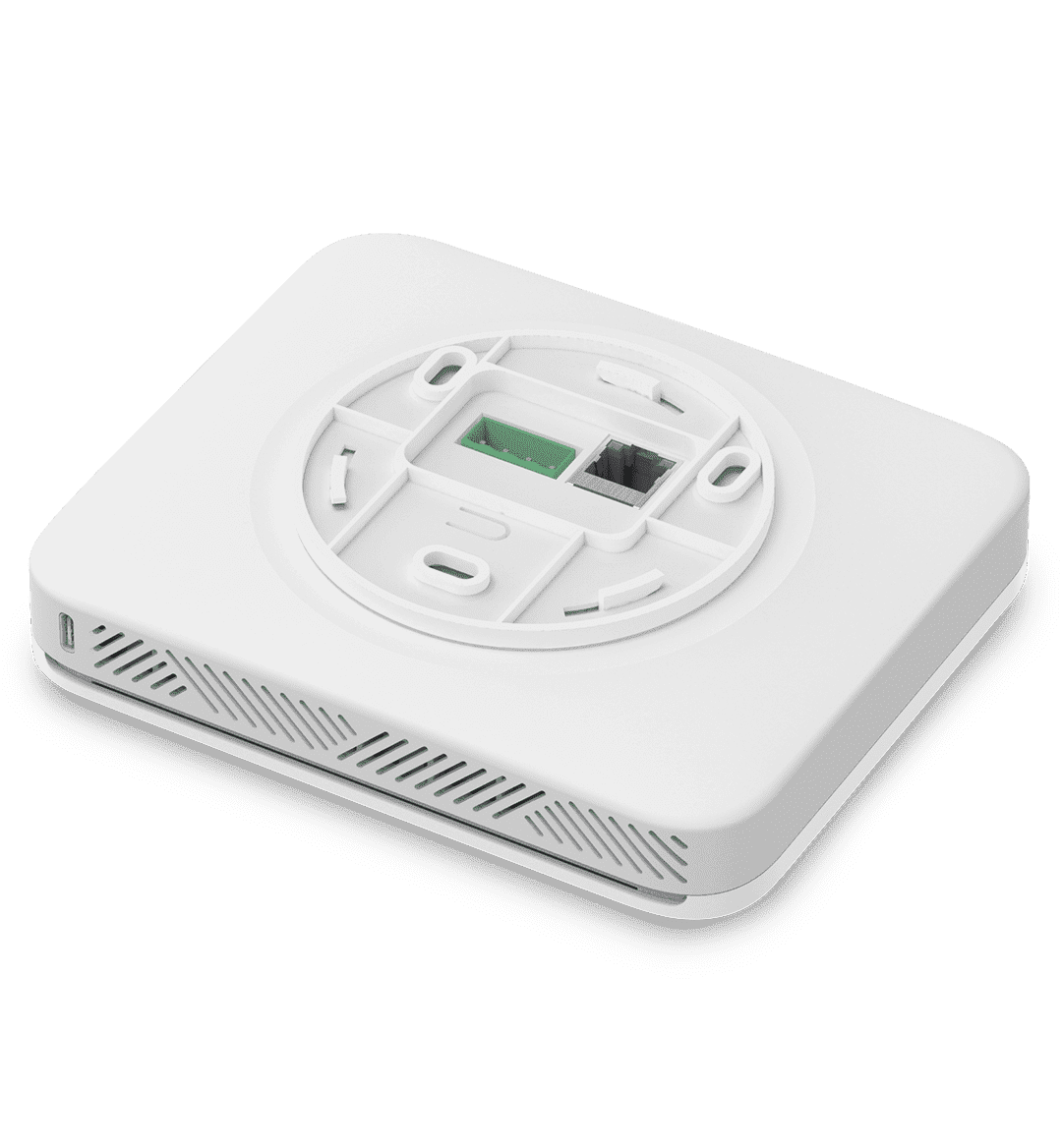
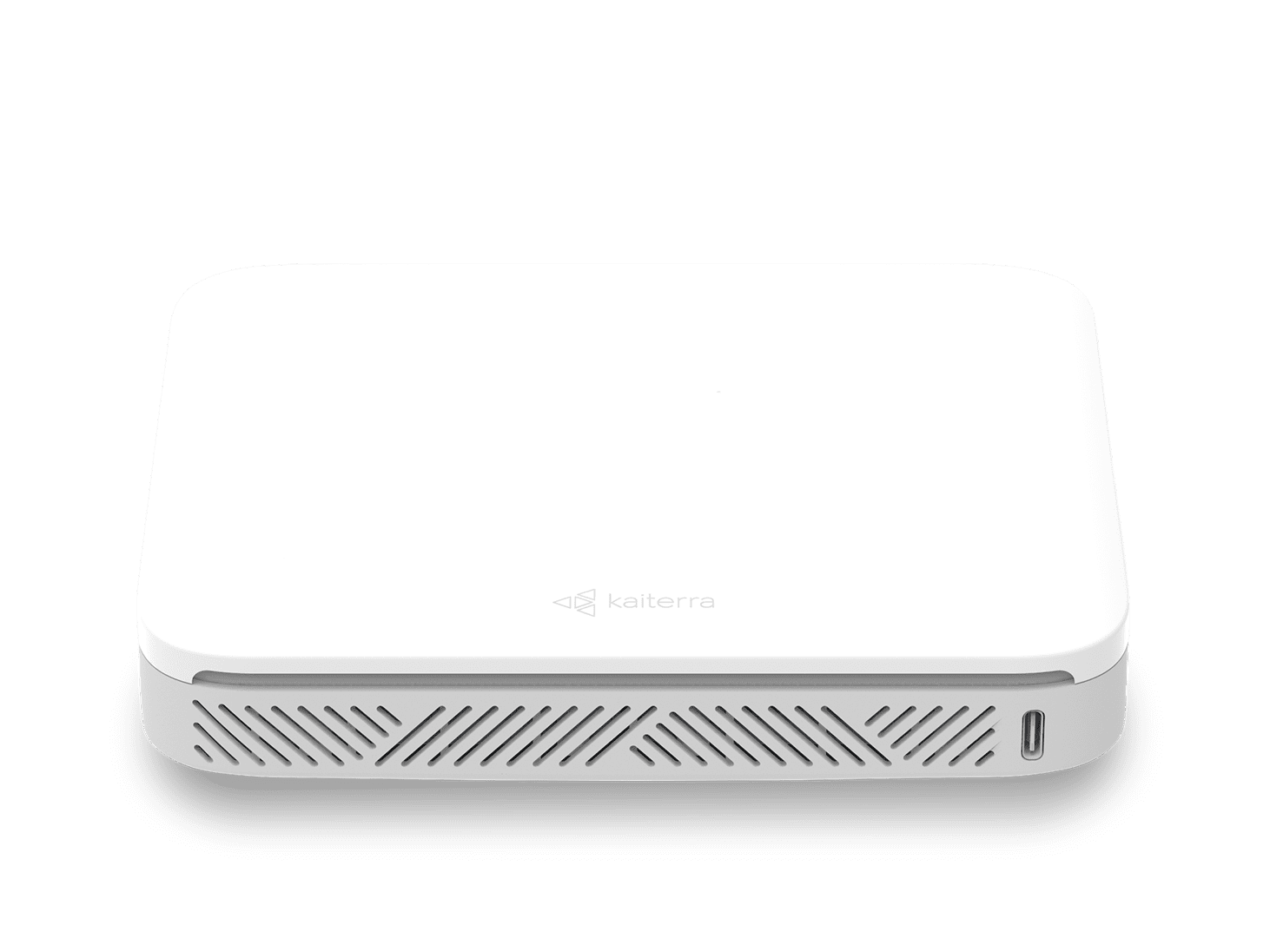
One Cat5e/6 cable can carry both power and data over standard PoE, or connect directly to a 12–30 V DC low-voltage circuit like any BMS field device.

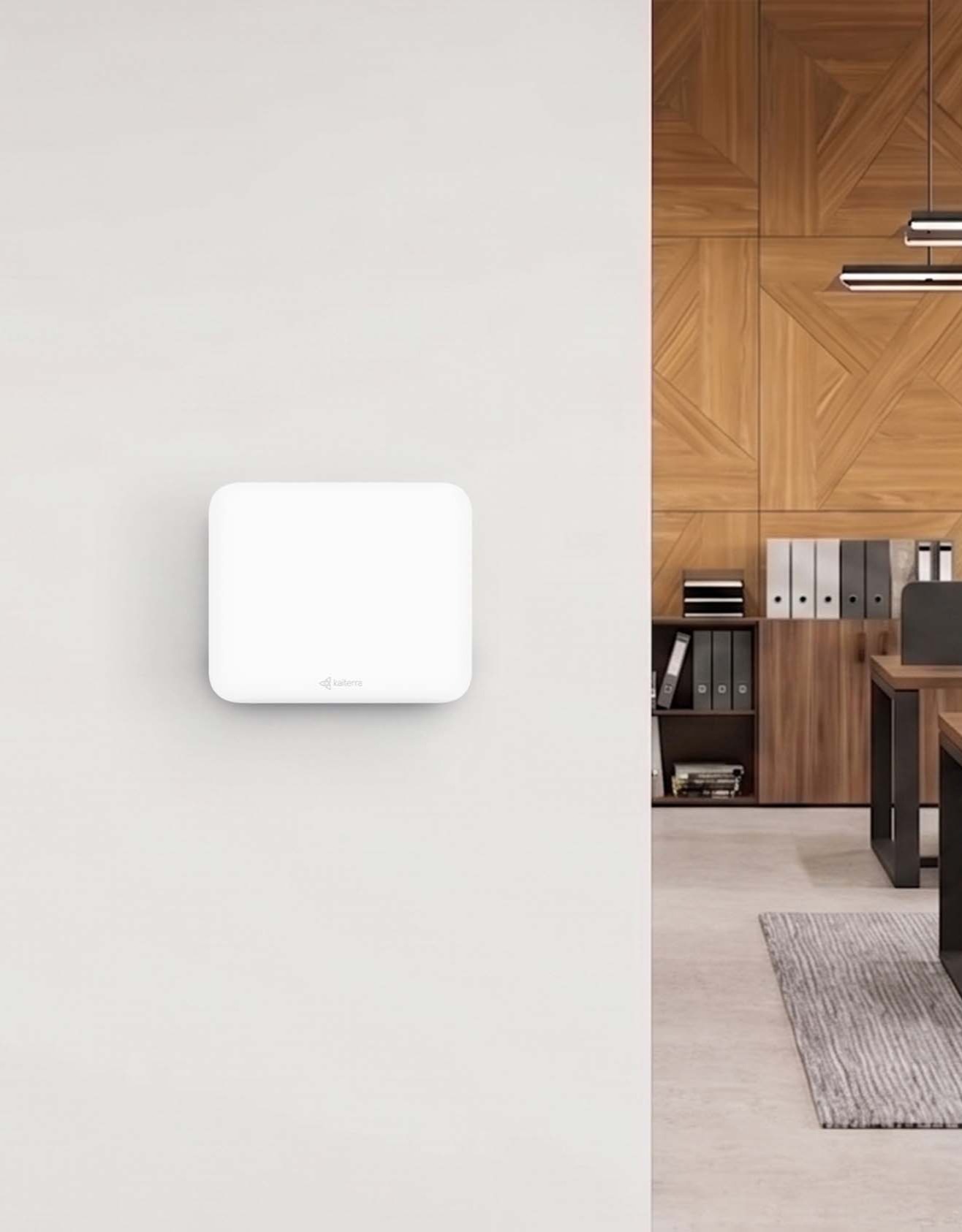
Flush-mount it on a standard electrical box, so there’s nothing hanging off the wall.

A solution for every type of project-Mini

Ethernet-first for stable connectivity.

Run data over standard Ethernet at up to 100 Mbps. No Wi-Fi onboarding, no gateway, no dead zones behind a plant-room wall. Wi-Fi is there as a backup when wiring isn’t practical.

Readings are pushed every minute, stable and frequent enough to run your your control logic.

Product Features-3

Cloud analytics. Native BMS. One monitor.

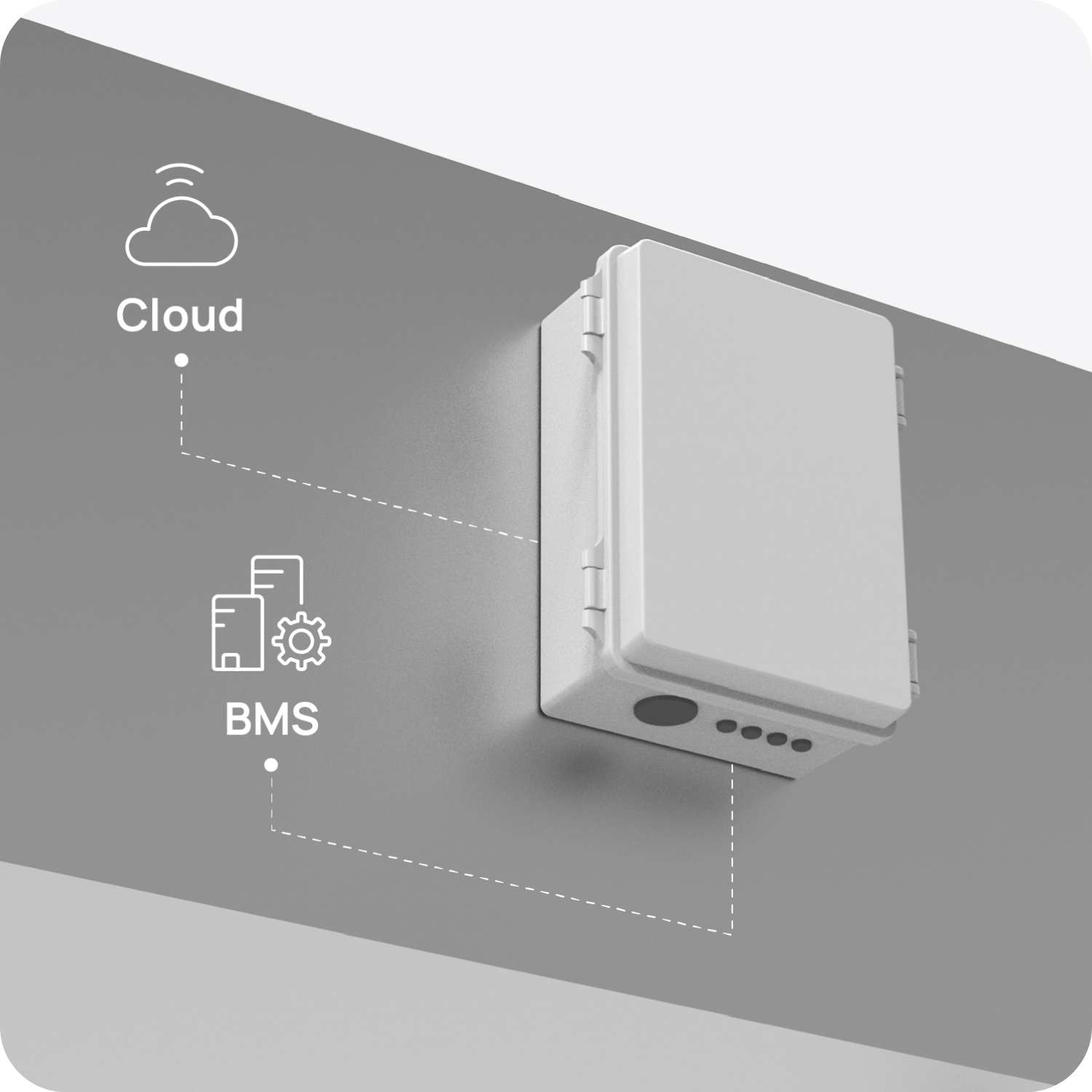
Kaiterra monitors support BACnet/IP and Modbus over RS-485, with BTL certification for native BMS integration.

The workplace team gets cloud-based analytics and insights. The BMS integrator gets a native device - no gateway, no middleware, no translation layer.

BACnet Documentation Air Quality Pillar-why measure with Kaiterra-Accurate and calibrated-4

Install now. Measure more later.

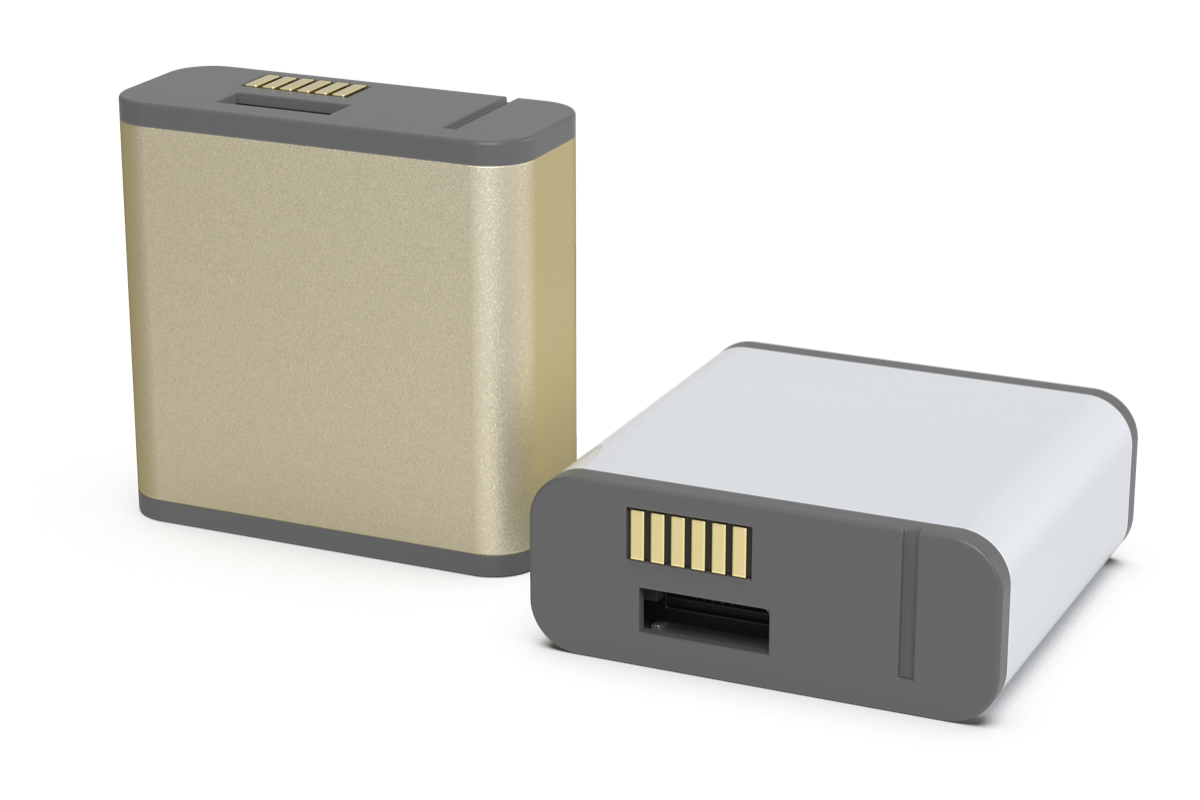
Kaiterra monitors feature a modular design that lets you add sensors later easily, without touching the wiring.

Get new monitoring capabilities like inorganic gases, formaldehyde, or sound by adding new modules, while the cabling, BACnet points, and wall all stay exactly where they are.

sensedge-mini-modules
Sensedge Go Render - 6-2-1

Building already occupied?

Skip the cabling - our wireless monitors peel and stick to the wall and run for years on batteries.
Retrofit solutions

FAQ for new construction projects

Should I use wired or wireless air quality monitors in a new building?

Wired, wherever you can. In new construction the cabling cost is marginal, and you get permanent power, Ethernet-stable connectivity, native BMS integration and no batteries to replace for the life of the building. Use wireless for later tenant fit-outs or spaces you can’t cable.

Can air quality monitors be powered over Ethernet (PoE)?

Yes. The Sensedge Mini (PoE) is powered and connected over a single Cat5e/6 cable from a standard IEEE 802.3af or 802.3at switch (Class 3, under 10 W). Midspan and endspan power sourcing are both supported. Alternatively, wire it to a 12–30 V DC low-voltage circuit.

Do Kaiterra monitors integrate directly with a BMS?

Yes, natively. The Sensedge Mini is BTL-certified under the BACnet Smart Sensor (B-SS) device profile, speaks BACnet/IP over Ethernet and Modbus/RTU over RS-485, and can publish to cloud or on-premise MQTT. 

How many IEQ sensors does a new building need?

A common design rule and the WELL v2 requirement is at least one monitor per 325 m² (3,500 ft²) of regularly occupied space, placed at breathing height in representative zones, plus in-duct monitors on air-handling units where you want supply-air data. Kaiterra’s team helps with placement drawings during design.

Do wired monitors support WELL, LEED, RESET or Fitwel?

Yes. The Sensedge Mini is RESET Grade B certified and Works with WELL; the Kaiterra platform produces the continuous-monitoring reports those certifications require. 

Spec it once. Measure for decades.