Get in Touch

Indoor air quality monitoring for commercial buildings

Measure the pollutants that shape health, well-being, and productivity, continuously and accurately, mapped to the certification standards you're targeting. One platform for indoor, outdoor, and in-duct air quality.
Kaiterra AI - Air Quality Pillar 900x670— 3

Trusted by companies measuring air quality at scale

1-Logo-Google
2-Logo-Meta
3-Logo-Apple
4-Logo-Microsoft
5-Logo-Linkedin
6-Logo-Salesforce
7-Logo-Deloitte
8-Logo-accenture
9-Logo-Okta
10-Logo-JPM
11-Logo-JLL
12-Logo-SFO
13-Logo-GSA
14-Logo-Gensler
15-Logo-SOM
16-Logo-ARUP

What is indoor air quality monitoring?

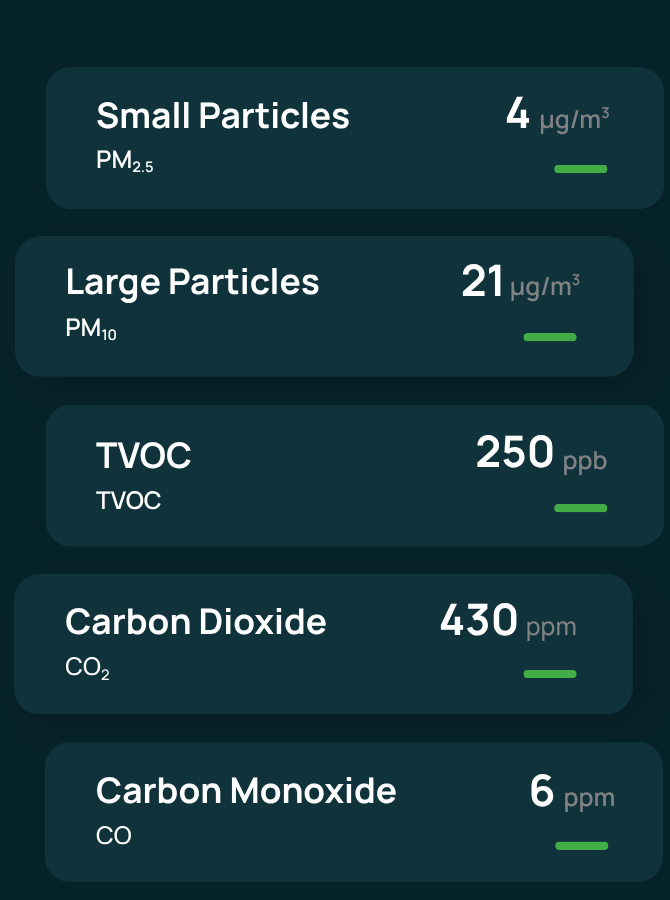
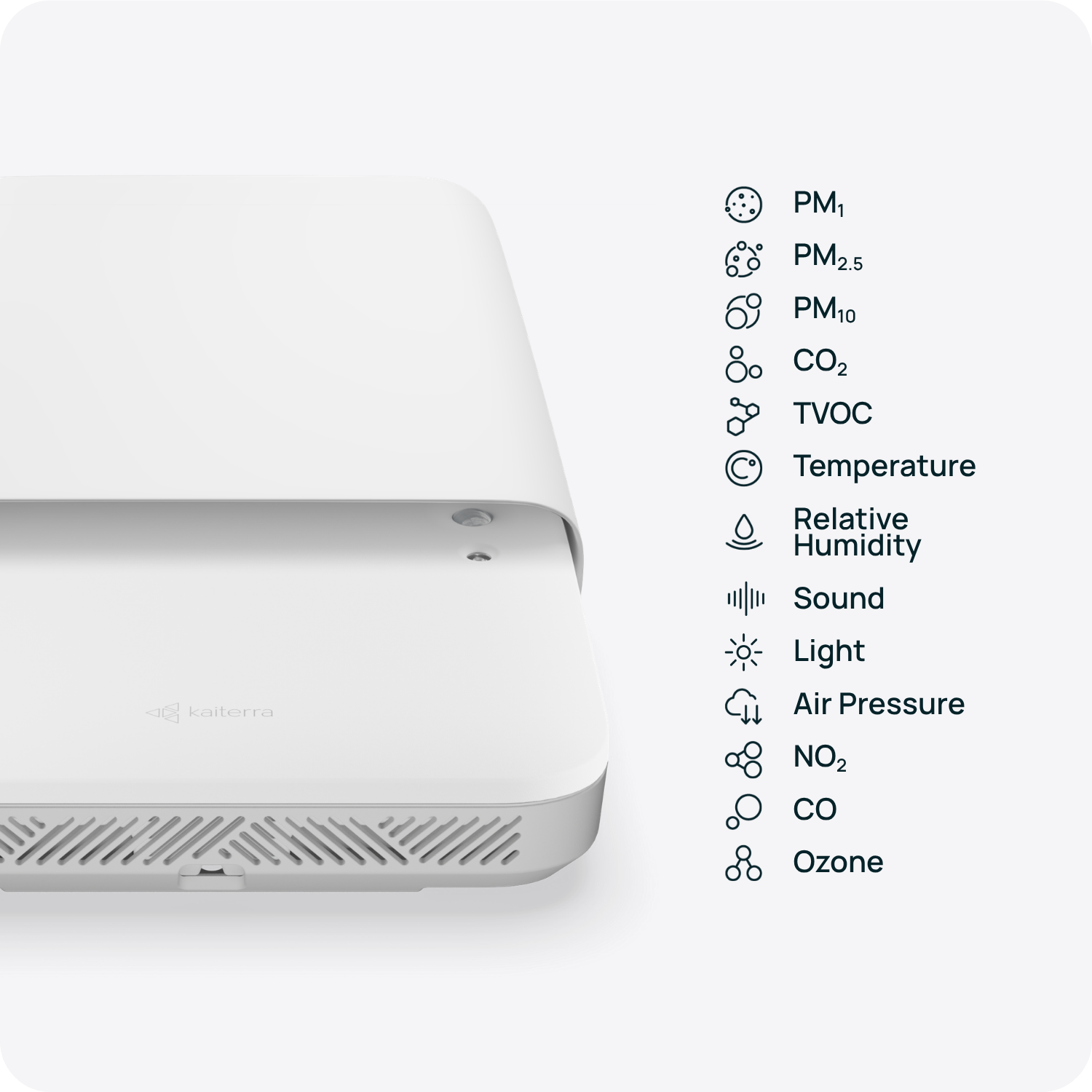
Indoor air quality monitoring is the continuous measurement of the pollutants inside a building: particulate matter (PM2.5 and PM10), carbon dioxide (CO₂), volatile organic compounds (TVOC), and inorganic gases like nitrogen dioxide, carbon monoxide, and ozone. Most are invisible without sensors, which is why workplace, facilities, and sustainability teams rely on continuous monitoring to track occupant exposure and demonstrate compliance with standards like WELL and LEED.

why leading companies are prioritizing air

Air quality impacts your company's most valuable asset: its people

+0
cognitive performance with better ventilation
Allen, J. G. et al, Associations of Cognitive Function Scores with CO2, Ventilation, and VOC Exposures in Office Workers
+0
attributable risk of sick leave from insufficient outdoor air supply
Milton, D. K. et al, Risk of Sick Leave Associated with Outdoor Air Supply Rate, Humidification, and Occupant Complaints
-0
code output on days with high PM2.5
Holub et al, Air Quality, High-Skilled Worker Productivity and Adaptation: Evidence from Github
what it measures

The pollutants that shape your building's air quality

particulates
PM1

Ultrafine particles can penetrate deep into the lungs, posing significant health risks, especially for those with respiratory conditions.

More on ultrafine particles
particulates
PM2.5

Tiny airborne particles that are small enough to enter the bloodstream, linked to heart disease, stroke, asthma, and other respiratory conditions.

More on PM2.5 vs. PM10
particulates
PM10

Coarser particles that can irritate the eyes, nose, and throat, and aggravate conditions like asthma, bronchitis, and COPD.

More on PM10
organic gases
VOCs

Volatile organic compounds, emitted from everyday products, can cause eye, nose, and throat irritation, as well as headaches, dizziness, and nausea.

More on TVOC vs. VOCs
inorganic gases
Carbon dioxide (CO₂)

Rises as people breathe in enclosed rooms. High levels can indicate poor ventilation and lead to drowsiness, headaches, and decreased cognitive performance.

More on CO2
inorganic gases
Nitrogen dioxide (NO₂)

A harmful byproduct of combustion, often from vehicles and gas stoves, that irritates the respiratory system and can worsen asthma and other lung conditions.

More on NO2
inorganic gases
Carbon monoxide (CO)

A colorless, odorless gas that can be deadly in high concentrations, often resulting from faulty combustion appliances. Even low-level exposure can cause headaches, dizziness, and confusion.

More on CO
inorganic gases
Ozone (O₃)

A reactive gas formed outdoors that can infiltrate buildings and trigger respiratory problems, including asthma attacks and reduced lung function, especially during outdoor smog episodes.

More on ozone

Measure air quality everywhere it matters

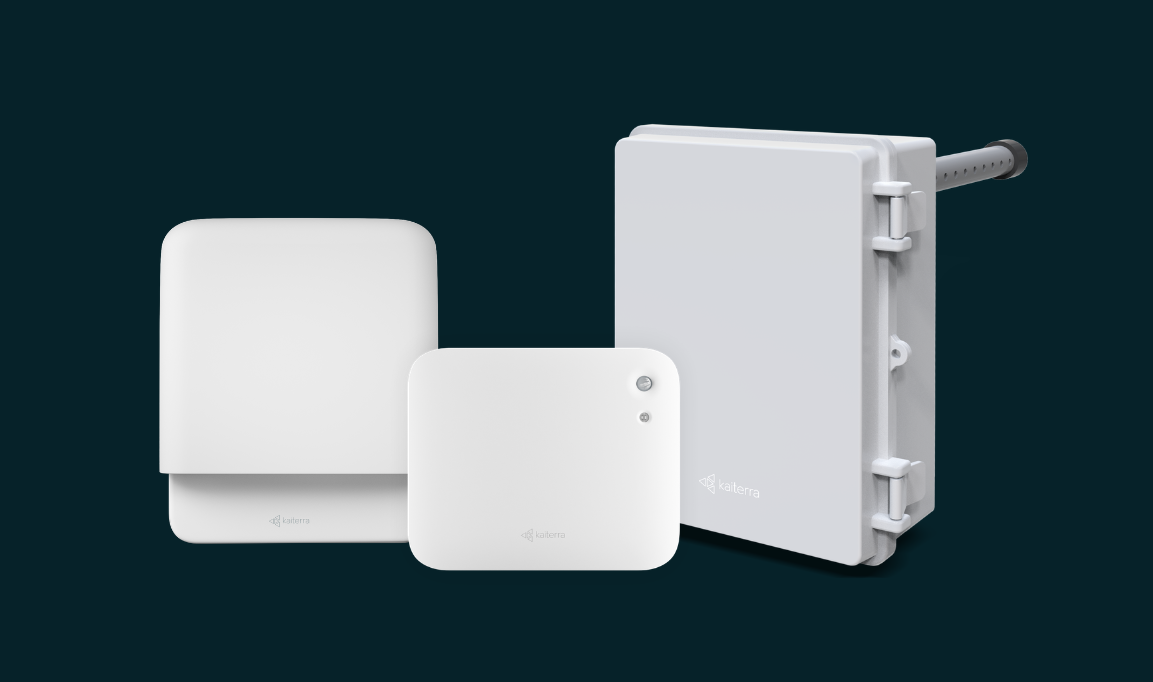
Indoor air is shaped by what comes in from outside, what your HVAC delivers, and what happens inside your occupied spaces. Kaiterra measures all three layers on one platform, giving you one complete picture of air quality throughout your building.

Air Quality Pillar-where to measure-11-A Air Quality Pillar-where to measure-3 Air Quality Pillar-where to measure-3- C

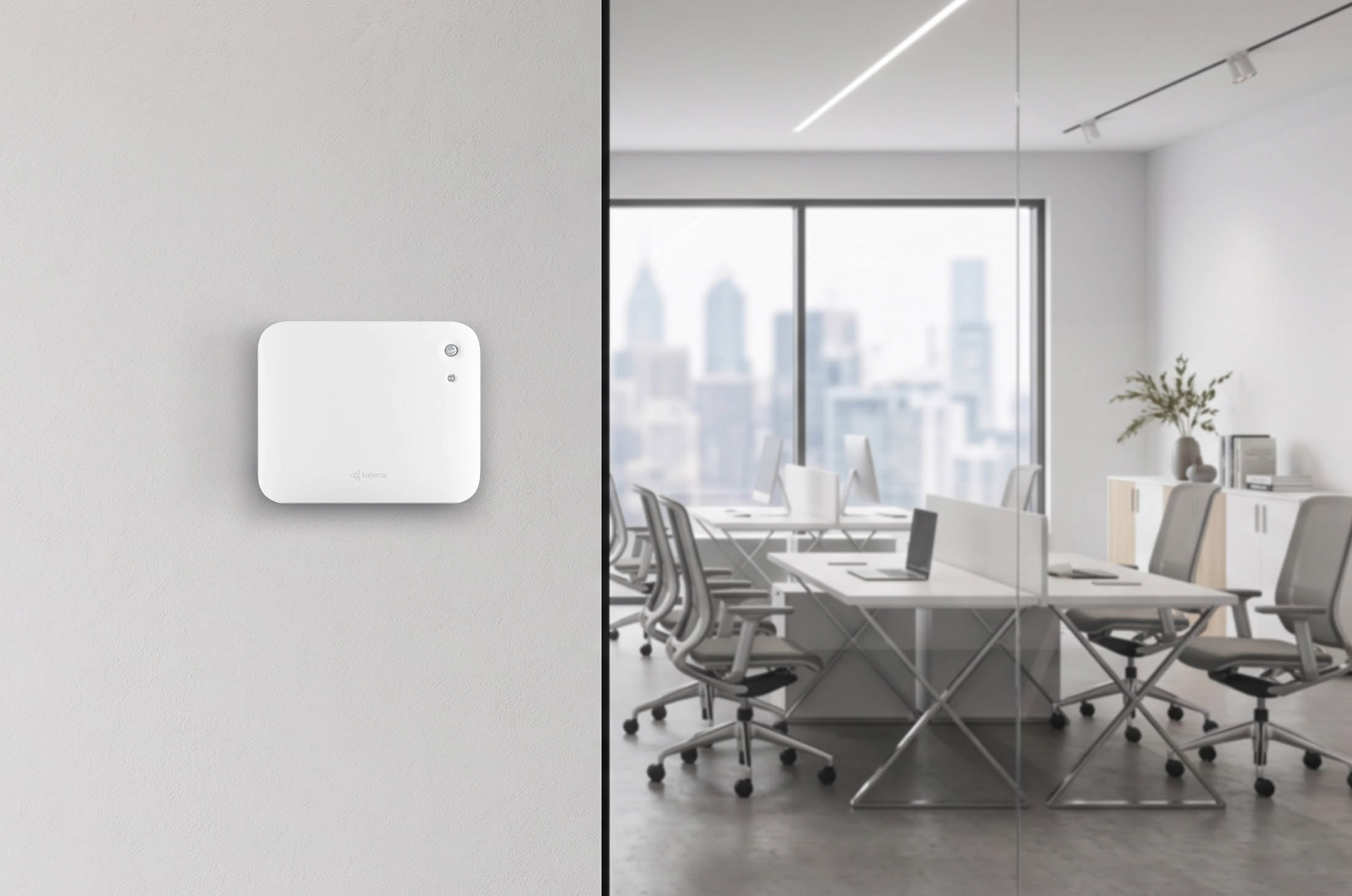
Indoor: the occupied space

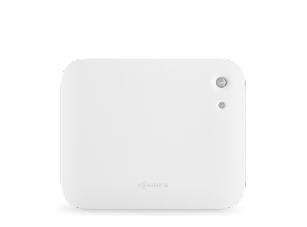
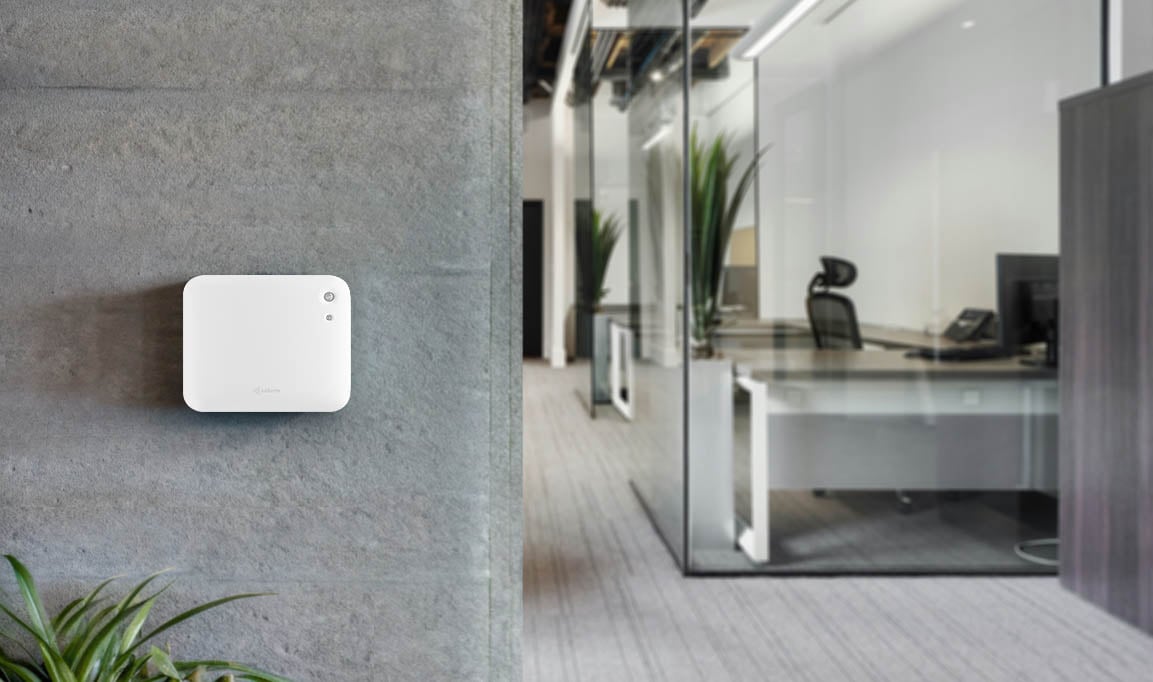
Measure the air your occupants are breathing, as well as the impact they have on air quality, and benchmark those readings against thresholds from WELL, LEED, RESET, and other certifications. This is where most projects begin.

Sensedge Go Air Quality Pillar-where to measure-11-A

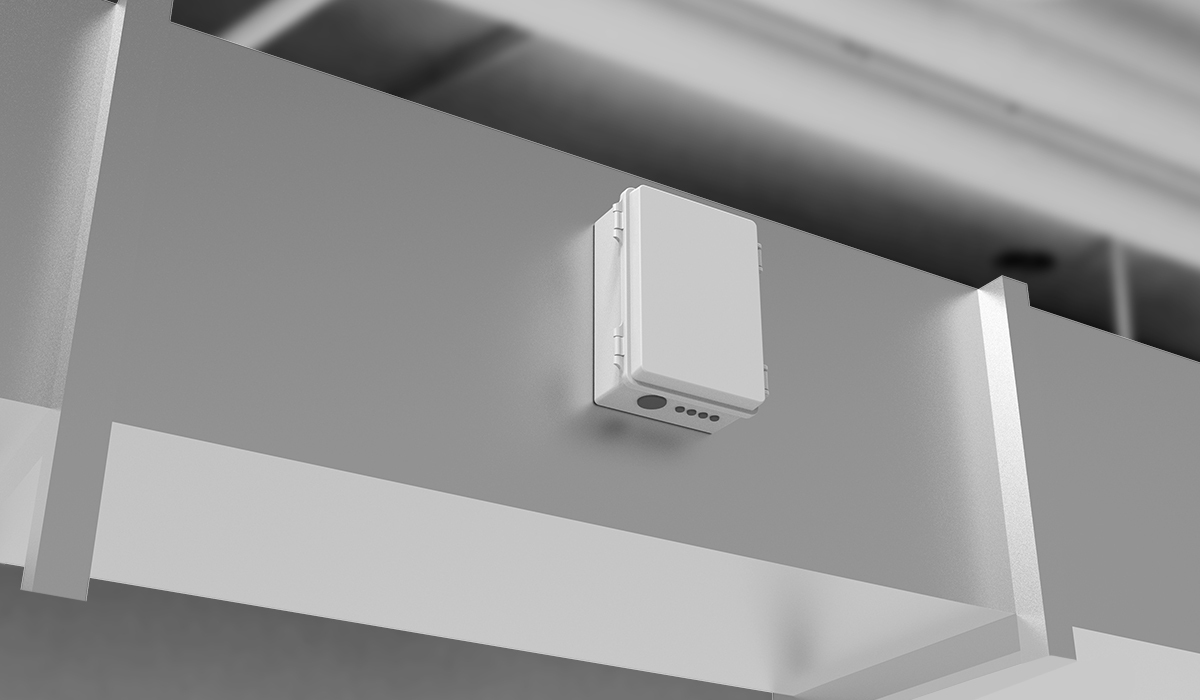
In-duct: the air you deliver

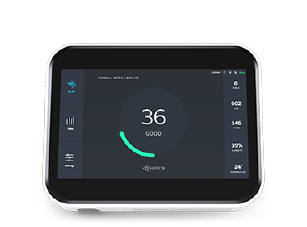
Monitor air quality inside your ductwork to verify the air quality your HVAC is distributing, before and after it reaches occupants, so you can catch and fix filtration or ventilation problems at the source.

Sensedge Duct Air Quality Pillar-where to measure-3

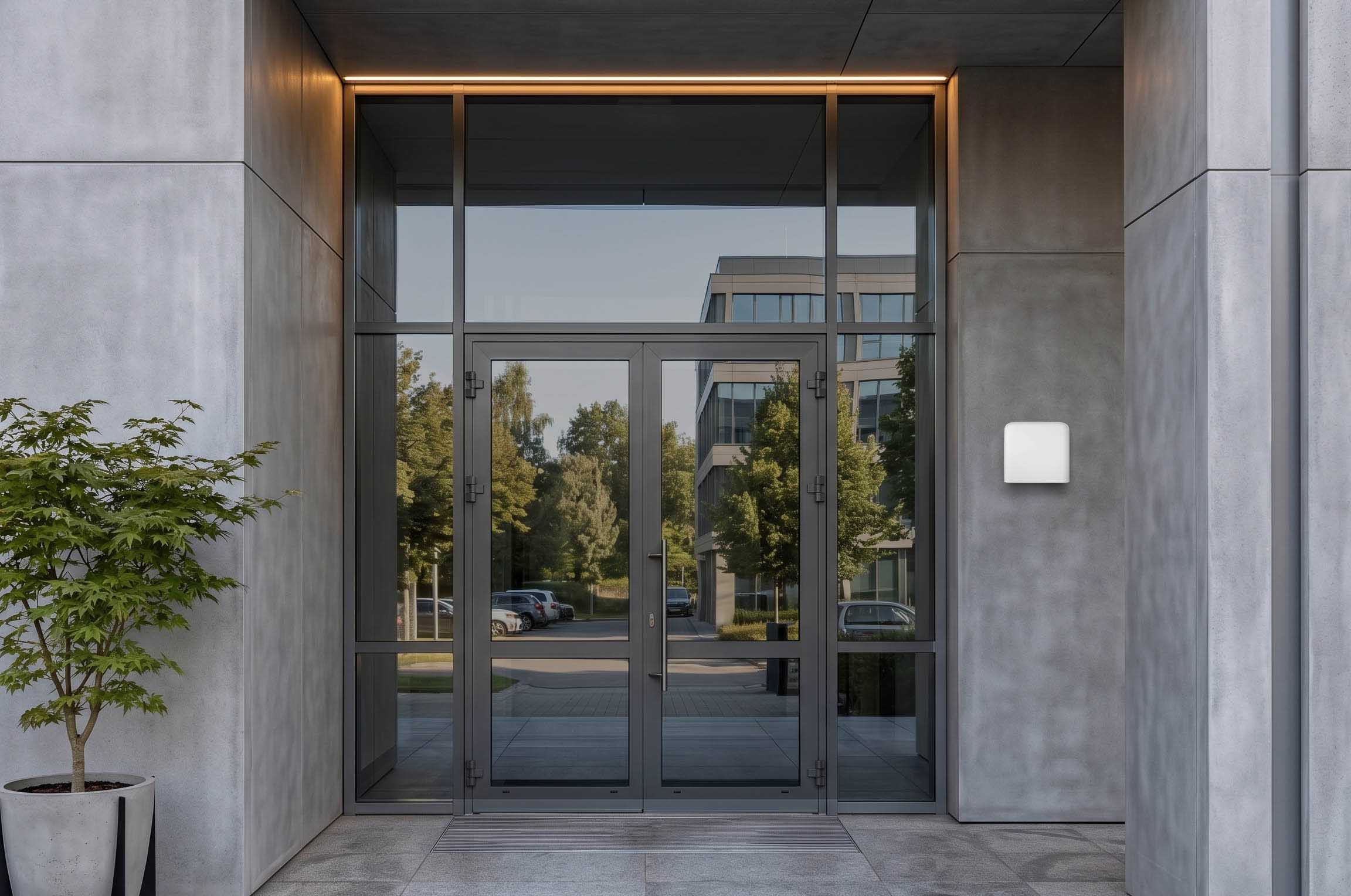
Outdoor: the reference point

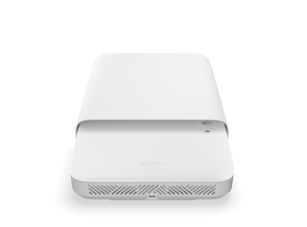
Outdoor monitoring shows what's infiltrating the building, so you can separate an occupant-driven issue, like elevated CO2 from a packed conference room, from a bad-air day outside, like wildfire smoke or high ozone.

Sensedge Go for Outdoors Air Quality Pillar-where to measure-3- C
Air Quality Pillar-The Three Types of Commercial Air Quality Monitors- 3

Not sure what's right for you?

Choosing an air quality monitor can be complicated, and relying on specs alone is the most common (and most expensive) mistake an IAQ project can make. Let us help you.
Read our IAQ monitor guide
Where to measure

Measure air quality wherever it matters

Indoor air is shaped by what comes in from outside and what your HVAC delivers. Kaiterra measures all three layers on one platform, so the readings line up.

Air Quality Pillar-where to measure-11-A
Indoor
The occupied space

The air occupants actually breathe — the readings WELL and RESET score against.

See Sensedge Go
Air Quality Pillar-where to measure-3
In-duct
The air you deliver

Verifies the air quality your HVAC distributes, at the source.

See Sensedge Duct
Air Quality Pillar-where to measure-3- C
Outdoor
The reference point

Shows what is infiltrating the building from outside.

See Sensedge Go for Outdoors
where to measure

Measure air quality wherever it matters

Measuring air quality in the spaces people occupy is important, but indoor air is shaped by what comes in from outside and what your HVAC delivers, so a complete picture needs all three.


Kaiterra measures each with the same platform and data model, so the readings line up instead of living in three disconnected tools. Here's what each layer tells you, and the monitors for it.

Air Quality Pillar-where to measure-11-A
Indoor

The occupied space

Measure the air occupants actually breathe, and the readings WELL and RESET are scored against. This is where most projects start.

See Sensedge Go
Air Quality Pillar-where to measure-3
In-duct

The air you deliver

In-duct monitoring verifies the air quality your HVAC distributes. Great for owners tuning filtration and ventilation at the source, before it ever reaches the tenants.

See Sensedge Duct
Air Quality Pillar-where to measure-3- C
Outdoor

The reference point

Outdoor monitoring shows what's infiltrating the building, so you can tell an occupant-driven issue from a bad-air day outside, and fix issues quickly.

See Sensedge Go for Outdoors
Not sure how to choose an air quality monitor?

Choosing an air quality monitor can be complicated, and relying on specs alone is the most common - and most expensive - mistake IAQ projects make. 

See IAQ Monitor Guide
why measure air with Kaiterra

Built with science, proven at enterprise scale

Every air quality sensor drifts and stops being accurate over time - that's physics. Most manufacturers make you ship the monitor back to recalibrate, or replace it entirely.

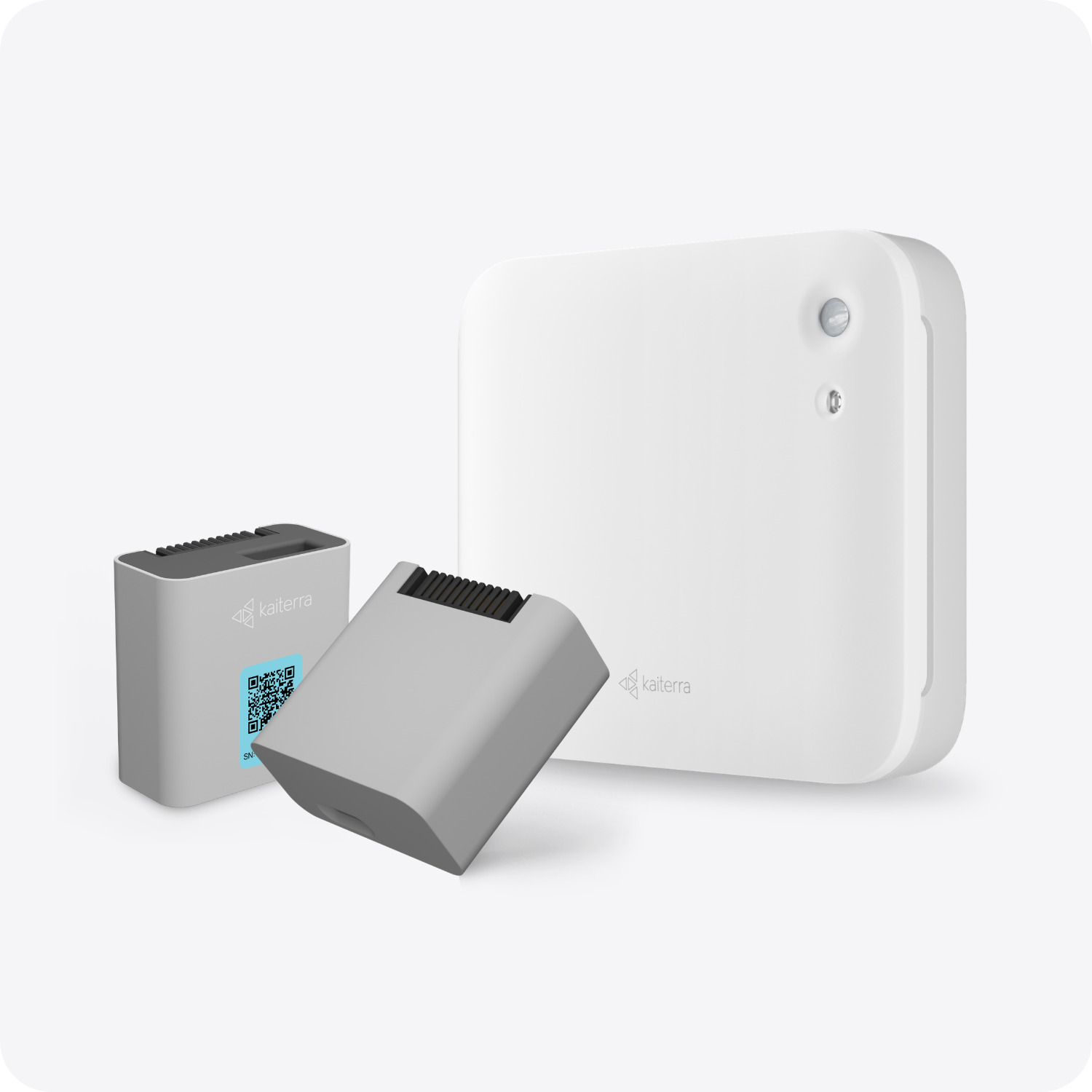
Kaiterra monitors are modular by design. Sensor modules swap out in seconds, on site, by anyone on your facilities team, so your data never stops and your readings stay accurate.

Air Quality Pillar-Accurate and calibrated-1

Kaiterra's modular design allows you to easily add or remove air quality parameters by swapping sensors on the monitor, so you can meet evolving building requirements and stay compliant with future legislation, no new monitor required.

Air Quality Pillar-why measure with Kaiterra-Accurate and calibrated- 3-1500x1500

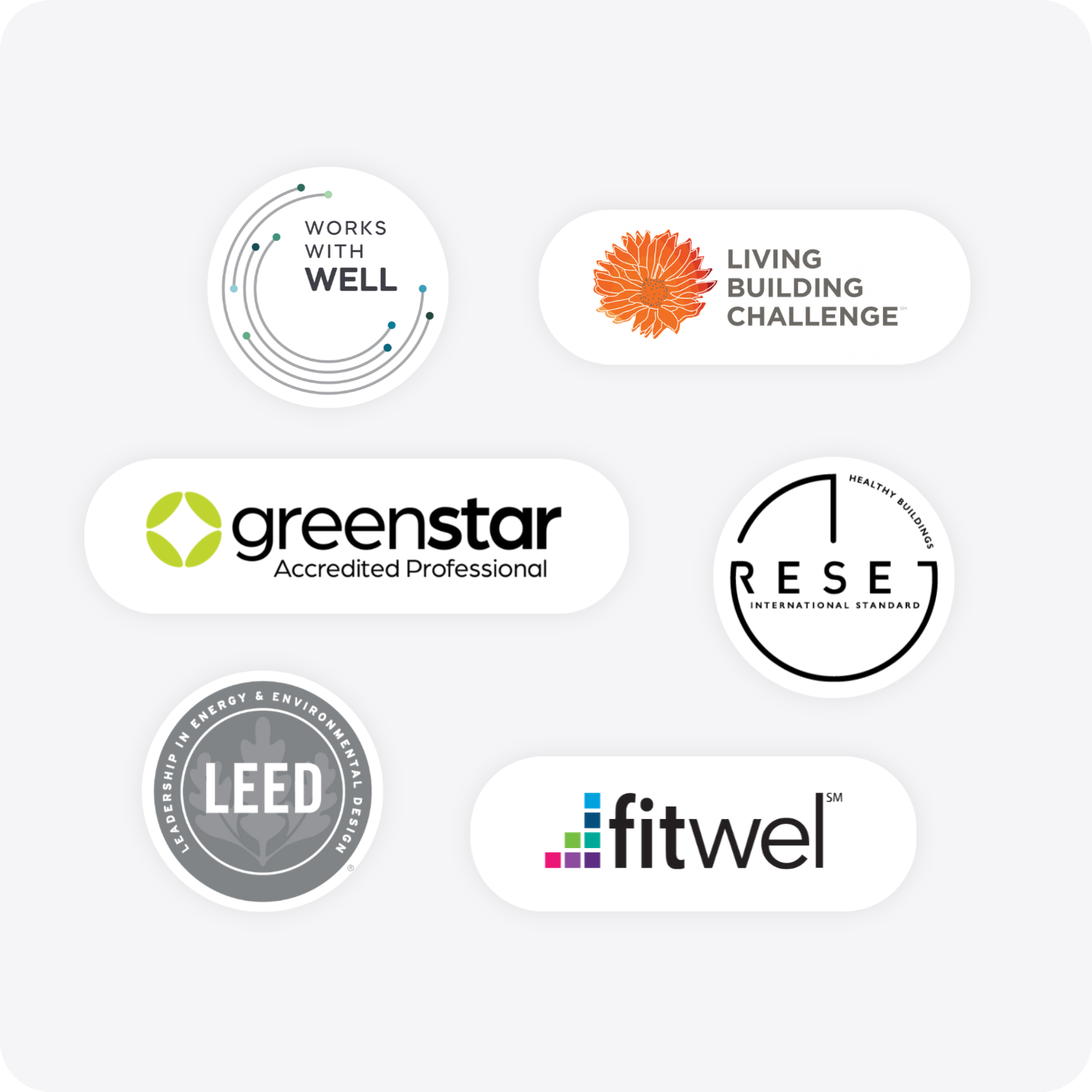
RESET Grade B certified and part of the Works with WELL catalog, Kaiterra monitors align with all of the major certification requirements on the market today.

The Sensedge Go is designed specifically for WELL certification, covering all of the required air quality parameters and contributing up to 3 preconditions and 9 optimization points.

Air Quality Pillar-why measure with Kaiterra-Accurate and calibrated- 2-A

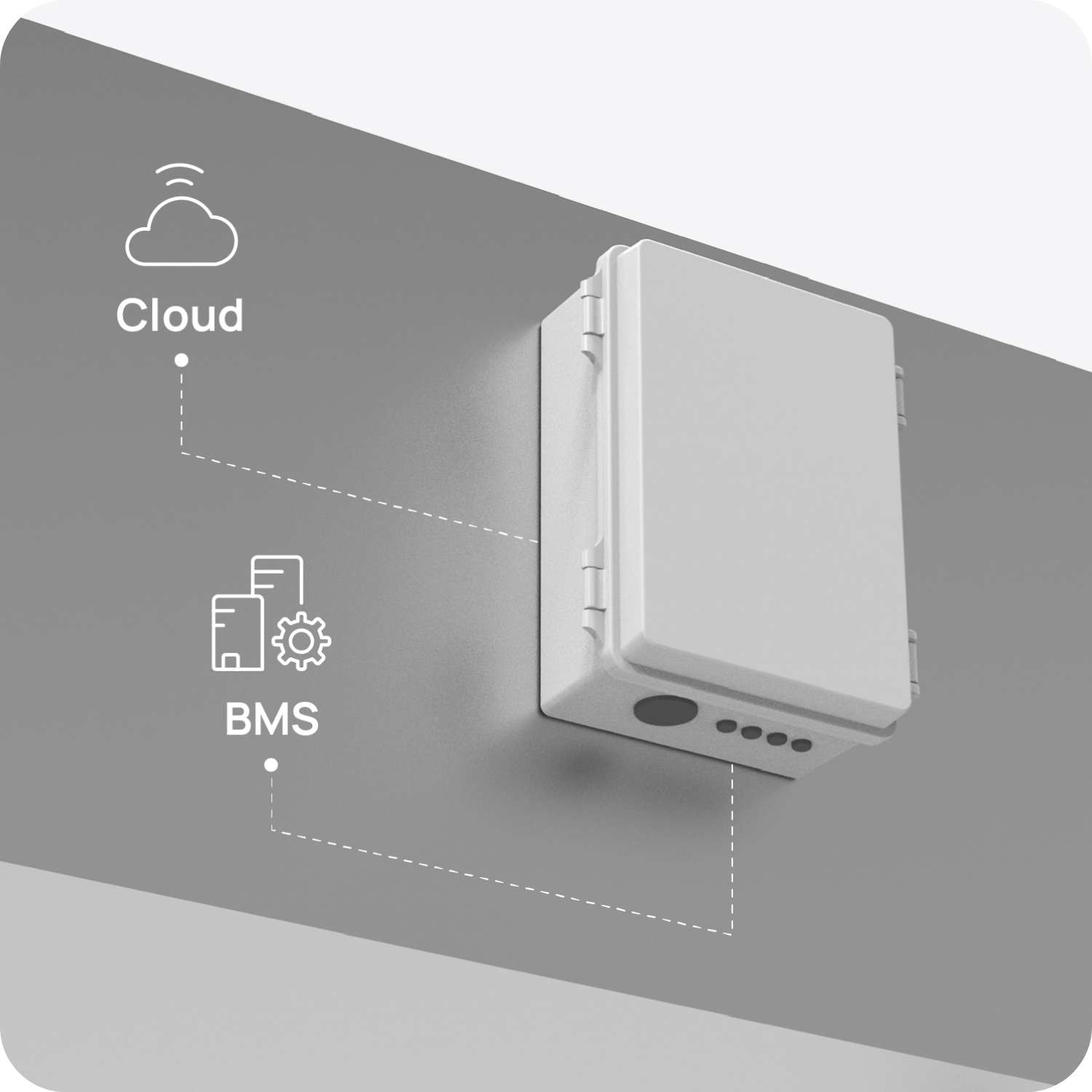
You don't have to choose between the cloud and your BMS. Kaiterra provides the only air quality monitors on the market that are BTL-certified, making BMS integration over BACnet/IP, Modbus RTU, Open API, and MQTT seamless and reliable.

Air Quality Pillar-why measure with Kaiterra-Accurate and calibrated-4

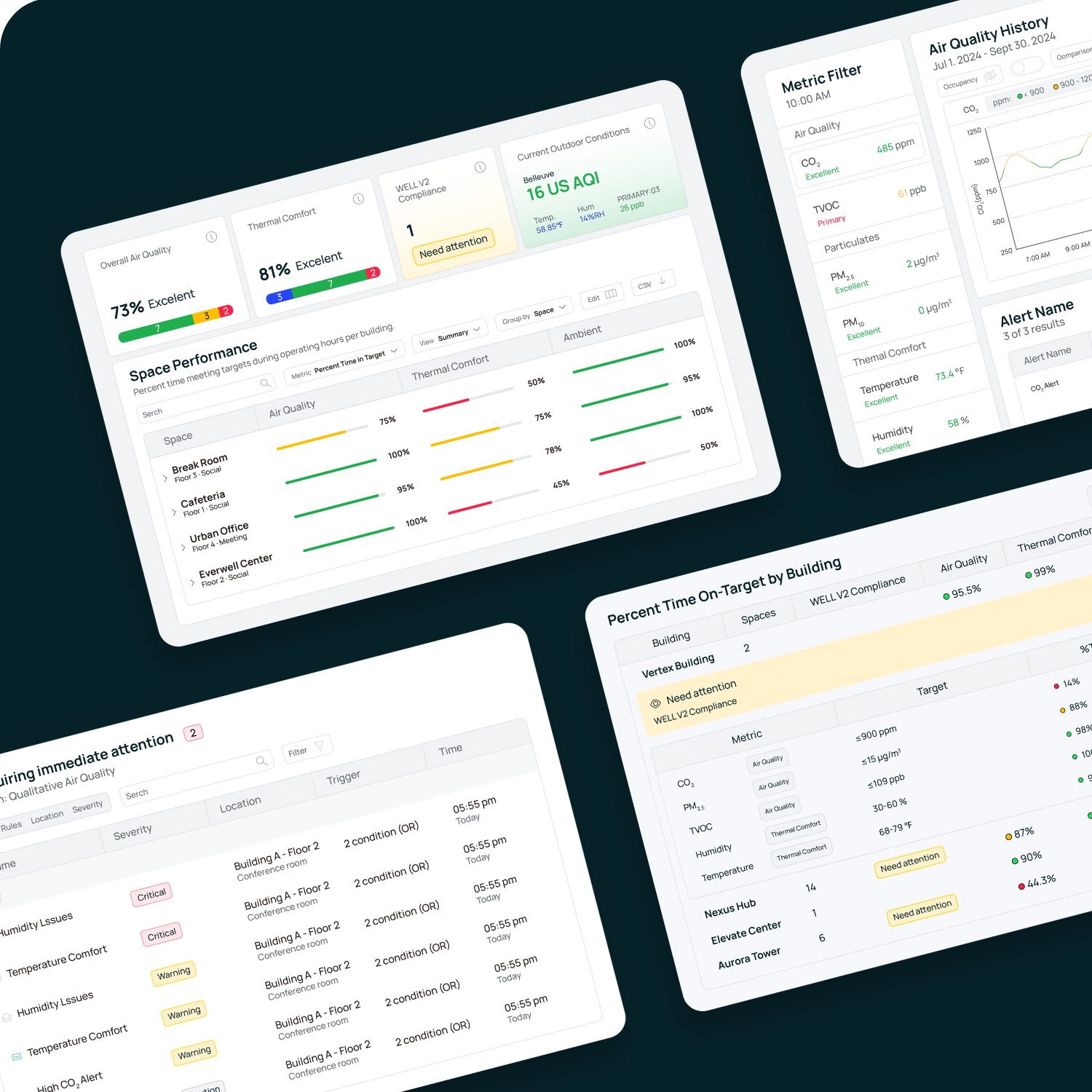
Kaiterra provides a powerful data platform that transforms raw air quality data into contextual insights that help you manage, improve, and automate your indoor environment across your entire portfolio.

You can also use Kaiterra AI to talk to your building directly. Ask a simple question to investigate, troubleshoot, and report on anything happening in your building in seconds.

Deep analytics, not just raw numbers- C
Air Quality Pillar-Accurate and calibrated-1 Air Quality Pillar-why measure with Kaiterra-Accurate and calibrated- 3-1500x1500 Air Quality Pillar-why measure with Kaiterra-Accurate and calibrated- 2-A Air Quality Pillar-why measure with Kaiterra-Accurate and calibrated-4 Deep analytics, not just raw numbers- C
why measure air quality with Kaiterra

A monitoring platform, not a gadget on the wall

Getting an air quality monitor on the wall is just the first step. Getting data you can trust for years, integrate with your building, and defend in a certification audit — that's the difference between an off-the-shelf sensor and the Kaiterra platform.

Accurate and calibrated Featuring Kaiterra’s unique modular design, sensor modules of Kaiterra monitor can be swapped in seconds. This is a much more cost-effective way to keep your device accurate in the long run, without conducting the traditional calibration process.
Flexible and future-proof The modular design allows you to add or remove parameters easily, to stay compliant with evolving building needs and future legislative requirements.
Certification ready RESET Grade B certified and part of the Works with WELL catalog - Kaiterra monitors align with all of the major certification requirements in market today.
Works locally and over the cloud You don't have to choose between the cloud and your BMS. Kaiterra provides the only air quality monitors that are BTL-certified - so BMS integration over BACnet/IP, Modbus RTU, Open API, and MQTT actually holds up.

Frequently asked questions

What parameters should a commercial air quality monitor measure?
At a minimum, the vital signs of your building: PM2.5, CO₂, TVOC, temperature, and humidity (the five that RESET Air requires). Buildings pursuing certifications often add PM10, PM1, NO₂, CO, and ozone. Kaiterra monitors measure up to 15 parameters depending on the model.
What is a good indoor air quality level?
It depends on the parameter. For example, CO₂ below ~800 ppm and PM2.5 below ~15 µg/m³ are widely considered to be good. See WELL v2, LEED v5, and RESET Air certifications for commonly referenced air quality thresholds.
Why is indoor air often worse than outdoor air?

Indoor air can be several times more polluted than the air outside because enclosed spaces trap CO₂ from occupants, VOCs from materials, and PM2.5 from everyday activity, all while outdoor pollutants continue leaking in.

How many air quality monitors do I need?
It depends on your project, but Kaiterra's commercial monitors have a recommended coverage area of about 3,500 ft² (325 m²), calculated space by space: one monitor per open 3,500 ft² area, and one in each regularly occupied room. This is in line with the requirements for WELL certification. Read more about coverage area, density, and placement guidelines for IAQ monitors.
How is air quality monitoring different from air quality testing?
Testing is a one-time snapshot: a technician visits, samples the air over a day or two, and reports what they found on that visit. Monitoring is continuous: fixed sensors measure the same parameters around the clock and stream the data, so you catch problems as they happen and can prove performance over time, not just on testing day. Read more about the pros and cons of air quality monitoring and spot testing.

Get a headstart on your IAQ journey now.